Politics
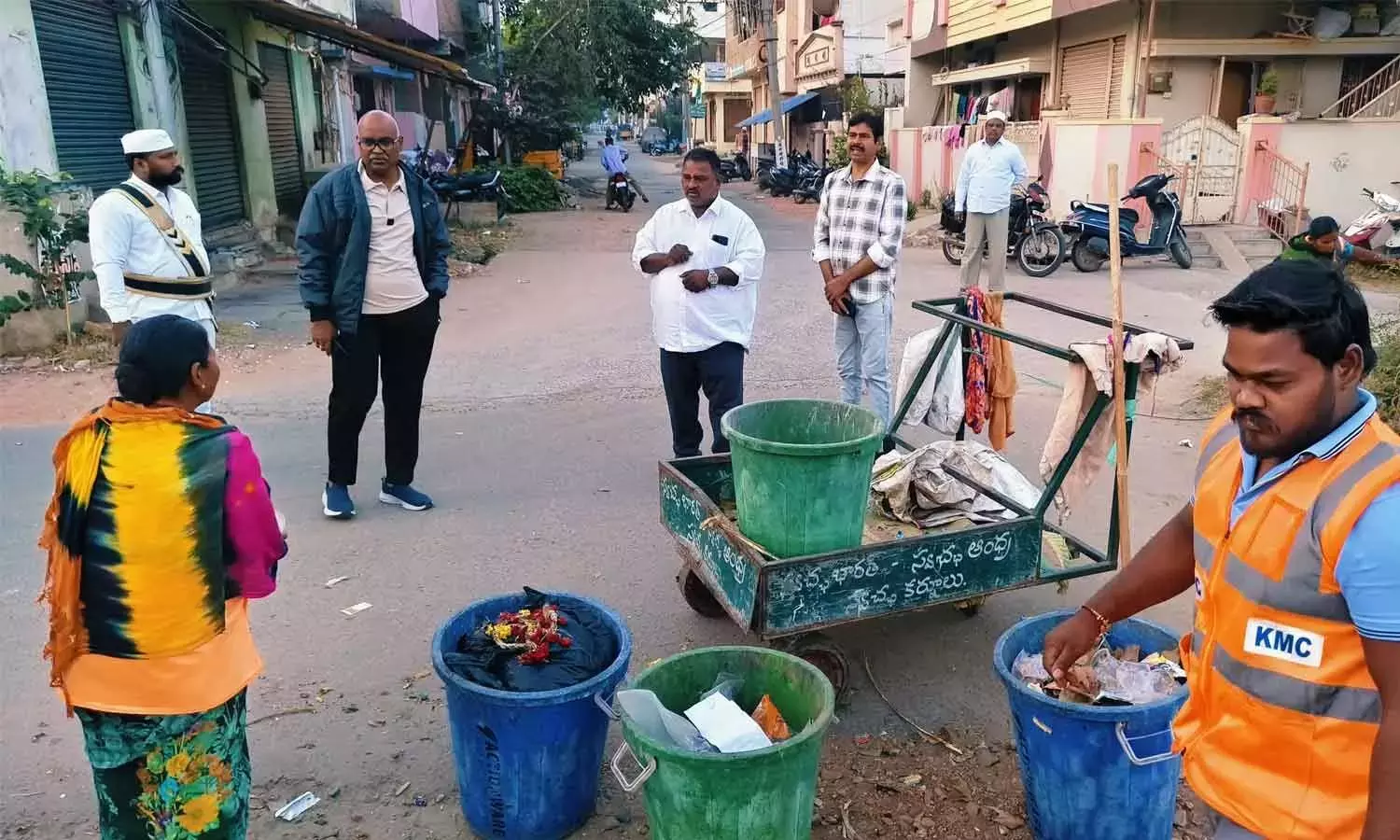
स्वच्छता कार्य में लापरवाही पर कड़ी कार्रवाई होगी: केएमसी आयुक्त
November 19, 2026
2,481 views

A significant political controversy has arisen in Delhi following the Election Commission’s Special Intensive Revision (SIR) of electoral rolls, with Congress leader Rahul Gandhi taking a stand on the matter. His visit to Bela Estate, a community located along the banks of the Yamuna River, has shed light on an alarming situation concerning voter deletions. During his visit, Gandhi raised serious questions regarding the alarming statistic where, out of 728 voters, only one remained on the draft electoral roll after the SIR exercise. This has sparked outrage among residents and political observers alike.
As the Election Commission undertakes its Special Intensive Revision, the process is intended to ensure an accurate and updated electoral roll. However, it appears that in Bela Estate, a significant number of voters have faced disenfranchisement. Gandhi claimed that 727 names were removed from the electoral roll, prompting him to question the rationale behind such mass deletions. According to the Delhi election officials, the deletions were justified on the grounds that many homes in the area had been demolished, leading to the exclusion of these voters from the electoral list.
During his visit, Rahul Gandhi took the time to engage with the local residents of Bela Estate, listening to their concerns and experiences. Many residents expressed their frustrations, stating that they had lived in the area for decades and had previously exercised their right to vote. Their testimonies paint a picture of a community long-established, now facing uncertainty and disenfranchisement due to administrative decisions. The residents argued that the deletions were not only unjust but also a systematic attempt to undermine their political voice.
The issue of voter deletions in Bela Estate has transcended the immediate local context to become a focal point in the larger political debate surrounding the SIR in Delhi. Political parties are leveraging this situation to highlight perceived flaws in the electoral process. While the ruling party may defend the deletions as necessary for maintaining an accurate voter list, opposition parties, led by figures like Rahul Gandhi, are framing this as a blatant attempt to suppress voter participation.
As the situation unfolds, the focus will remain on the actions taken by the Election Commission and the Delhi government in response to these allegations. It is crucial for electoral bodies to engage with communities proactively, ensuring that all eligible voters can participate in the democratic process. The claims and objections period will be a critical time for residents of Bela Estate to assert their rights, and it will be essential for local leaders to support them in navigating this process.


Loading more news...
You've reached the end of our news feed. Check back later for more updates!