Science
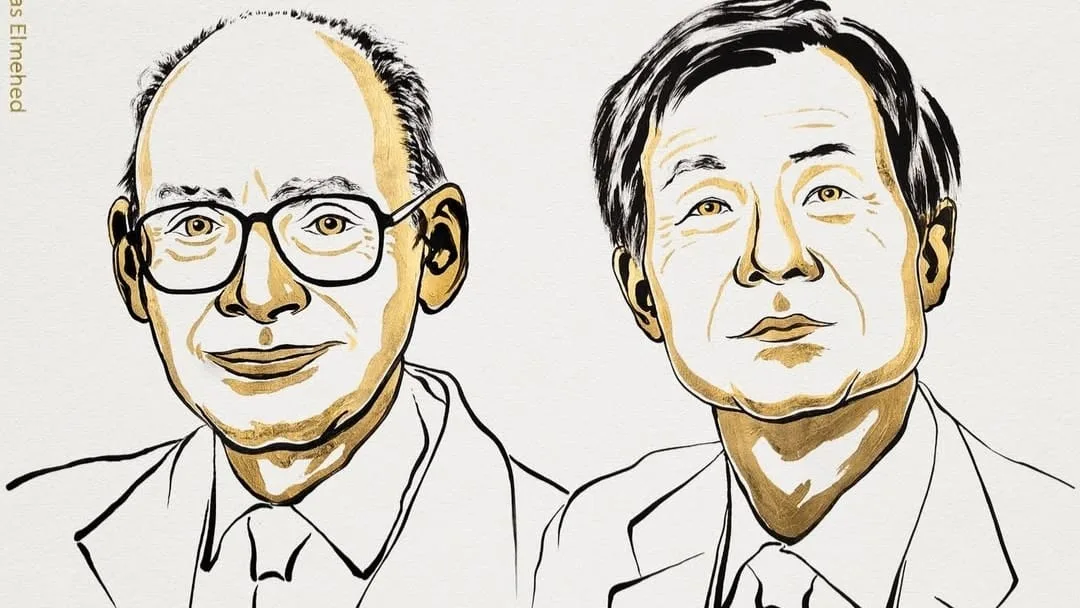
Henri Kagan wins Nobel Prize at 95: Check out his contributions to chemistry and pharmacy
October 9, 2026
2,834 views

India stands at a remarkable moment in medical history. Artificial intelligence, precision medicine, robotic surgery, organ transplantation, and newer therapies are transforming healthcare. Yet, millions of people continue to suffer from diseases that are largely preventable. Scientific progress alone cannot improve public health unless people understand how to protect themselves. Health literacy is the ability to access, understand, and apply health information to make informed health decisions. It encompasses a range of skills, from reading prescription labels to interpreting medical advice.
Despite the advancements in medical technology, health literacy remains a significant challenge in India. According to various studies, a large segment of the population lacks the basic understanding of health-related information. This gap in knowledge can lead to poor health outcomes, as individuals may not know how to manage chronic conditions, recognize symptoms of serious illnesses, or navigate the healthcare system effectively.
This lack of health literacy is exacerbated by factors such as educational disparities, socioeconomic status, and cultural beliefs. For instance, individuals from lower socioeconomic backgrounds often face barriers to accessing quality education, resulting in limited understanding of health issues. Furthermore, cultural beliefs can sometimes hinder individuals from seeking medical help or adhering to treatment plans.
Education plays a crucial role in enhancing health literacy. Schools, communities, and healthcare providers need to collaborate to create programs that focus on teaching essential health information. Such initiatives could involve workshops, seminars, and interactive sessions that address common health concerns and promote preventive measures.
Moreover, integrating health education into the school curriculum can equip young individuals with the knowledge they need to make informed decisions about their health. By fostering a culture of health literacy from a young age, India can pave the way for a healthier future.
In the digital age, technology can be leveraged to enhance health literacy. Mobile applications, websites, and social media platforms offer vast opportunities to disseminate health information effectively. For instance, health apps can provide users with tailored information about managing their health conditions, while social media campaigns can raise awareness about preventive measures and healthy lifestyle choices.
Furthermore, telemedicine has emerged as a powerful tool, especially in rural areas where access to healthcare is limited. By connecting patients with healthcare professionals through virtual platforms, individuals can receive timely advice and guidance, thus improving their understanding of health issues.
Community engagement is essential in promoting health literacy. Local organizations and community health workers can serve as vital resources for information dissemination and support. By empowering communities to take charge of their health, India can cultivate a more informed population capable of making better health choices.
Initiatives such as community health fairs, support groups, and outreach programs can provide individuals with the necessary tools to understand their health needs. These programs should also emphasize the importance of preventive care, nutrition, and mental health, helping individuals adopt a holistic approach to their well-being.
The Indian government has a pivotal role in addressing health literacy. Policies aimed at improving education, healthcare access, and public health initiatives are crucial in fostering a well-informed populace. Implementing national health campaigns that focus on common diseases and preventive measures can raise awareness and encourage individuals to take proactive steps towards their health.
Moreover, the government can collaborate with non-governmental organizations (NGOs) to develop and implement health literacy programs tailored to specific communities. By considering cultural nuances and local needs, these programs can be more effective in reaching diverse populations.
As India embraces the future of healthcare with groundbreaking innovations, it is essential not to overlook the importance of health literacy. The advancements in medical science must be accompanied by efforts to educate the public. By prioritizing health literacy, India can empower its citizens to make informed health decisions, ultimately reducing the burden of preventable diseases.
In conclusion, improving health literacy is not merely a matter of providing information; it is about fostering a culture of health awareness and proactive engagement. Through education, technology, community involvement, and government support, India can ensure that its remarkable medical breakthroughs translate into tangible benefits for all its citizens.


Loading more news...
You've reached the end of our news feed. Check back later for more updates!