
Politics
धरना-प्रदर्शनों का नया कारोबार: लोकतंत्र की आड़ में आखिर किसके हित साधे जा रहे हैं?
October 10, 2026
1,612 views
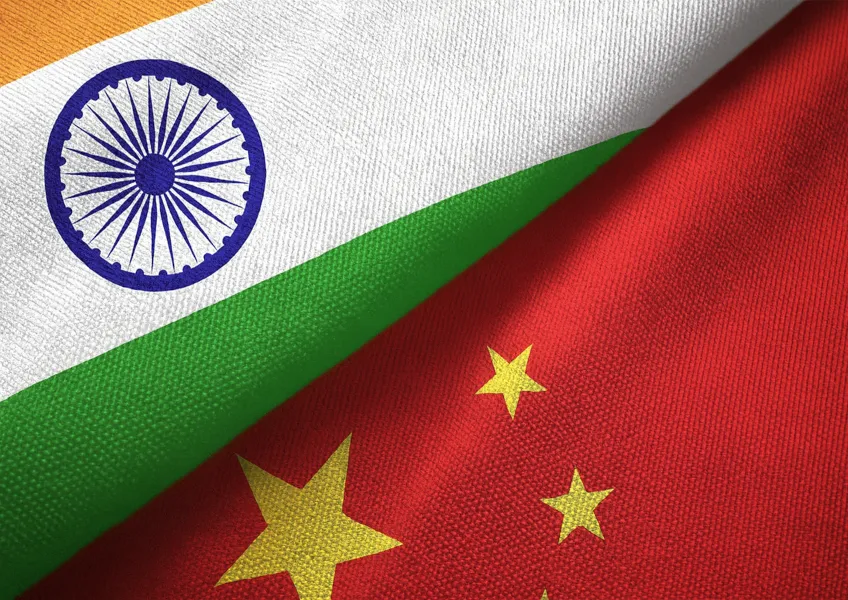
In a recent report by the World Economic Forum (WEF), it has been highlighted that the Asian continent is poised to be the engine of global economic growth in the coming decade, with India and China at the forefront of this transformation. As the world grapples with economic uncertainties and geopolitical tensions, Asia's robust economic framework and vast markets present unparalleled opportunities for growth and development.
Asia, home to more than half of the world's population, has become a vital player in the global economy. The region has seen significant advancements in technology, infrastructure, and human capital, making it a hub for innovation and manufacturing. According to the WEF, the combined GDP of India and China is expected to contribute substantially to global economic output, outperforming other major economies.
India and China, the two most populous nations, are not only economic giants but are also emerging as influential political powers on the global stage. The report emphasizes that both countries will play a crucial role in shaping international policies and trade agreements. With a young and dynamic workforce, India is expected to capitalize on its demographic advantage, while China continues to leverage its manufacturing prowess and technological advancements.
In conjunction with the economic forecasts, the WEF has announced a special session aimed at charting a roadmap for women's reservation rollout, emphasizing the importance of enhanced parliamentary representation before 2029. This initiative is crucial for promoting gender equality in governance and ensuring that women's voices are adequately represented in decision-making processes.
Technology and innovation are central themes in the WEF's vision for Asia's future. With rapid advancements in artificial intelligence, blockchain, and renewable energy, both India and China are making significant strides in technological development. The digital economy is expected to play a pivotal role in driving growth, creating jobs, and fostering entrepreneurship.
Despite the promising outlook, the WEF cautions that challenges remain. Economic disparities, environmental concerns, and political instability could hinder progress. Addressing these challenges will require collaborative efforts among governments, businesses, and civil society. The importance of international cooperation cannot be overstated, as global issues demand collective solutions.
As we look towards the next decade, the potential for growth in Asia, particularly in India and China, is immense. The WEF's insights provide a roadmap for harnessing this potential while addressing critical issues such as gender representation and technological advancement. By fostering an environment that encourages innovation and inclusivity, Asia can truly become the driving force of global growth.


Loading more news...
You've reached the end of our news feed. Check back later for more updates!