
Business
‘Grief Burns Like Fever’: This novel is a flashback of depravity during the surreal pandemic years
October 10, 2026
3,447 views
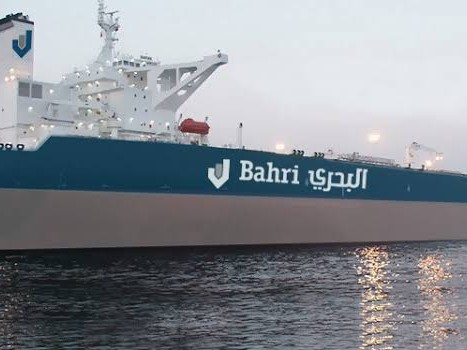
Saudi Arabia is taking proactive measures to ensure the continued flow of its crude oil to Asia, particularly China, amid heightened tensions and uncertainties surrounding the Strait of Hormuz. With its strategic importance as a vital shipping route for global oil supplies, the Strait has recently faced challenges that could potentially disrupt the flow of crude oil from the Gulf region. In response, Saudi Aramco, the state-owned oil giant, is innovating new methods to maintain its supply chain, focusing on ship-to-ship transfers as a workaround.
According to Reuters, Saudi Aramco has begun offering increased volumes of crude oil for September delivery to Asian buyers through a series of ship-to-ship transfers that occur outside the Strait of Hormuz. This method allows Saudi Arabia to bypass the risks associated with navigating through the strait, where geopolitical tensions can pose significant threats to shipping vessels. By transferring crude oil to another tanker off the coast of Fujairah, a well-known oil transshipment hub in the United Arab Emirates, Saudi Aramco is ensuring the safety and reliability of its shipments.
The ship-to-ship transfer model employed by Saudi Aramco is designed to enhance the security of oil deliveries while also maintaining the efficiency required to meet the demands of Asian markets. By utilizing this method, Aramco can effectively manage risks associated with shipping in hostile environments. This process involves transferring oil from a large tanker that has completed the treacherous passage through the Strait of Hormuz to a smaller vessel, which then proceeds to deliver the crude oil to its final destination. This not only minimizes the exposure of the cargo to potential threats but also allows for a more flexible and adaptable logistics operation.
The decision by Aramco to implement this strategy has significant implications for global oil markets. As the world’s largest oil exporter, Saudi Arabia plays a crucial role in stabilizing oil prices and ensuring supply continuity. By maintaining its crude oil exports to China, one of the largest consumers of oil globally, Saudi Arabia is reinforcing its commitment to meet the energy needs of its key trading partners despite external challenges.
With the implementation of ship-to-ship transfers, analysts believe that Saudi Aramco may enhance its competitive edge in the Asian oil market. This innovative approach could lead to a more stable oil supply, which in turn could help to stabilize prices in a market that is often subject to volatility due to geopolitical tensions. As Asian economies continue to grow and their demand for energy increases, the ability of Saudi Arabia to adapt to changing circumstances will be critical in maintaining its market share.
While the current workaround appears effective, Saudi Arabia must remain vigilant against potential future disruptions. The Strait of Hormuz will likely continue to be a focal point of geopolitical tensions, and as such, Saudi Aramco's strategy may evolve further to mitigate risks. The company may need to invest in additional infrastructure or explore alternative shipping routes to ensure the security of its oil supply chain.
Furthermore, as global energy markets shift toward renewable sources, Saudi Arabia's reliance on crude oil exports may face long-term challenges. The nation is actively working on diversifying its economy through initiatives outlined in its Vision 2030 plan. However, in the interim, maintaining robust oil exports remains crucial for the country's economic stability. The success of ship-to-ship transfers could serve as a model for other oil-producing nations facing similar challenges.
In conclusion, Saudi Aramco's innovative approach to maintaining crude oil flows to Asia through ship-to-ship transfers exemplifies the company's commitment to adapting to an ever-changing geopolitical landscape. As tensions in the Strait of Hormuz persist, this strategy not only safeguards the continuity of oil supplies but also highlights Saudi Arabia's critical role in the global energy market. As the world watches, the effectiveness of this method will be crucial in determining the future of oil exports from the Kingdom and its ability to navigate through uncertain waters.


Loading more news...
You've reached the end of our news feed. Check back later for more updates!