Politics
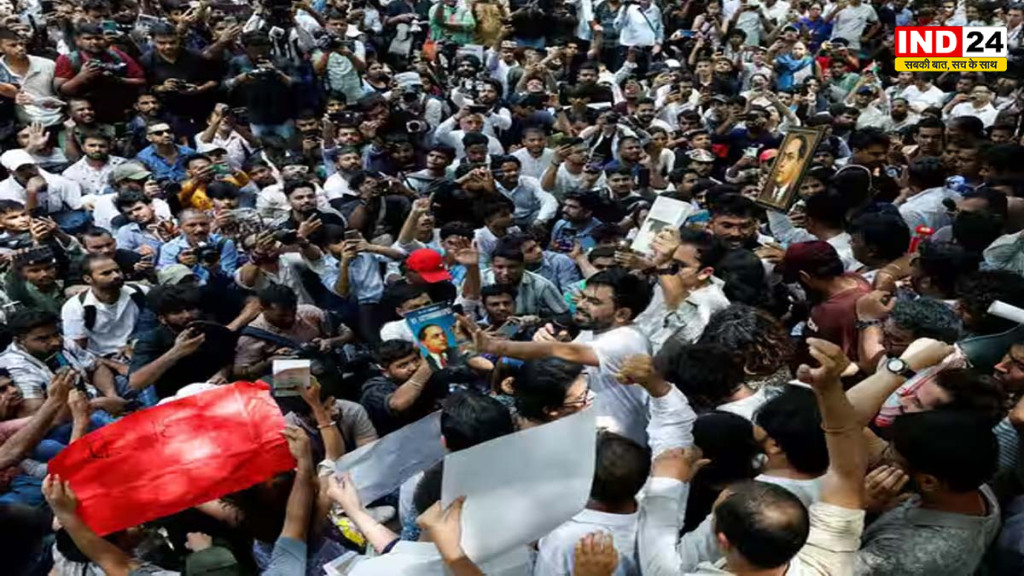
धरना-प्रदर्शनों का नया कारोबार: लोकतंत्र की आड़ में आखिर किसके हित साधे जा रहे हैं?
October 10, 2026
1,612 views
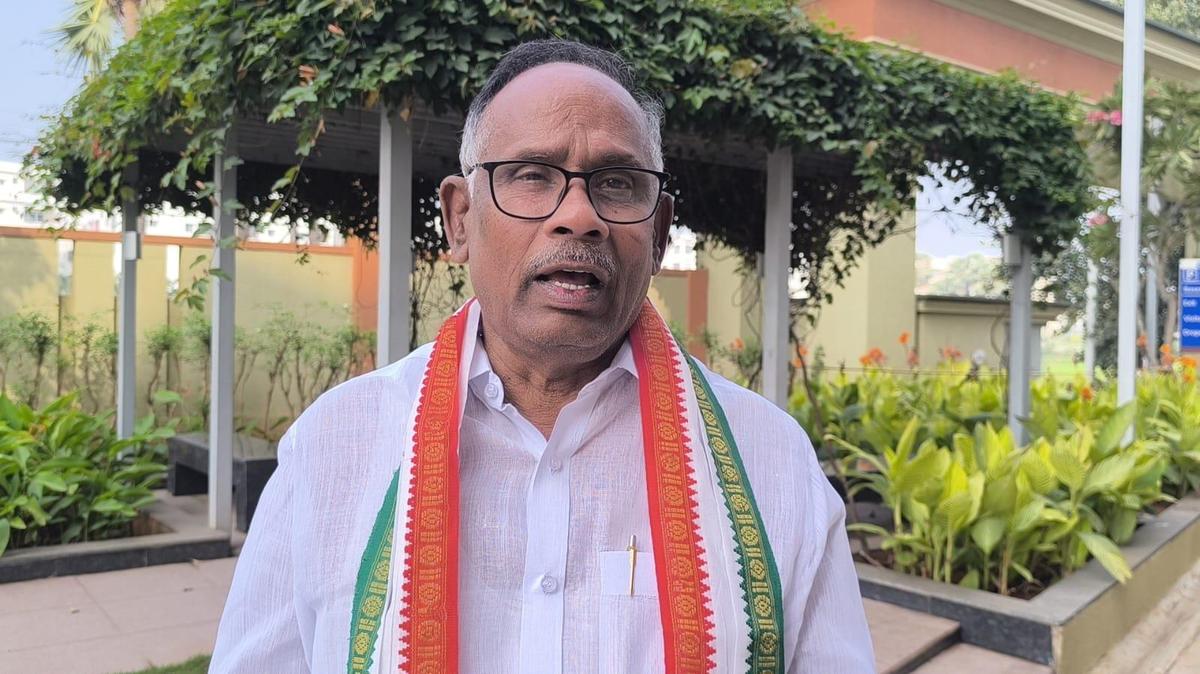
In a significant political development, Kolanukonda Shivaji, the vice-president of the Andhra Pradesh Congress Committee (APCC), has voiced strong opposition to the Delimitation Bill of 2026. He argues that the bill, which aims to redraw the boundaries of electoral constituencies in India, is not just a procedural measure but a strategic political maneuver that disproportionately affects southern states, particularly Andhra Pradesh. Shivaji's concerns reflect a growing sentiment among various political leaders who believe that the bill may be used to benefit certain political parties at the expense of regional representation.
The Delimitation Bill 2026 is positioned as a necessary step to ensure fair representation in the electoral process. However, Shivaji warns that this initiative is fraught with potential pitfalls. He points out that the process of redistricting, typically intended to reflect population changes and ensure equitable representation, could instead be manipulated to serve the interests of the ruling party. He emphasized that southern states, which have already faced challenges in terms of resource allocation and political representation, could see their voices further marginalized if the bill is implemented without careful consideration.
Shivaji articulated that the southern states, including Andhra Pradesh, Tamil Nadu, and Telangana, have historically been underrepresented in national politics. The Delimitation Bill, according to him, poses a risk of exacerbating this imbalance by potentially diluting the political power of these states. He noted that the Centre's focus appears to be on consolidating power in certain regions while ignoring the democratic essence of fair representation. This could lead to a scenario where the interests of southern states are overshadowed by those of their northern counterparts, thereby undermining the federal structure of India.
In light of these concerns, Shivaji has called for a united front among southern states to challenge the bill. He believes that a collaborative effort among political leaders from different parties in the region can help voice the collective concerns of the southern electorate. By standing together, these leaders can advocate for a delimitation process that is fair and just, ensuring that the unique demographics and needs of southern states are respected and maintained.
The backlash against the Delimitation Bill 2026 is not limited to political leaders. Many citizens, especially those in Andhra Pradesh, have expressed their apprehension regarding the potential consequences of the bill. Public forums and social media platforms are buzzing with discussions about the implications of redistricting, with many citizens echoing Shivaji's sentiments. The fear of disenfranchisement and loss of representation resonates deeply, prompting calls for greater civic engagement and activism to safeguard regional interests.
As the debate surrounding the Delimitation Bill 2026 intensifies, it is crucial for all stakeholders to engage in constructive dialogue. The electoral process is a cornerstone of democracy, and ensuring that it remains fair and representative is paramount. Shivaji's opposition serves as a reminder of the importance of vigilance in the face of potential political maneuvers that could undermine the democratic fabric of the nation. The upcoming discussions in Parliament and public forums will be pivotal in shaping the future of electoral representation in India, particularly for the southern states.
In conclusion, Kolanukonda Shivaji's opposition to the Delimitation Bill 2026 highlights the ongoing tensions between regional interests and national political strategies. As the nation moves forward, it is essential to prioritize a democratic process that is inclusive and equitable, ensuring that every voice is heard and represented in the corridors of power.


Loading more news...
You've reached the end of our news feed. Check back later for more updates!