
Politics
स्वच्छता कार्य में लापरवाही पर कड़ी कार्रवाई होगी: केएमसी आयुक्त
November 19, 2026
2,481 views
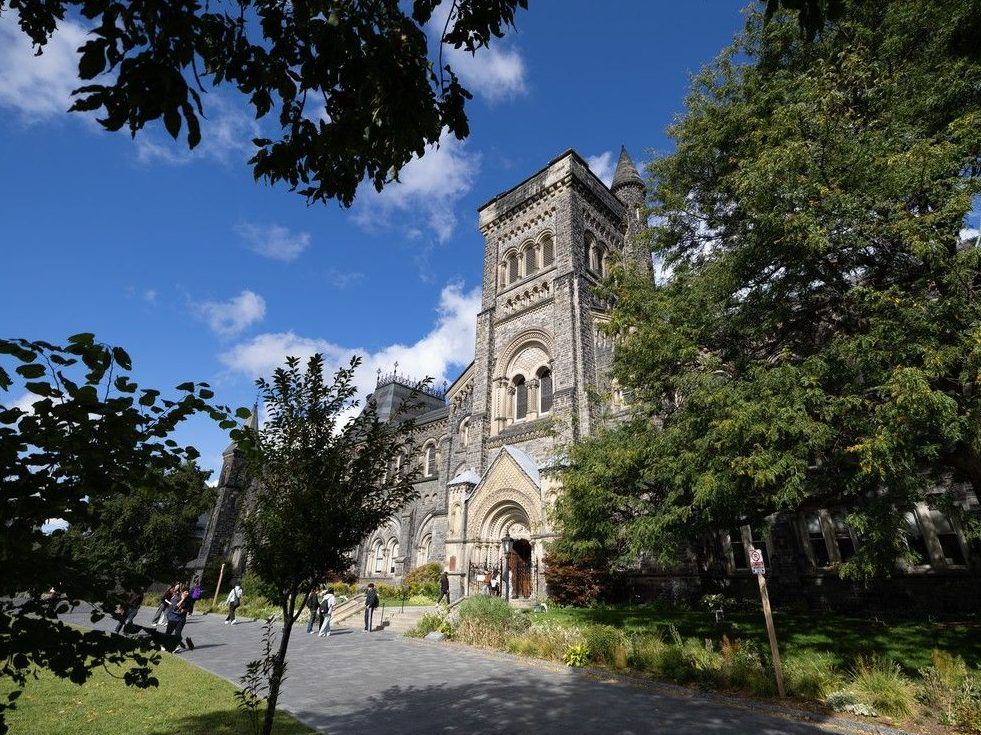
In a significant development, the University of Toronto (U of T) has announced that an anticipated event aimed at "honouring martyrs" associated with the ongoing Israeli-Palestinian conflict will not be held on its campus on October 7. This decision comes in the wake of rising tensions and concerns over safety, particularly in light of similar events planned at other Canadian universities, including Vancouver and Montreal.
The event at U of T was originally scheduled to coincide with a day that many in the Palestinian community observe as a day of mourning and remembrance. This date has historically been marked by various forms of protests and demonstrations across campuses in Canada and worldwide. Organizers intended to use this occasion to express solidarity with those they refer to as martyrs in the Palestinian struggle, a term that has sparked considerable debate and disagreement.
The university administration has cited safety concerns and the potential for heightened tensions as primary reasons for the cancellation of the event. In a statement, U of T officials expressed their commitment to fostering a campus environment that promotes dialogue and understanding while also ensuring the safety of all students and staff. The administration emphasized that the decision was made after careful consideration of the current socio-political climate and its implications for campus dynamics.
The decision to cancel the event has elicited a range of responses from both students and organizers. Many who support the event have expressed disappointment, arguing that it represented an opportunity for raising awareness and fostering discussions about Palestinian rights. Some students have criticized the university for what they perceive as an infringement on free speech and a failure to support marginalized voices.
Despite the cancellation at the University of Toronto, other Canadian campuses have confirmed that they will proceed with their scheduled rallies on October 7. In Vancouver and Montreal, organizers have stated their intentions to hold demonstrations that will focus on similar themes of solidarity and remembrance. These events are expected to draw significant attention and could potentially lead to counter-protests, highlighting the polarized nature of this issue across the country.
The cancellation of the U of T event may have implications beyond just that specific gathering. It raises questions about how universities handle politically charged topics and the extent to which they are willing to intervene in the name of safety. As students and faculty grapple with these challenges, the need for effective dialogue and conflict resolution strategies becomes increasingly apparent.
The University of Toronto’s decision to cancel the anti-Israel event on October 7 serves as a reminder of the complexities surrounding free speech and safety in academic settings. As other Canadian universities prepare for their rallies, the discourse surrounding the Israeli-Palestinian conflict continues to evolve, reflecting broader societal tensions. Moving forward, it is imperative for universities to strike a balance between fostering open dialogue and ensuring a safe environment for all members of the community.


Loading more news...
You've reached the end of our news feed. Check back later for more updates!