Politics
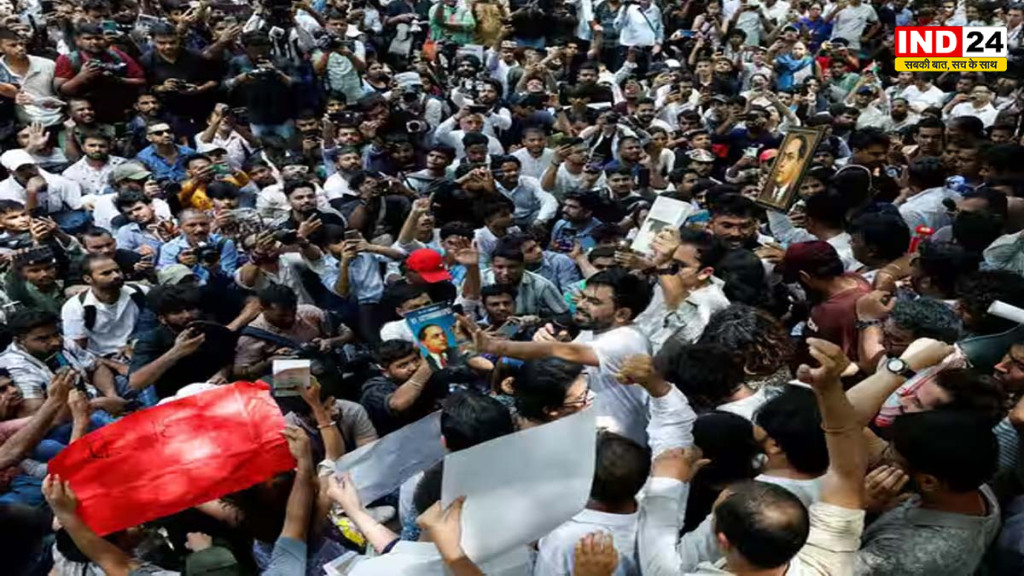
धरना-प्रदर्शनों का नया कारोबार: लोकतंत्र की आड़ में आखिर किसके हित साधे जा रहे हैं?
October 10, 2026
1,612 views

In a significant development in international relations, US President Donald Trump has expressed optimism regarding the potential for renewed negotiations with Iran. During a press briefing, Trump stated that “the right people” had initiated contact indicating Iran’s interest in reaching a deal. This statement comes amidst heightened tensions and complex diplomatic dynamics between the two nations.
The relationship between the United States and Iran has been fraught with tension for decades, marked by significant events including the Iranian Revolution, the hostage crisis, and more recently, the US withdrawal from the Joint Comprehensive Plan of Action (JCPOA) in 2018. This withdrawal led to economic sanctions against Iran, which have significantly impacted its economy and international standing.
President Trump’s remarks suggest a willingness to engage in dialogue, a shift from previous rhetoric that often emphasized a more confrontational approach. By stating that “the right people” had reached out, he implies that there are channels of communication that could facilitate a potential deal. This optimism aligns with a broader strategy aimed at de-escalating tensions and finding common ground.
In response to Trump’s comments, Iran’s envoy in Delhi indicated a conditional openness to fresh talks. This statement underscores Iran’s cautious approach to negotiations, emphasizing that any discussions would need to address Iran’s core concerns, including the lifting of sanctions and respect for its sovereignty.
The landscape of US-Iran relations is not only influenced by the two nations but also by the involvement of international actors. Countries such as China, Russia, and members of the European Union have a vested interest in the outcome of any negotiations, as stability in the region impacts global security and economic interests.
Both Trump and Iranian leaders face domestic pressures that could impact their willingness to negotiate. In the US, public sentiment remains divided on issues related to Iran, with some advocating for a more aggressive stance while others call for diplomacy and engagement. Similarly, Iranian leaders must contend with public discontent over economic hardships exacerbated by sanctions, which could push them towards seeking a resolution.
As discussions of potential negotiations emerge, the question remains: can both nations find common ground? While Trump’s assertions and Iran’s conditional openness provide a glimmer of hope, the path forward is fraught with challenges. Both nations must navigate their respective domestic pressures, international relationships, and historical grievances to create a viable framework for dialogue.

Loading more news...
You've reached the end of our news feed. Check back later for more updates!