
Politics
स्वच्छता कार्य में लापरवाही पर कड़ी कार्रवाई होगी: केएमसी आयुक्त
November 19, 2026
2,481 views
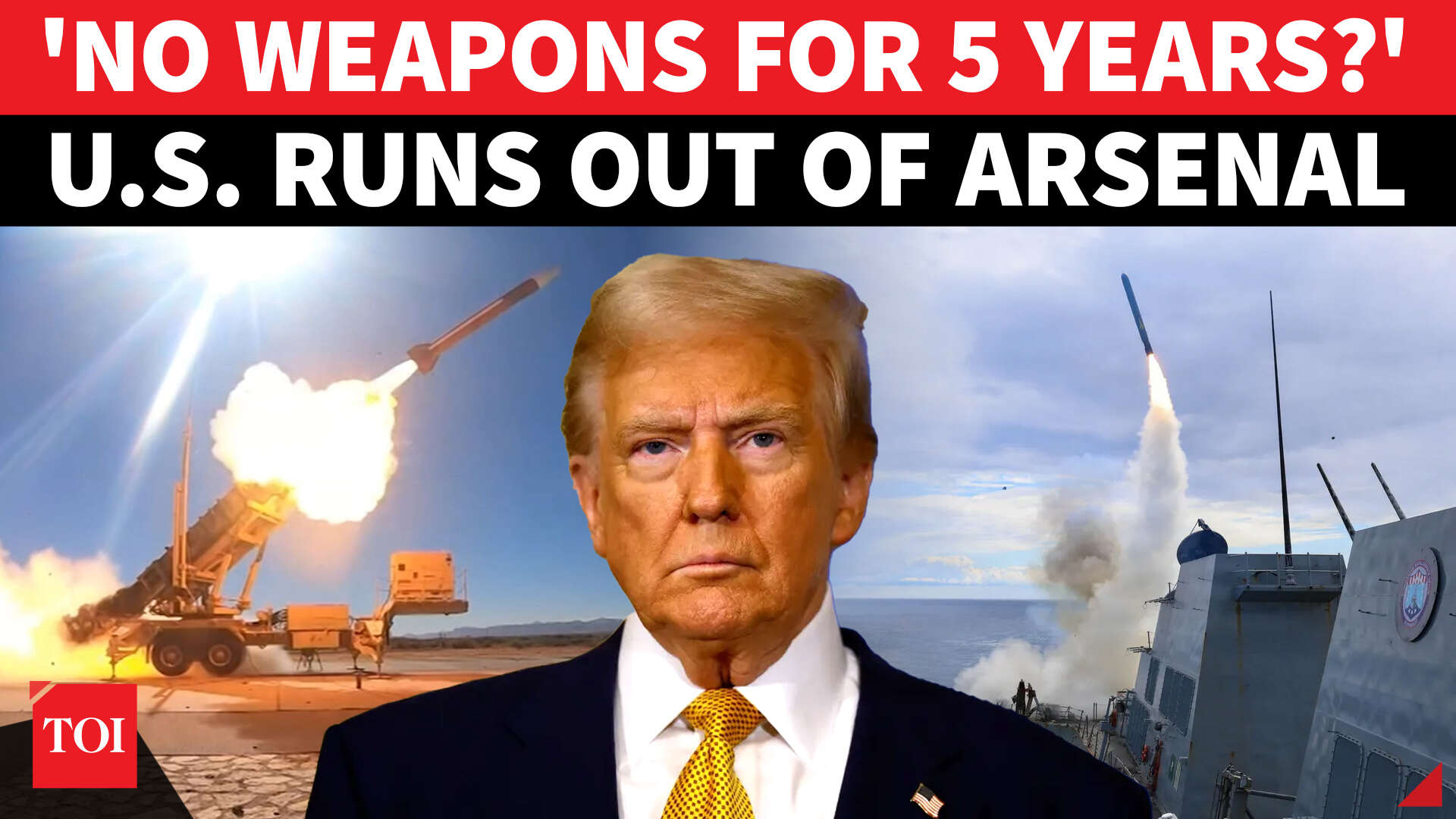
In a startling revelation, the United States is alerting its allies about significant delays in the delivery of crucial missile and air-defense systems. These delays, which could extend up to five years, stem from the overwhelming depletion of American stockpiles due to the ongoing conflict with Iran. The war has not only strained military resources but also highlighted the vulnerabilities within the U.S. defense supply chain. As reported by Bloomberg, the implications of this situation are widespread, affecting nations such as Germany and Japan, who are now facing extended wait times for essential military equipment.
According to estimates from defense analysts, the ongoing military engagements in the Middle East have severely reduced U.S. missile inventories. During the Iran campaign, America reportedly expended more than half of its advanced Patriot interceptors and nearly one-third of its Tomahawk missiles. Furthermore, around half of its Precision Strike Missiles and THAAD interceptors were utilized, leading to an alarming depletion of critical military resources. This situation has left the Pentagon scrambling to replenish its stockpiles, which are being consumed at a pace that outstrips production capabilities.
Germany, which has been eagerly awaiting the arrival of Tomahawk missiles and Typhon launchers, may find itself in a precarious position as these systems could take as long as five years to be delivered. Similarly, Japan faces a wait of up to two years for its requested Tomahawks. These delays pose significant risks to the military preparedness of these nations, which rely on U.S. military support to maintain their defense capabilities amidst rising geopolitical tensions. The situation underscores the urgent need for a reassessment of military supply chains and production capabilities to meet the needs of allied nations.
The repercussions of these delays are particularly acute for Ukraine, which is currently engaged in a desperate struggle against Russian aggression. Ukrainian President Volodymyr Zelensky has voiced concerns regarding the supply of air-defense missiles, indicating that Kyiv has received only about one-third of the air-defense systems it obtained in the previous year. This shortfall is troubling, especially as the country faces increased aerial threats. The U.S. had previously intended for its military actions in Iran to showcase its unparalleled strength, but the reality has revealed critical gaps in its arsenal and the capacity of its defense industry to respond to emerging threats.
In light of these developments, political responses have varied. Former President Donald Trump has downplayed the notion that the Iran conflict has led to an ammunition shortage, suggesting that the military's needs are being met. However, the Pentagon Inspector General's acknowledgment of strategic inventory shortfalls paints a different picture. This discrepancy between political rhetoric and military reality could influence public perception and trust in the defense establishment. As allies look to the U.S. for support, the administration must navigate the complex landscape of military readiness while addressing the concerns of its partners.
The current state of U.S. missile stocks and the delayed delivery of military equipment to allies raises critical questions about the future of American military strategy. As geopolitical tensions continue to rise, the United States may need to reevaluate its defense production capabilities and logistical strategies to ensure that its allies have access to the military resources they require. This reevaluation could involve increasing investments in defense manufacturing, streamlining supply chains, and enhancing international cooperation to bolster collective security.
As the consequences of the Iran conflict ripple through the global defense landscape, it is clear that the United States is at a crossroads. The depletion of missile stocks and the subsequent delays in delivering military equipment to allies underscore the urgent need for a comprehensive reassessment of military strategies and production capabilities. The ability to maintain military readiness not only impacts national security but also the security of allied nations that depend on U.S. support. In a world where threats are ever-evolving, the U.S. must adapt to ensure it remains a reliable partner in global defense.


Loading more news...
You've reached the end of our news feed. Check back later for more updates!