Politics
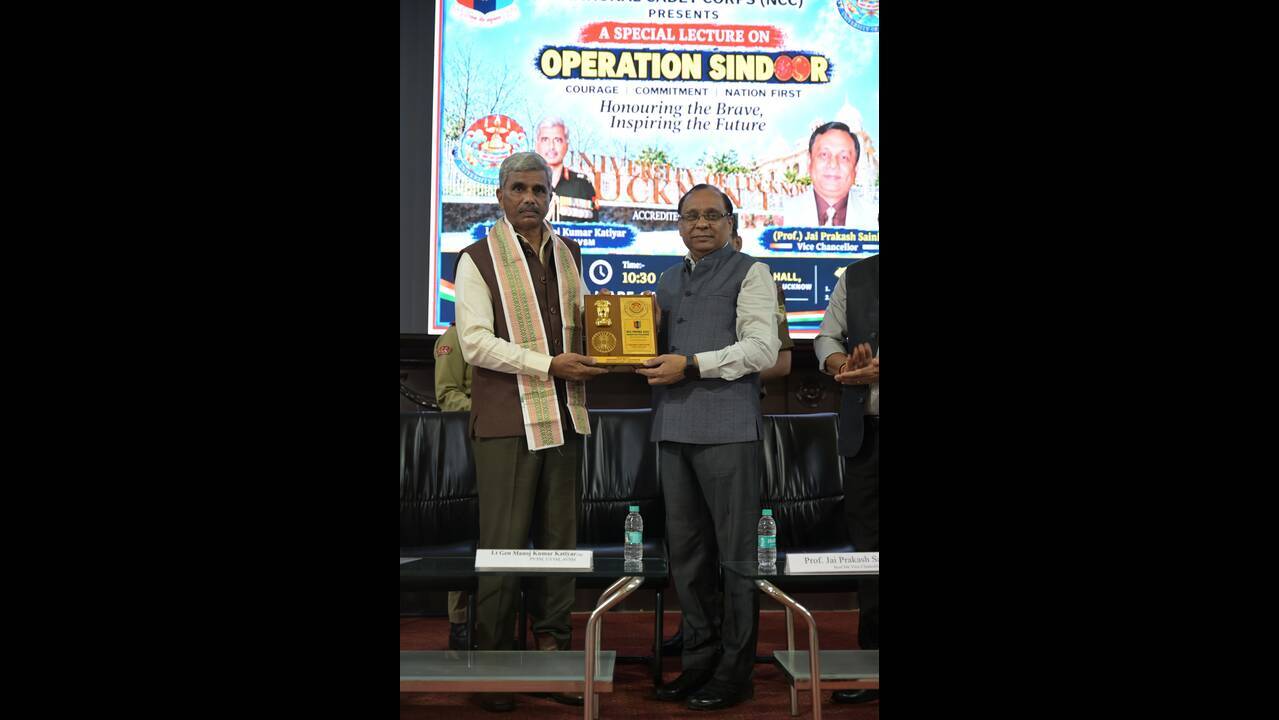
Pakistan sought truce after heavy losses in Op Sindoor: Ex-Western command chief
October 14, 2026
3,480 views
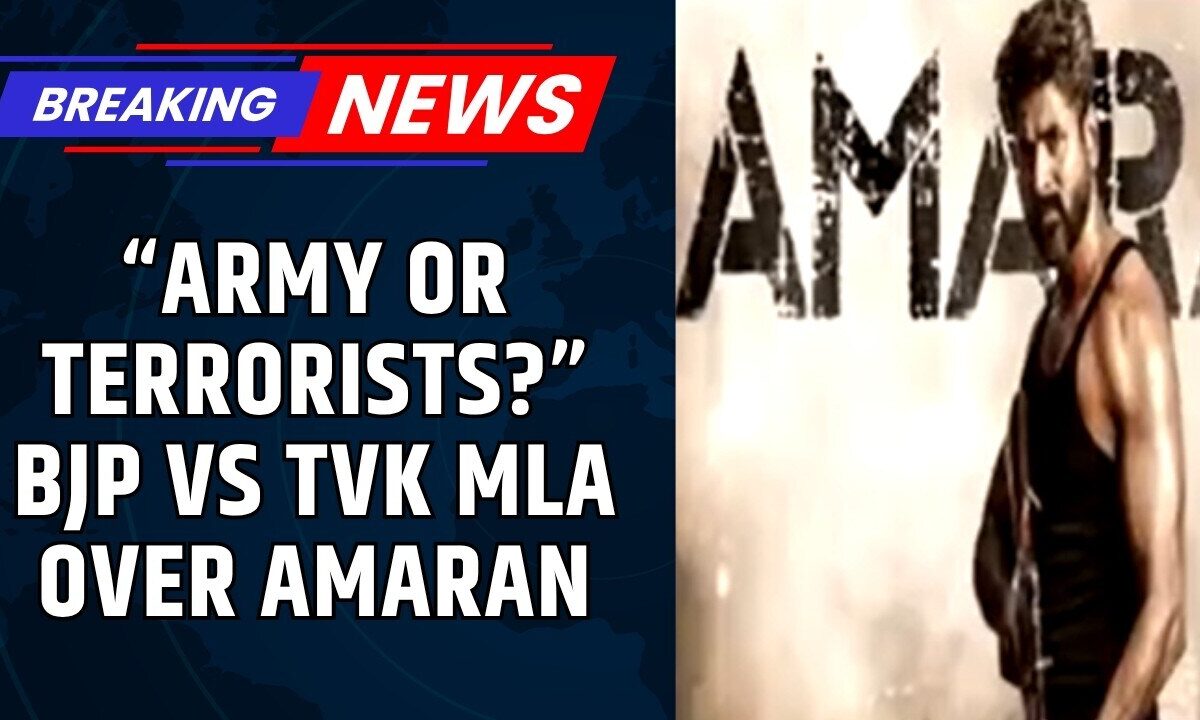
In a contentious political landscape, a fresh controversy has emerged in Tamil Nadu, ignited by the recent release of the film Amaran, which is inspired by the life and military service of Major Mukund Varadarajan. This drama has taken center stage as BJP Tamil Nadu president Nainar Nagenthran publicly condemned the remarks made by TVK MLA S. Madhar Badhurudeen, commonly known as Mustafa. Nagenthran's criticisms hinge on Mustafa's comments about the film's representation of terrorism and its implications for the Muslim community. The BJP leader's statements have raised significant questions regarding the political stance of the TVK and its leader, Tamil Nadu Chief Minister Vijay.
Mustafa's objections regarding the film's portrayal of Pakistani terrorists have been interpreted by some as an attempt to shield the sentiments of a specific community. Nainar Nagenthran took a firm stance, questioning whether Mustafa's criticisms implied a degree of sympathy towards terrorists over the Indian Army, which has historically fought against such threats to national security. The BJP leader's remarks have triggered a broader conversation about the responsibilities of public figures in addressing sensitive issues such as terrorism and community representation in media.
Nainar Nagenthran's criticisms did not stop with questioning Mustafa's intentions. He further demanded clarification from Chief Minister Vijay on whether the TVK's position aligns with that of its MLA. This call for accountability reflects a growing trend where political leaders are urged to take clear stances on controversial issues, especially when they can impact community relations and public perception. Nagenthran's insistence that there should be no hesitation in condemning terrorism highlights the ongoing struggle between political narratives and the portrayal of security issues in art and cinema.
The fallout from this controversy is not limited to political rhetoric; it has also provoked reactions from various community leaders and activists. Many are concerned that such discussions could lead to further polarization among communities, particularly in a state like Tamil Nadu, which is known for its diverse cultural fabric. The portrayal of terrorism in films is a delicate subject, and the way it is handled can either foster understanding or exacerbate tensions.
The Amaran controversy serves as a stark reminder of the intersection between art, politics, and social responsibility. The film, which aims to honor the sacrifices of soldiers like Major Mukund Varadarajan, has inadvertently opened up a debate on how military and terrorist narratives are constructed and perceived in popular culture. Critics argue that filmmakers have a responsibility to ensure that their narratives do not perpetuate stereotypes or foster division among communities. Supporters of the film, on the other hand, contend that it is essential to depict the realities of terrorism in a manner that honors the sacrifices made by the armed forces.
As this political drama unfolds, it is vital for both the BJP and the TVK to engage in constructive dialogue. Political leaders must navigate these sensitive topics with care, ensuring that their statements do not inadvertently inflame tensions within communities. For the public, this controversy raises important questions about representation, artistic freedom, and the responsibilities of political leaders in addressing complex social issues. Ultimately, fostering a climate of understanding and respect will be crucial in moving forward from this controversy.
The Amaran controversy is not just about a film; it reflects the broader political dynamics of Tamil Nadu and India as a whole. With the upcoming elections, political parties are keenly aware of how they are perceived by various communities. The BJP's aggressive stance against perceived appeasement of terrorists resonates with its core supporters, while the TVK must tread carefully to maintain its image as a party that represents all communities. This delicate balancing act will likely define the political landscape in Tamil Nadu in the months to come.
In conclusion, the Amaran row exemplifies the challenges faced by political parties in addressing sensitive issues while also representing diverse constituencies. As the debate continues, it will be essential for leaders to prioritize dialogue over division, ensuring that the narrative surrounding terrorism and community representation is approached with the seriousness it deserves.
Loading more news...
You've reached the end of our news feed. Check back later for more updates!