Politics
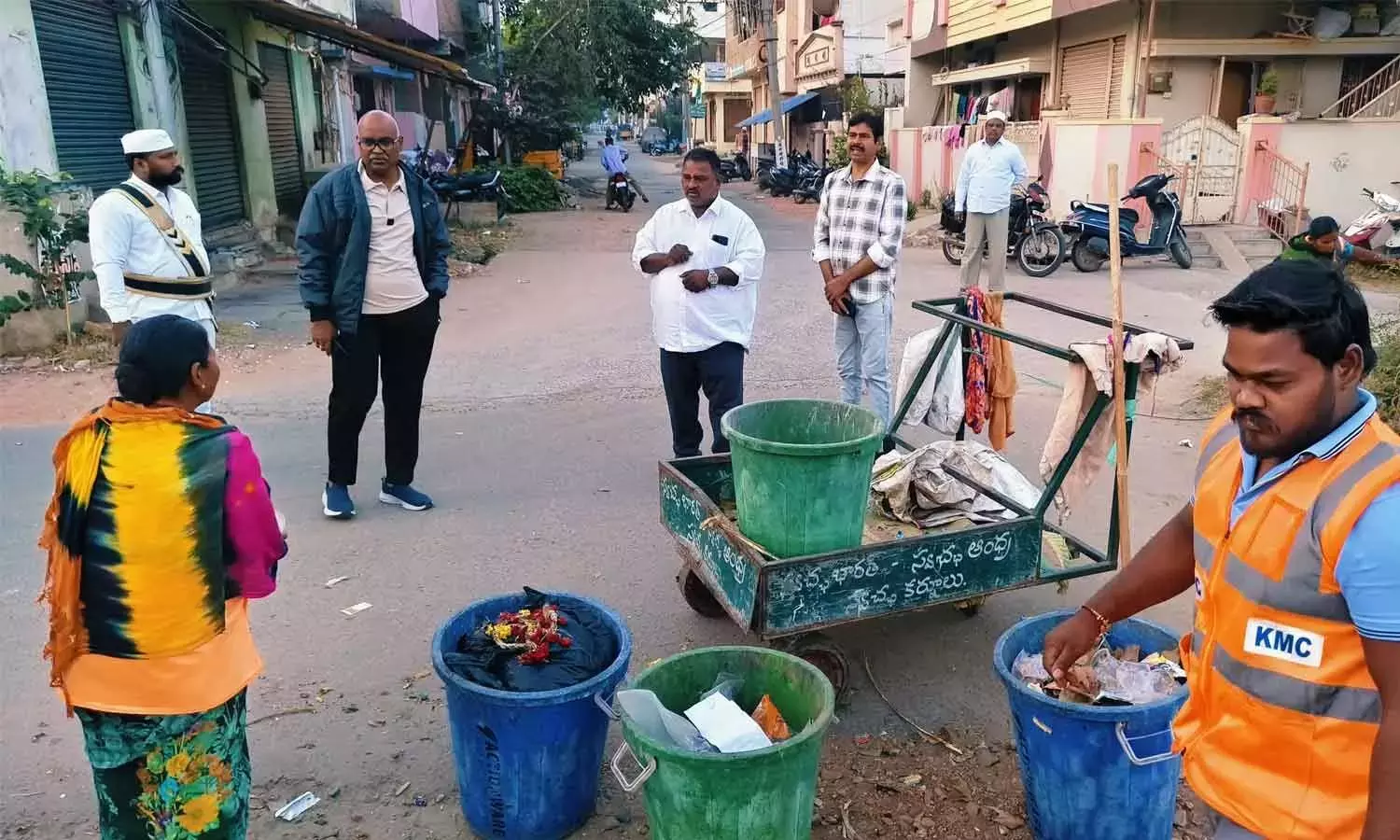
स्वच्छता कार्य में लापरवाही पर कड़ी कार्रवाई होगी: केएमसी आयुक्त
November 19, 2026
2,481 views
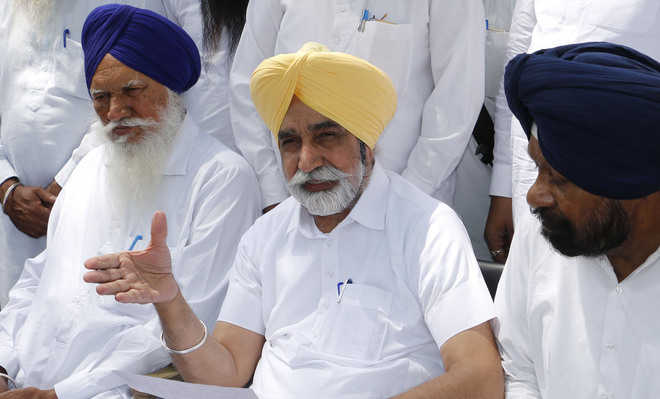
In a significant development ahead of the upcoming Punjab Assembly elections, former Cabinet minister Sikandar Singh Maluka has made a fervent appeal to the various factions within the Shiromani Akali Dal (SAD) to put aside their differences and work together for a united front. This call for unity comes on the heels of statements from Gurpartap Singh Wadala, a senior leader of the SAD (Puran Surjit) faction, who confirmed that negotiations are ongoing with the Sukhbir Singh Badal-led SAD to reconcile their differences. With the electoral battle looming, the emphasis on unity could play a crucial role in the political landscape of Punjab.
Factionalism has been a persistent issue within the Shiromani Akali Dal, a party that holds significant sway in Punjab's political arena. The divisions have often led to weakened electoral performances and a fragmented voter base. Maluka, acknowledging this reality, stressed that the time has come to overcome past grievances and focus on a common goal: serving the interests of the Punjabi people. He noted that internal strife not only hampers party effectiveness but also alienates supporters who desire a cohesive leadership.
According to Wadala, discussions between the factions are progressing, indicating a willingness to compromise for the greater good. This dialogue is essential as it reflects an understanding that the upcoming elections will require a united front to effectively challenge rival parties. Maluka's support for these talks underscores the urgency of the situation, as he believes that failing to unite could result in significant losses in the elections. He mentioned that the Akali Dal has historically been a symbol of Sikh identity and community welfare, and maintaining that legacy should be the priority of all factions involved.
With the Punjab polls approaching, the need for a unified strategy cannot be overstated. Sikandar Maluka highlighted that a divided party can easily be outmaneuvered by opponents, particularly the Indian National Congress and the Aam Aadmi Party, both of which are vying for the loyalty of the electorate. He urged all factions to focus on shared objectives rather than individual ambitions. The Akali Dal’s historical narrative, built around the principles of justice and community service, should be the cornerstone of their campaign strategy.
Public sentiment around the call for unity has been mixed. While many supporters of the Akali Dal recognize the necessity of a consolidated front, others remain skeptical about the feasibility of reconciling deep-seated divisions. Local leaders and party workers have expressed hope that this initiative will lead to a more robust electoral strategy, one that resonates with the electorate's aspirations. The community is looking for strong leadership that can address pressing issues such as agriculture, employment, and health care, which have become hot-button topics in the state.
Despite the promising discussions, significant challenges remain. The historical rivalry between different factions may not be easily set aside. Moreover, there are concerns that personal ambitions and loyalty to individual leaders might overshadow the collective goal of unity. Maluka has urged party members to prioritize the Akali Dal's legacy over personal interests, emphasizing that their primary allegiance should be to the party and its foundational values.
As the Punjab elections draw closer, the call for unity within the Shiromani Akali Dal emerges as a critical factor that could determine the party's fate. Sikandar Singh Maluka’s appeal serves as a reminder that collaboration and shared vision are essential for political success. By fostering a spirit of cooperation and mutual respect, the Akali Dal can potentially revitalize its image and strengthen its position in Punjab's complex political landscape. The coming weeks will be crucial as the factions navigate their differences and work towards presenting a united front to the voters.


Loading more news...
You've reached the end of our news feed. Check back later for more updates!