
Business
Invetech & MeMed win 2026 Good Design Award Gold for MeMed Key™
October 9, 2026
2,539 views
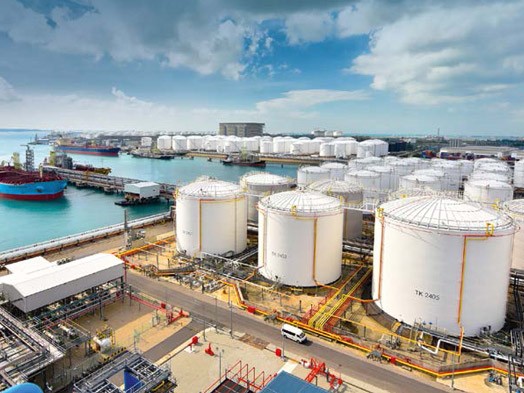
East Africa has spent decades exporting one commodity and importing another. The region holds roughly 4.7 billion barrels of crude oil reserves and more than 70 trillion cubic feet of natural gas across Uganda, South Sudan, Kenya, and the DRC, according to the African Energy Commission (AFREC). Yet it imports 100% of its refined fuel after Kenya Petroleum Refineries Limited (KPRL), the region’s last operating refinery, shut down in 2013. Nigerian billionaire Aliko Dangote now says he intends to reverse that equation with a $17 billion (KSh2.2 trillion) proposal to build a massive oil refinery in Kenya capable of processing 700,000 barrels per day (bpd).
Dangote's ambitious plan aims not only to boost Kenya's economy but also to enhance energy security across East Africa. By establishing a local refinery, the project could significantly reduce the region's dependency on imported fuels, which has been a major economic burden for many countries in the area. The refinery would create thousands of jobs, both during the construction phase and in ongoing operations, while also spurring the development of ancillary industries.
The refinery is expected to produce a variety of products, including gasoline, diesel, and jet fuel, catering to both local demand and export markets. The increased availability of refined products could lead to lower fuel prices, benefiting consumers and businesses alike. Furthermore, the establishment of this facility aligns with Kenya’s Vision 2030 initiative, which aims to transform the country into a newly industrializing, middle-income nation.
With a projected investment of $17 billion, this refinery could be one of the largest infrastructure projects in East Africa's history. The funding for the project is expected to come from a combination of Dangote’s personal wealth, institutional investors, and potential partnerships with local governments. The economic implications are immense, as it could create a ripple effect throughout the region, attracting further investments in related sectors such as logistics, construction, and energy.
Job creation is one of the most tangible benefits of the proposed refinery. During its construction phase, the project could employ thousands of workers, providing much-needed income and skills development. Once operational, the refinery could employ a significant number of people directly, while also creating indirect jobs in transportation, maintenance, and support services. This could help alleviate some of the unemployment challenges faced by many East African countries, particularly among the youth.
Despite the promising outlook, several challenges could arise in the execution of this ambitious project. Regulatory hurdles, environmental concerns, and potential resistance from local communities are all factors that must be addressed. The construction and operation of a large oil refinery can have significant environmental impacts, and it will be essential for Dangote Group to engage with local stakeholders to ensure sustainable practices are followed.
Moreover, the success of the refinery will depend on the stability of the political and economic climate in Kenya and the surrounding region. Any disruptions caused by political unrest or economic instability could jeopardize the project and its objectives. Therefore, careful planning and risk management will be critical to the project's success.
If successful, Dangote's refinery could pave the way for a new era of oil refining in East Africa. It could encourage other investors to consider similar projects, potentially leading to a network of refineries across the region. This, in turn, could help East Africa leverage its vast natural resources, transforming the region into a significant player in the global energy market.
Energy security is a critical concern for many East African nations. By developing local refining capabilities, countries can reduce their vulnerability to global oil price fluctuations and supply chain disruptions. This enhanced energy independence is not only economically beneficial but also vital for national security.
In conclusion, Aliko Dangote's proposal to build a 700,000 bpd oil refinery in Kenya represents a potential turning point for East Africa's energy landscape. While there are numerous challenges to overcome, the benefits of such a project could be transformative for the region. By investing in local refining capabilities, East Africa could ensure a more stable and secure energy future, while also fostering economic growth and job creation. As this bold vision unfolds, the eyes of the world will be on Kenya, watching to see if it can indeed become a hub for oil refining in the heart of Africa.

Loading more news...
You've reached the end of our news feed. Check back later for more updates!