
Politics
Khyber Pakhtunkhwa emergency puts Pakistan’s democratic credentials, EU trade perks under scrutiny: Report
October 18, 2026
2,892 views
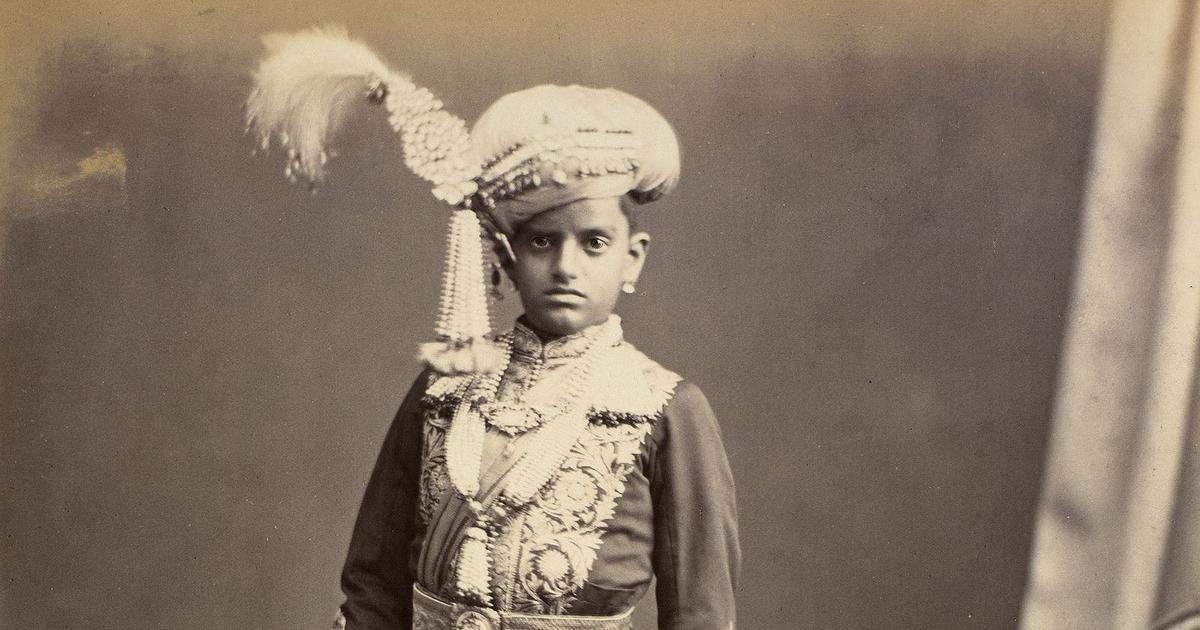
In a significant revelation, a newly published book titled ‘Longing for an Elsewhere: Mysore and the Making of India’s Developmental State’ by Chandan Gowda uncovers the historical narrative of self-governance in the Mysore region. The book delves into the events of 1881, a pivotal year when the Mysore Representative Assembly emerged as a formidable body advocating for self-rule. This book not only chronicles the political aspirations of the people of Mysore but also contextualizes these movements within the larger framework of India’s struggle for independence.
The Mysore region, known for its rich cultural heritage and progressive rulers, has a long-standing history of political activism. In the late 19th century, amidst the backdrop of British colonial rule, the Mysore Representative Assembly began to take shape as a platform for voicing the concerns and aspirations of its people. The assembly, established under the guidance of the Maharaja, was not merely a token body but represented a genuine effort towards self-governance. Gowda’s book sheds light on how this assembly was instrumental in shaping the political landscape of Mysore.
One of the intriguing aspects of the book is its focus on key figures who played a vital role in the assembly. Leaders like Raja Rao, Venkataramanaiah, and R. H. Deshpande were pivotal in advocating for the rights of the Mysore people. Their speeches, documented in the assembly records, reflect a deep-seated desire for autonomy and self-determination. Gowda meticulously recounts their struggles and triumphs, illustrating how their efforts laid the groundwork for future political movements in India.
The agenda of the Mysore Representative Assembly was broad and ambitious. It sought to address various social and economic issues, with an emphasis on education, infrastructure, and welfare. The assembly’s members recognized that self-rule was not solely about political power; it was also about the empowerment of the people. They pushed for reforms that would benefit the common man, challenging the colonial narrative that often depicted Indian leaders as incapable of governance. This aspect of the assembly is crucial, as it highlights the proactive stance taken by Mysore’s leaders long before the Indian independence movement gained momentum.
The efforts of the Mysore Representative Assembly set a precedent for future political activism in India. The book illustrates how these early movements in Mysore inspired similar initiatives across the country. The assembly's push for self-governance echoed the sentiments that would later be voiced by larger nationalist movements. As Gowda points out, the desire for self-rule was not limited to the political elite; it resonated with the masses, thus laying a foundation for a unified struggle against colonial oppression.
In today’s context, the themes explored in ‘Longing for an Elsewhere’ resonate deeply within contemporary discussions on governance and autonomy. The book encourages readers to reflect on the importance of self-governance in a democratic society. It prompts us to consider how historical narratives shape our understanding of identity and governance in modern India. The insights provided by Gowda remind us that the quest for self-rule is an ongoing journey, one that continues to evolve as new generations strive for autonomy and representation.
Chandan Gowda’s ‘Longing for an Elsewhere: Mysore and the Making of India’s Developmental State’ is more than just a historical account; it is a testament to the resilience and aspirations of the people of Mysore. By highlighting the significant role of the Mysore Representative Assembly in the pursuit of self-rule, the book opens up a dialogue about the importance of historical narratives in shaping our present and future. As readers delve into its pages, they will discover a rich tapestry of political activism that not only defined a region but also contributed to the broader narrative of India’s struggle for independence.


Loading more news...
You've reached the end of our news feed. Check back later for more updates!