
Politics
A new book on Indian laws demystifies the ‘right to privacy’ and examines how it has improved lives
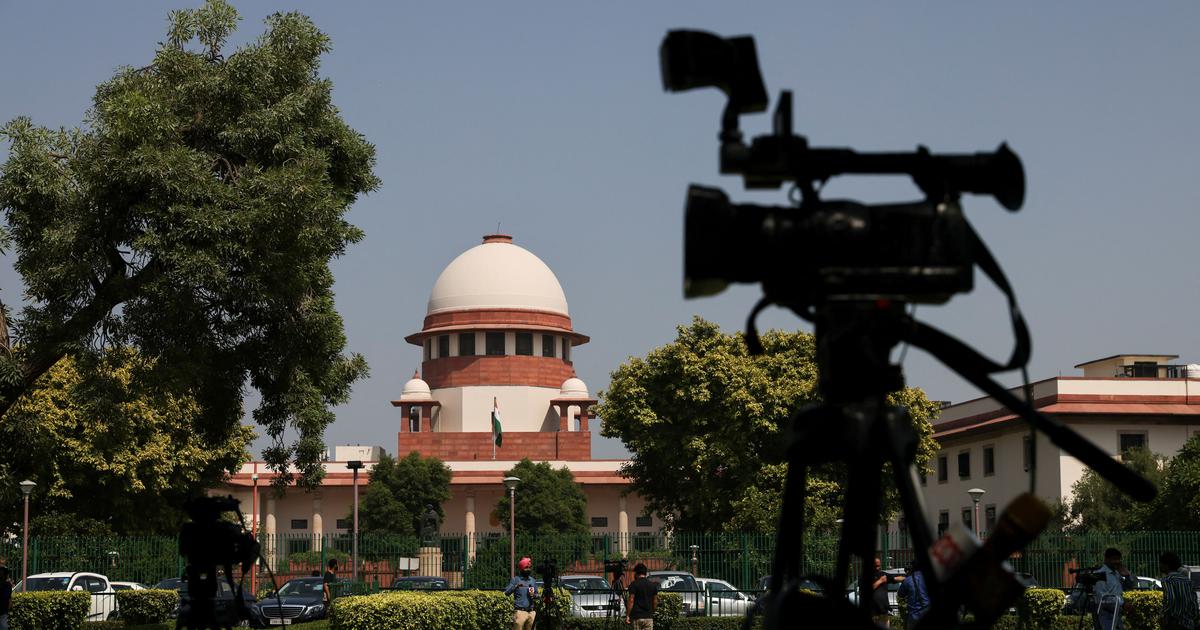
A New Book on Indian Laws Demystifies the ‘Right to Privacy’ and Examines How It Has Improved Lives
In an era where personal data is often treated as a commodity, the concept of privacy has gained unprecedented significance. Priya Jain's latest publication, The Trials of a Nation: How Crises, Conflicts and Courts Shaped Modern India, delves deep into the evolution of the ‘right to privacy’ in India. This book not only elucidates the intricate legal framework surrounding privacy rights but also highlights how these laws have transformed the lives of ordinary citizens.
Understanding the Right to Privacy
The ‘right to privacy’ is not merely a legal jargon; it is a fundamental aspect of human dignity. In her book, Jain meticulously traces the historical context of privacy in India, starting from its recognition in the landmark judgement of Justice K.S. Puttaswamy vs. Union of India in 2017, where the Supreme Court declared the right to privacy as a fundamental right under Article 21 of the Indian Constitution. This verdict marked a pivotal moment, affirming the significance of personal autonomy and individual rights in the face of increasing governmental surveillance and data intrusion.
The Impact on Citizens’ Lives
Jain's work does not shy away from illustrating the tangible impacts of privacy laws on citizens' lives. For instance, the book examines how the recognition of privacy rights has empowered individuals in matters of personal choice, from reproductive rights to the use of technology. The author provides compelling case studies that demonstrate how people have utilized their newfound rights to challenge invasive practices by both the state and private entities.
Empowerment through Knowledge
One of the most significant revelations in Jain's book is the role of public awareness in the enforcement of privacy rights. She argues that knowledge about these rights is essential for their actualization. The author emphasizes the importance of educating citizens about their legal entitlements and the tools available for asserting these rights. This empowerment is crucial in a country where many are still unaware of their fundamental freedoms.
Challenges and Future Prospects
Despite the progress made, Jain does not overlook the challenges that lie ahead. The book critically examines the ongoing debates around data protection laws, particularly in light of the rapid technological advancements and the growing influence of big tech companies. Jain articulates concerns regarding the potential erosions of privacy in the face of national security arguments and economic interests, raising crucial questions about the balance between state power and individual rights.
Legislative Frameworks
Jain also explores the existing legislative frameworks that govern privacy in India, including the Personal Data Protection Bill and the implications of its implementation. She advocates for comprehensive legislation that not only protects data but also respects the fundamental rights of individuals. Through her analysis, readers are prompted to consider how laws can evolve to meet the challenges of a digital age while safeguarding human dignity.
The Role of Judiciary
The judiciary has played a critical role in interpreting and upholding the right to privacy, as Jain elucidates in her book. She discusses various landmark cases that have shaped public discourse on privacy, detailing how judicial activism has been pivotal in enhancing personal liberties. Jain argues that a robust judiciary is essential for maintaining the delicate balance between individual rights and state interests, especially in a democratic society like India.
Conclusion: A Call to Action
In conclusion, Priya Jain's The Trials of a Nation serves as a clarion call for citizens, policymakers, and legal practitioners alike. It underscores the importance of the right to privacy not just as a legal entitlement but as a cornerstone of a free and democratic society. The book is a timely reminder that while the recognition of privacy rights is a significant achievement, the journey towards their full realization is far from over. Jain encourages readers to engage actively in the discourse surrounding privacy, advocating for reforms that ensure these rights are protected for future generations.
Final Thoughts
Through an engaging narrative and thorough analysis, Jain not only demystifies the complexities of privacy laws but also inspires a collective responsibility towards safeguarding personal freedoms. As India continues to navigate the challenges of modern governance and technology, the right to privacy will remain a crucial battleground for civil liberties. This book is a must-read for anyone interested in understanding the intersection of law, technology, and human rights in contemporary India.
More News You Might Like


Loading more news...
You've reached the end of our news feed. Check back later for more updates!