Politics
धरना-प्रदर्शनों का नया कारोबार: लोकतंत्र की आड़ में आखिर किसके हित साधे जा रहे हैं?
October 10, 2026
1,612 views
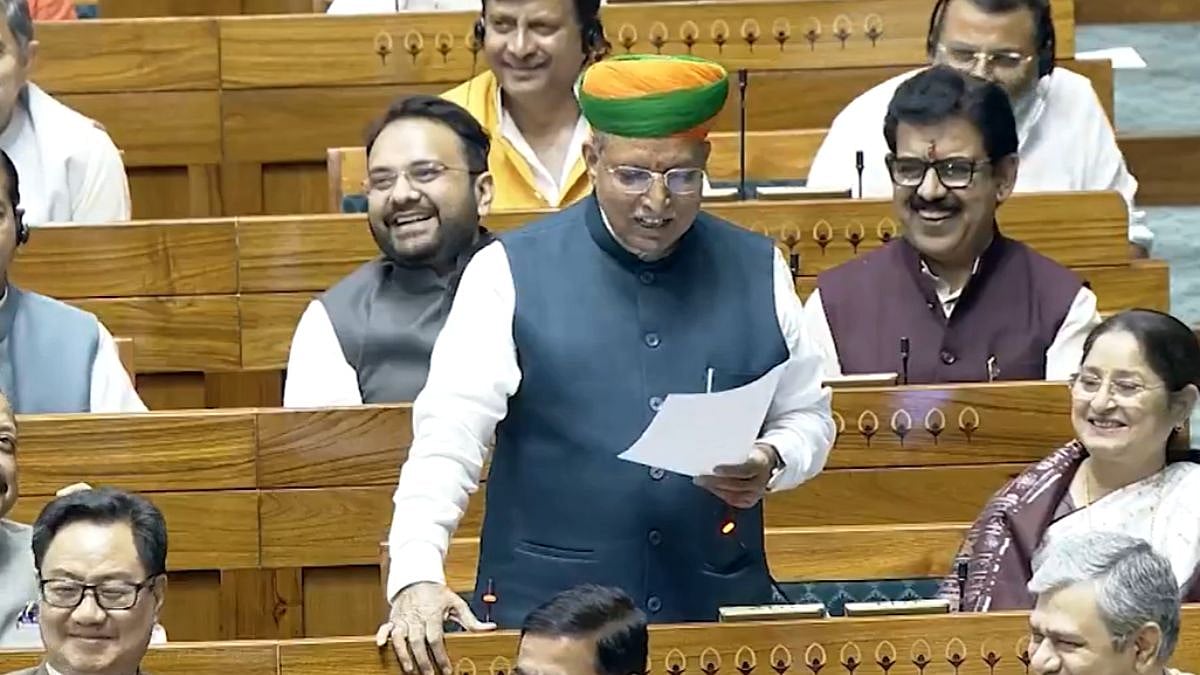
In a significant development for gender representation in Indian politics, Union Law Minister Arjun Ram Meghwal recently announced that under the proposed Women’s Reservation Bill, 272 out of the total 815 Lok Sabha seats are set to be reserved for women. This landmark move is seen as a crucial step towards enhancing women's participation in governance and ensuring that their voices are adequately represented in the legislative process.
The push for a women's quota in the Lok Sabha is driven by the persistent underrepresentation of women in Indian politics. Currently, women hold only around 14% of the seats in Parliament, which is significantly lower than many other countries. The Women’s Reservation Bill aims to address this disparity and promote gender equality in political representation, thereby fostering a more inclusive democracy.
Minister Meghwal outlined that the 33% quota for women will only come into effect after the next Census and the subsequent delimitation of constituencies. This means that the implementation of the reservation will be contingent on the completion of these critical processes, which are essential for accurate representation based on the latest demographic data. The delimitation process is particularly important as it will redraw the boundaries of constituencies based on the updated Census data, ensuring that the representation of women is based on current population statistics.
While the announcement has been met with enthusiasm from various quarters, there are also challenges that lie ahead. Critics have raised concerns about the timing of the implementation and whether the political landscape will be conducive to such a transformative change. Additionally, there are questions regarding how the reservation will be enforced and whether it will lead to genuine empowerment of women in politics or merely serve as a token gesture.
Globally, many countries have implemented similar quotas to enhance women's representation in politics. Nations like Rwanda and Mexico have made significant strides in increasing the number of women in their legislative bodies through mandatory quotas. These countries serve as examples of how political will and structured policies can lead to a more balanced representation. India's move towards a women's quota could position it alongside these nations, contributing to the global discourse on gender equality in governance.
The anticipated impact of the Women’s Reservation Bill extends beyond just the numbers. By ensuring that women have a substantial presence in Parliament, it is expected that issues affecting women and marginalized communities will receive more attention and priority in legislative discussions. Issues such as health care, education, and women's rights could see more robust advocacy and policy formulation if women legislators are empowered to contribute meaningfully.
The reception of the Women’s Reservation Bill among the public and political parties will be crucial to its success. Surveys indicate that there is significant public support for increased women’s representation in politics. Political parties will need to align their strategies and manifestos to not only support this initiative but also to actively promote women candidates. This could lead to a paradigm shift in how parties approach candidate selection and campaigning, ultimately changing the political landscape in India.
The announcement by Union Law Minister Arjun Ram Meghwal regarding the 33% reservation for women in the Lok Sabha marks a pivotal moment in India's legislative history. While it presents an opportunity for greater inclusivity and representation, it also calls for a concerted effort by all stakeholders to ensure its successful implementation. As the country prepares for the upcoming Census and delimitation processes, the focus must remain on fostering an equitable political environment where women can thrive and contribute to the governance of the nation.


Loading more news...
You've reached the end of our news feed. Check back later for more updates!