Health
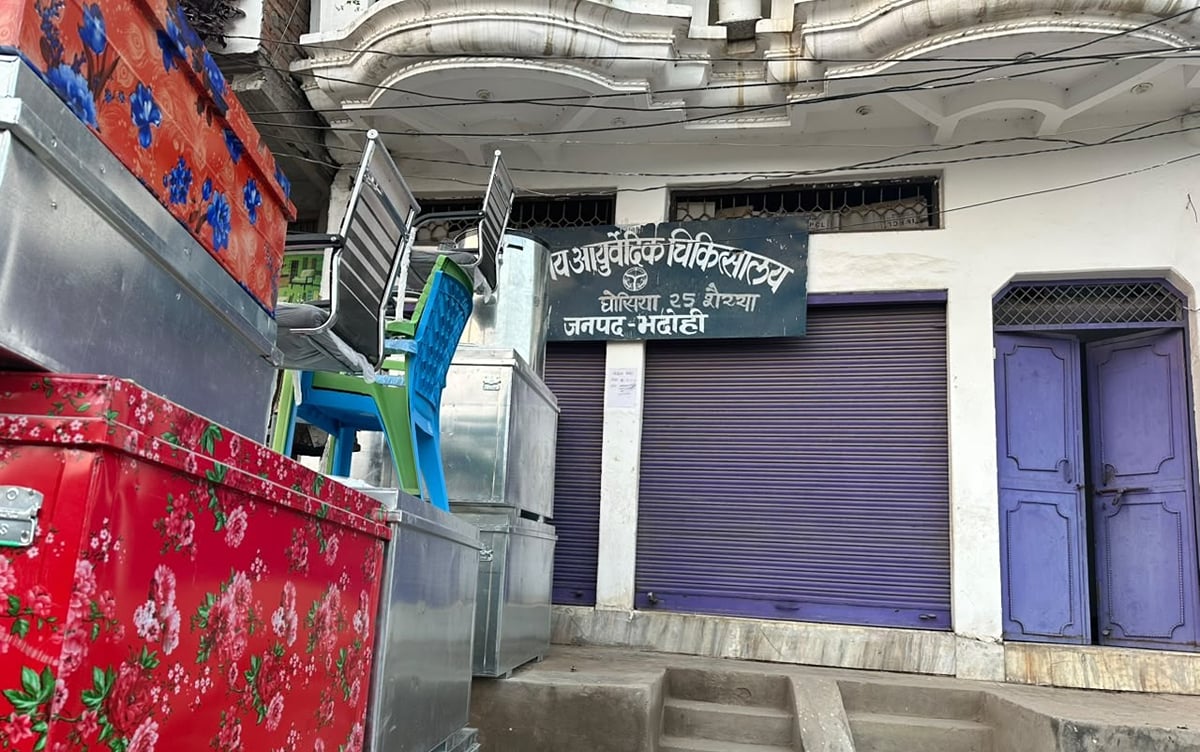
Bhadohi News: 26 में से 25 आयुर्वेद अस्पतालों में मरीजों को भर्ती करने के लिए एक भी बेड नहीं
October 9, 2026
1,115 views

In a significant development for the medical community, 33 units of the Government Doctors' Association have been elected unopposed in the recent elections held across the state. This outcome reflects a strong sense of unity and consensus among the members of the association, aimed at fostering better healthcare services for the public.
The newly elected leadership team is poised to steer the association towards addressing critical issues in the healthcare sector. Dr. B. Narahari has been elected as the president, bringing with him a wealth of experience and a vision for enhancing the welfare of government doctors. His leadership is expected to focus on improving working conditions, advocating for better pay, and addressing the challenges faced by healthcare professionals.
Dr. R. Lalu Prasad Rathod takes on the role of secretary general, a position that places him at the forefront of communication and coordination within the association. His responsibilities will include liaising with government bodies, health departments, and other stakeholders to ensure the voice of government doctors is heard in policy-making processes.
Completing the leadership trio, Dr. M.K. Rauf has been appointed as the treasurer. With a keen eye for financial management, Dr. Rauf will oversee the association's funds and ensure that resources are allocated effectively to support various initiatives aimed at improving healthcare services and member benefits.
In his acceptance speech, Dr. Narahari emphasized the importance of unity among the members of the Government Doctors' Association. He stated, “Our strength lies in our collective efforts. Together, we can address the challenges facing the healthcare system and work towards a more efficient and responsive healthcare environment.”
The newly elected office bearers plan to initiate a series of programs aimed at professional development and continuous medical education. These initiatives are designed to keep members updated on the latest medical practices and technologies, ultimately benefiting patient care.
As the new leadership takes charge, several pressing issues need immediate attention. One of the primary concerns is the shortage of medical staff in government hospitals, which has been a longstanding problem exacerbated by increasing patient loads. The association plans to advocate for more hiring and better retention strategies to ensure that patients receive timely and quality care.
Another significant issue is the need for improved healthcare infrastructure. Many government healthcare facilities face challenges such as outdated equipment, inadequate facilities, and lack of essential supplies. The association aims to work closely with the state government to secure funding and resources necessary for upgrading healthcare infrastructure.
In addition to internal challenges, the Government Doctors' Association is committed to enhancing its engagement with the community. Public awareness campaigns about health issues, preventive measures, and available healthcare services will be prioritized. By educating the public, the association hopes to promote healthier lifestyles and reduce the burden on healthcare facilities.
Furthermore, the elected leaders plan to establish outreach programs in underserved areas, ensuring that quality healthcare is accessible to all, regardless of their geographical location. This initiative is aligned with the association's mission to provide equitable healthcare services to every segment of the population.
As the newly formed leadership settles into their roles, the members of the Government Doctors' Association are optimistic about the future. The unopposed elections signify a robust foundation of trust and collaboration among the members, setting the stage for effective governance and advocacy.
With a clear roadmap for the upcoming years, the association is poised to tackle the challenges ahead and make significant strides in enhancing the healthcare system in the state. The focus will remain on professionalism, patient care, and the welfare of government doctors, ensuring that the association remains a vital force in the healthcare landscape.
In conclusion, the unopposed election of the 33 units of the Government Doctors' Association heralds a new era of leadership that is committed to addressing the pressing issues within the healthcare sector. With a dedicated team at the helm, the future looks promising for both healthcare professionals and the communities they serve.

Loading more news...
You've reached the end of our news feed. Check back later for more updates!