
Politics
धरना-प्रदर्शनों का नया कारोबार: लोकतंत्र की आड़ में आखिर किसके हित साधे जा रहे हैं?
October 10, 2026
1,612 views
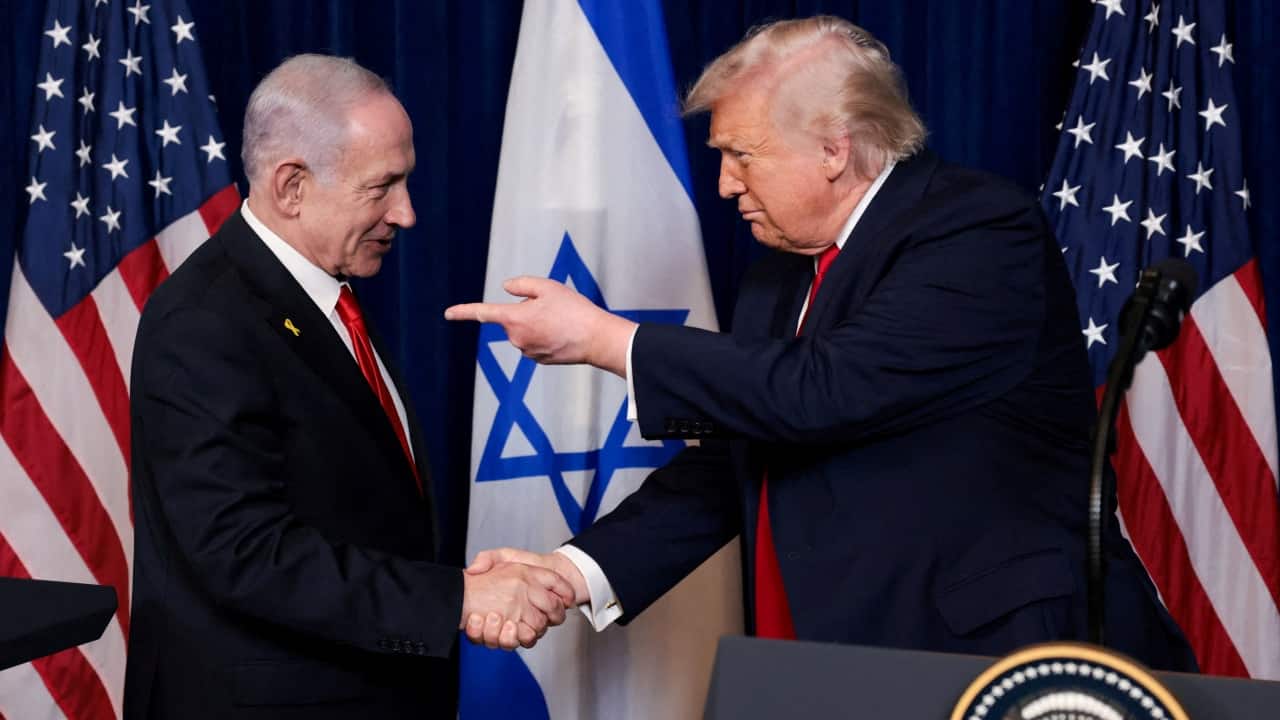
In a recent appearance on The Late Show with Stephen Colbert, former U.S. Secretary of State John Kerry shed light on the complex relationship between the United States and Israel regarding military strategies toward Iran. Kerry revealed that three past U.S. presidents—Barack Obama, George W. Bush, and Joe Biden—had all rejected Israeli Prime Minister Benjamin Netanyahu's proposals for military action against Iran. However, in a surprising turn of events, Donald Trump was the first president to agree to Netanyahu's war plan, raising questions about the implications of such a decision.
The relationship between the U.S. and Israel has been historically characterized by a strong alliance, especially in matters of regional security and military strategies. However, this partnership has not always meant unquestioned support for Israeli military plans. Kerry's statements highlight the nuanced dynamics at play, particularly regarding Iran—a country that has been viewed as a significant threat by both Israel and the U.S.
Kerry emphasized that during his tenure and in conversations with former presidents, there was a consistent reluctance to engage in military action against Iran without a comprehensive strategy. "Obama said no. Bush said no. President Biden said no," Kerry stated, underscoring a pattern of caution and deliberation among U.S. leaders regarding military interventions. This cautious approach reflects a broader strategy aimed at avoiding conflict escalation in the volatile Middle East region.
In stark contrast to his predecessors, Trump’s administration took a different path. Kerry noted that Trump was the first to give a nod to Netanyahu's aggressive stance toward Iran. This decision marked a significant shift in U.S. foreign policy and raised eyebrows among international observers. Under Trump's administration, the U.S. withdrew from the Iran nuclear deal, formally known as the Joint Comprehensive Plan of Action (JCPOA), which had been a cornerstone of diplomatic efforts to curb Iran's nuclear ambitions.
Trump's decision was celebrated by some as a bold move to counter what they perceived as a growing Iranian threat. However, it also led to increased tensions in the region, with critics arguing that it alienated U.S. allies and reduced the chances for diplomatic resolutions. The implications of this policy shift continue to reverberate in current geopolitical discussions, especially as Iran's nuclear capabilities evolve.
Kerry's revelations serve as a reminder of the delicate balance that U.S. presidents must maintain when dealing with Israel and Iran. The repercussions of Trump's agreement with Netanyahu are still being felt, particularly as the Biden administration navigates its own foreign policy strategy. Kerry, who played a key role in negotiating the Iran nuclear deal, emphasized the importance of diplomacy over military action.
Moreover, the former Secretary of State pointed out that military action often leads to unintended consequences. "You can't just bomb a country and expect it to solve the problem," he stated. This perspective aligns with the broader international community's calls for renewed diplomatic efforts to address Iran's nuclear program and regional ambitions. The Biden administration has expressed interest in returning to negotiations, but the path forward remains fraught with challenges.
The historical context of U.S. military interventions serves as a cautionary tale. From the Vietnam War to the conflicts in Iraq and Afghanistan, the consequences of military action can be far-reaching and complex. Kerry's insights highlight the need for a careful assessment of risks versus rewards when considering military engagement, particularly in a region marked by longstanding tensions and rivalries.
As the U.S. continues to grapple with its role in the Middle East, the lessons learned from past engagements must inform future policies. The rejection of Netanyahu's war plans by three consecutive presidents illustrates a commitment to seeking alternatives to military conflict, a principle that remains vital in today's geopolitical landscape.
The future of U.S.-Iran relations, and by extension U.S.-Israel relations, hinges on the ability to navigate a complex web of alliances, threats, and aspirations. As the international community watches closely, the importance of diplomacy, dialogue, and careful consideration of military options cannot be overstated. Kerry's recent comments serve as a reminder that the decisions made at the highest levels of government have far-reaching implications, shaping the course of history in profound ways.
In conclusion, John Kerry's revelations on The Late Show with Stephen Colbert shed light on the intricate dynamics of U.S.-Israel relations and the varying approaches taken by different administrations toward Iran. As the geopolitical landscape continues to evolve, the lessons from the past remain critical in shaping a future that prioritizes peace and stability over military action.


Loading more news...
You've reached the end of our news feed. Check back later for more updates!