
Politics
Elon Musk ups ante in Starlink row, sarcastically calls Ambani ‘Prime Minister’, alleges monopoly
October 9, 2026
802 views
\'$20B IN 13 DAYS?\': Hirono rips Pentagon over Iran war costs, targets Hegseth for girl school strike
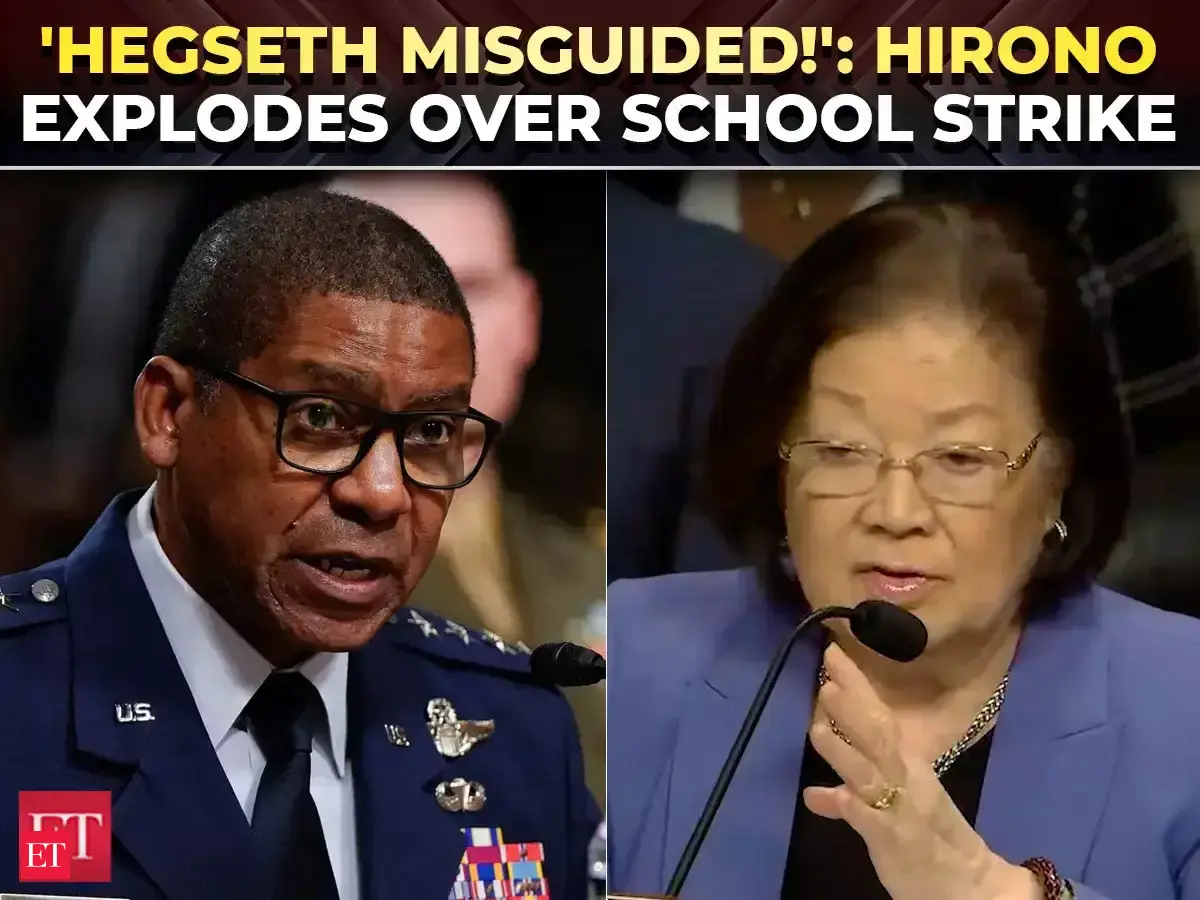
In a charged atmosphere on Capitol Hill, lawmakers gathered to question U.S. military leaders regarding the escalating conflict with Iran. The hearing, which took place amid growing tensions in the Middle East, focused not only on military strategy but also on the financial implications of the ongoing war and the humanitarian impact, particularly concerning civilian casualties. Senator Mazie Hirono (D-HI) emerged as a vocal critic during the session, raising alarms about the mounting costs associated with the conflict.
The hearing brought to light alarming estimates presented by Senator Hirono, who indicated that the conflict could already be costing the nation close to $20 billion. This figure is not just a statistic; it represents a significant financial burden on taxpayers and raises questions about the sustainability of military engagements without explicit congressional approval. Hirono expressed her concerns about the lack of transparency and oversight in military spending, emphasizing the need for a thorough examination of how resources are allocated in times of conflict.
As the discussion progressed, the issue of civilian casualties became a central focus. Military leaders were pressed to address how they are working to minimize harm to non-combatants in light of the operational challenges in Iran. The complexities of modern warfare, especially in densely populated urban areas, have made it increasingly difficult to avoid collateral damage. Senator Hirono pointed out that every civilian life lost not only represents a tragic outcome but also has the potential to fuel further animosity against the U.S. military presence in the region.
One of the most contentious points raised during the hearing was the question of congressional authorization for military action. Senator Hirono strongly criticized the decision to engage in the conflict without obtaining the necessary approval from Congress, highlighting the constitutional obligations that govern military interventions. She argued that such actions undermine the checks and balances that are fundamental to the U.S. democratic process. This concern resonates with many lawmakers who believe that the executive branch should not unilaterally engage the nation in conflict without legislative oversight.
U.S. military leaders present at the hearing defended their strategies and decisions, arguing that rapid responses are sometimes necessary to protect national security interests. They emphasized their commitment to conducting operations in a manner that prioritizes minimizing civilian casualties while achieving military objectives. However, the tension in the room was palpable as lawmakers expressed skepticism about the effectiveness of current strategies and the long-term consequences of U.S. involvement in the Iranian conflict.
The hearing reflects a broader concern among the American public regarding military expenditures and the ongoing conflicts abroad. Many citizens are questioning the effectiveness of U.S. military presence in the Middle East and its impact on domestic priorities. As the costs of war continue to rise, there is increasing pressure on lawmakers to reevaluate foreign policy strategies and military engagements. The political implications of these discussions are significant, as they can influence upcoming elections and shape the platforms of both major parties.
As tensions with Iran continue to escalate, the future of U.S.-Iran relations remains uncertain. The hearing served as a critical juncture for lawmakers to voice their concerns and hold military leaders accountable for their actions and decisions. It is clear that the complexities of the conflict require not only military solutions but also diplomatic efforts aimed at de-escalation and finding common ground. As the situation evolves, the need for a balanced approach that considers both military and humanitarian aspects will be crucial in shaping the future of U.S. involvement in the region.
The recent hearing on Capitol Hill underscores the urgent need for transparent dialogue regarding military operations and their implications for both national security and humanitarian concerns. With rising costs and increasing civilian casualties, lawmakers, led by figures like Senator Hirono, are demanding accountability and a reevaluation of military strategies. As the conflict with Iran continues, the discussions held in this tense hearing will likely resonate far beyond the halls of Congress, influencing public opinion and future policy decisions.
In conclusion, the intersection of military action, civilian safety, and congressional oversight remains a critical issue in the ongoing dialogue about U.S. foreign policy. The implications of these discussions will undoubtedly shape the landscape of international relations and military engagements in the years to come.

Loading more news...
You've reached the end of our news feed. Check back later for more updates!