Politics
Yamini Hits Out At Rahul Over Election Commission Allegations
Yamini Hits Out At Rahul Over Election Commission Allegations
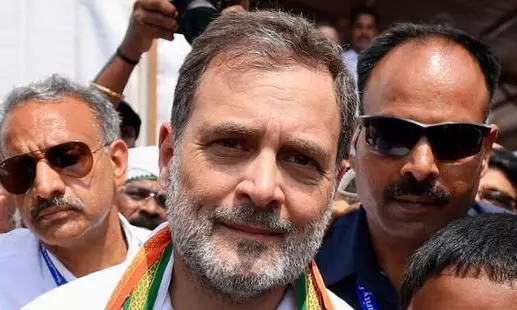
In a recent turn of events, Yamini Sarma has publicly criticized Congress leader Rahul Gandhi regarding his allegations against the Election Commission of India. Speaking to reporters, Sarma emphasized that every decision made by the Election Commission has been unanimous, countering Gandhi's claims of bias and partiality within the electoral body. The ongoing debate has sparked discussions about the integrity and credibility of the Election Commission, a pillar of India’s democratic framework.
Context of the Controversy
The backdrop to Sarma's statements lies in the recent elections, where accusations of electoral malpractice have surfaced. Rahul Gandhi has been vocal about his concerns, suggesting that the Election Commission's actions during the electoral process were influenced by political motives. He argued that the impartiality of the Commission is crucial for upholding the democratic values of the nation. Sarma, however, has refuted these claims, insisting that the Election Commission operates with transparency and fairness.
The Role of the Election Commission
The Election Commission of India plays a vital role in managing free and fair elections across the country. Established under Article 324 of the Indian Constitution, it is responsible for administering electoral processes at both the national and state levels. The Commission's decisions are expected to reflect a neutral stance, ensuring that all political parties have an equal opportunity to contest elections. Sarma’s assertion that the decisions were unanimous is intended to reinforce the idea that the Commission functions as an independent body, devoid of external pressures.
Sarma's Response and Political Ramifications
In her response, Yamini Sarma highlighted specific instances where the Election Commission acted in favor of maintaining electoral integrity, such as rigorous monitoring of campaign financing and ensuring compliance with the Model Code of Conduct. She argued that such measures are indicative of the Commission's commitment to uphold democratic principles. Sarma's remarks come at a time when political tensions are high, and every statement can significantly influence public perception. By defending the Election Commission, she aims to bolster faith in the electoral process and challenge the narrative set forth by opposition leaders.
Public Reaction and Media Coverage
The media has been quick to cover this developing story, with various outlets analyzing the implications of Sarma's comments. Public reaction has been mixed; while some support her defense of the Election Commission, others view it as an attempt to deflect scrutiny from the ruling party's electoral practices. Social media platforms have also become battlegrounds for opinions, with hashtags related to the Election Commission trending as users weigh in on the allegations and responses from both sides.
The Importance of Credibility in Elections
As the debate intensifies, the importance of maintaining the credibility of the Election Commission cannot be overstated. An electoral body perceived as biased can lead to widespread disillusionment among voters, ultimately undermining the democratic process. Sarma's attempt to clarify the stance of the Election Commission is a crucial step in reassuring the public about the legitimacy of the electoral system. In her view, the electoral process must be protected from undue political influence to preserve the trust of the electorate.
Looking Ahead: Future Implications
The ongoing discourse surrounding the Election Commission and its role in elections will likely continue to evolve as the political landscape shifts. With upcoming elections on the horizon, the effectiveness and impartiality of the Election Commission will be under increased scrutiny. Yamini Sarma's defense may serve to rally support for the Commission, but it also sets the stage for further debates and discussions about the electoral process in India. As political leaders navigate these challenges, the need for transparency and accountability remains a pressing issue that must be addressed to ensure the health of Indian democracy.
Conclusion
In conclusion, the exchange between Yamini Sarma and Rahul Gandhi highlights a significant moment in the ongoing conversation about electoral integrity in India. With allegations flying and the public's faith in democratic institutions at stake, the actions and statements of political leaders will play a crucial role in shaping public opinion. As the nation gears up for future elections, the credibility of the Election Commission and the integrity of the electoral process will remain central to the democratic discourse.
More News You Might Like

Loading more news...
You've reached the end of our news feed. Check back later for more updates!