
Business
Invetech & MeMed win 2026 Good Design Award Gold for MeMed Key™
October 9, 2026
2,539 views
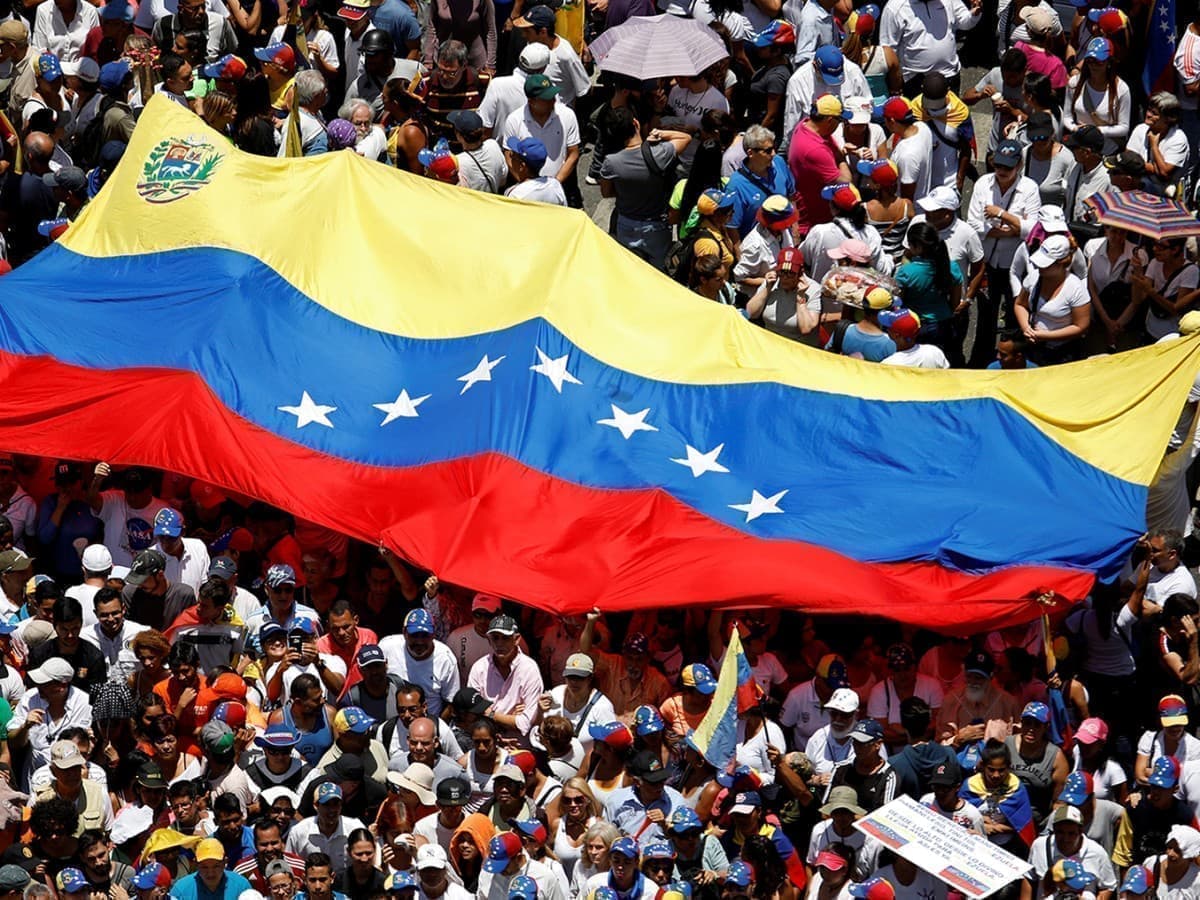
Just over a month since President Donald Trump’s decision to go to war with Iran, taken in the shadow of his military intervention in Venezuela, the contrast between the two is hard to ignore. One intervention is drifting into uncertainty, while the other is settling into something easily described as a success. As the world’s attention remains fixed on the volleys of missiles crossing the Middle East, the idea that Iran might follow Venezuela’s path now feels slightly absurd. For a moment, it was a compelling story of a quick and decisive victory against a regime that had long been viewed as a destabilizing force in the region. However, the realities on the ground in both nations tell a different story.
The situation in Venezuela has deteriorated over the past several years, driven by a combination of economic mismanagement, political corruption, and external pressures. The country's economy has been in freefall, with hyperinflation rendering the local currency nearly worthless and leading to widespread shortages of basic goods. In this chaotic environment, President Nicolás Maduro’s regime has faced mounting pressure from both domestic opposition and international actors, notably the United States. Trump’s administration has employed a variety of tactics, including sanctions and diplomatic isolation, to undermine Maduro’s grip on power.
The Venezuelan government’s failure to manage its oil-dependent economy has been a critical factor contributing to its downfall. Once one of the wealthiest countries in South America, Venezuela is now struggling with a humanitarian crisis that has driven millions to flee their homes in search of better living conditions. As the economic situation worsened, the opposition gained traction, calling for Maduro's ousting. The U.S. saw this as an opportunity to intervene, providing support to opposition leader Juan Guaidó and imposing sanctions aimed at crippling the Maduro regime.
In stark contrast to Venezuela, Iran has demonstrated a remarkable degree of resilience against external pressures. Despite facing severe sanctions from the United States and other countries, the Iranian government has managed to maintain its power and influence in the region. The geopolitical landscape surrounding Iran is complex, with a network of alliances and proxies that have allowed the regime to weather the storm. Iran's ability to project power through these proxies, such as Hezbollah in Lebanon and various militias in Iraq and Syria, has significantly bolstered its position.
While Venezuela has been isolated on the international stage, Iran has cultivated strong alliances with nations like Russia and China, which have provided critical support amidst U.S. sanctions. This geopolitical backing has allowed Iran to counteract the effects of economic pressure and maintain its regional ambitions. The Iranian leadership has framed the U.S. intervention as an imperialist threat, rallying nationalist sentiments among the populace and consolidating its power.
The public sentiment in both countries plays a crucial role in understanding the outcomes of external pressures. In Venezuela, widespread dissatisfaction with the Maduro government has fueled protests and calls for change. The population, fatigued by the economic collapse and authoritarian governance, has been more receptive to external support for regime change. Conversely, in Iran, the government has successfully harnessed national identity and anti-Western sentiment to bolster its legitimacy. Many Iranians view the U.S. as a historical adversary, which has led to a unifying effect in support of the regime during times of crisis.
This strong sense of nationalism in Iran, coupled with the regime's narrative of resistance against foreign aggression, has made it difficult for any internal movement for change to gain traction. The Iranian government has also been adept at using propaganda to frame its struggles in terms of sovereignty and dignity, further entrenching its position.
The contrasting outcomes of the U.S. interventions in Venezuela and Iran raise important questions about the effectiveness of foreign policy strategies. The Trump administration’s approach to both nations has been marked by a reliance on sanctions and military posturing, yet the results have been starkly different. As the situation in Venezuela remains precarious, with ongoing humanitarian crises and political instability, the Iranian regime continues to navigate the challenges posed by sanctions while maintaining a firm grip on power.
These divergent scenarios highlight the need for a more nuanced understanding of the complexities in each region. While it may be tempting to draw parallels between the two situations, the unique historical, social, and political contexts must be considered. Future U.S. interventions must take these factors into account to avoid repeating past mistakes and to develop strategies that can effectively support desired outcomes.
The lessons learned from the contrasting situations in Venezuela and Iran will undoubtedly shape U.S. foreign policy for years to come. As the world watches these two nations navigate their respective crises, the outcomes will influence not only regional stability but also the global balance of power. Understanding the underlying dynamics at play will be essential for policymakers aiming to engage effectively with both nations in the future.

Loading more news...
You've reached the end of our news feed. Check back later for more updates!