
Business
Invetech & MeMed win 2026 Good Design Award Gold for MeMed Key™
October 9, 2026
2,539 views
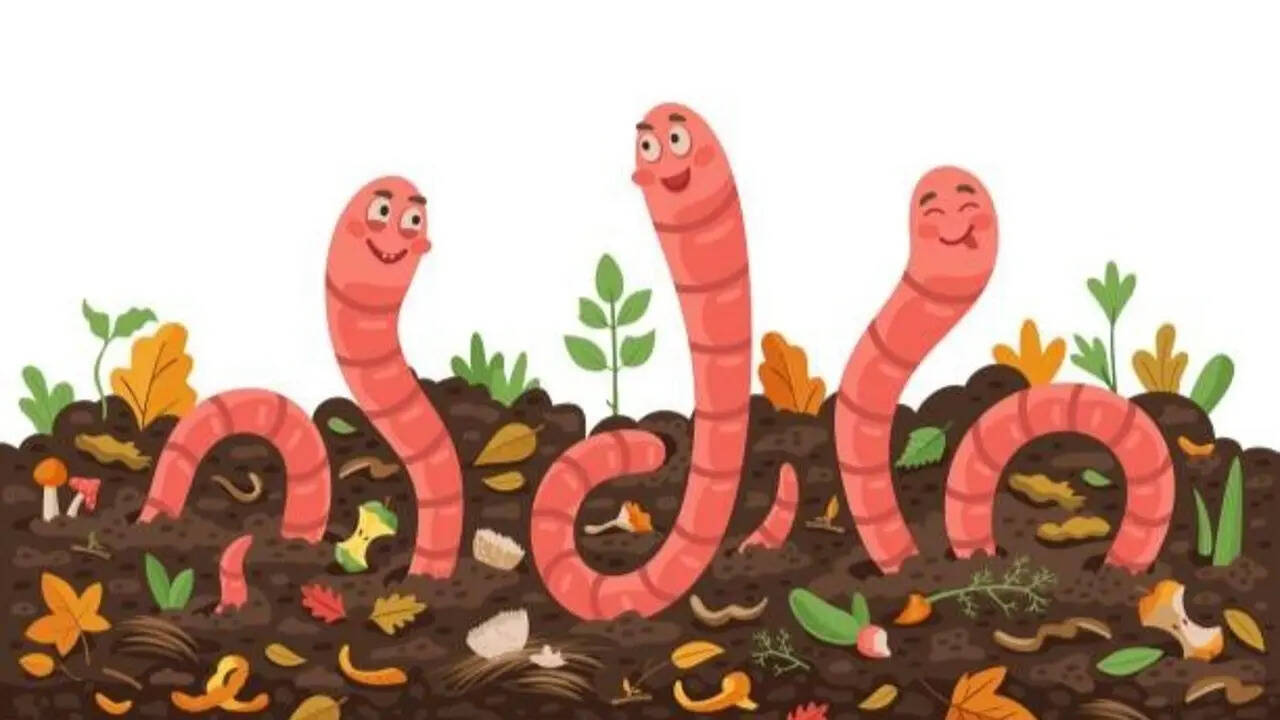
In the world of gardening, many elements contribute to a flourishing ecosystem, but few are as crucial as earthworms. These remarkable creatures play a pivotal role in enhancing soil quality, making them indispensable allies for any gardener. By burrowing through the soil, earthworms facilitate natural aeration, which is essential for root development and overall plant health. Moreover, they are nature's recyclers, breaking down organic matter and transforming it into nutrient-rich castings that serve as a natural fertilizer. This article delves into the myriad ways earthworms contribute to a vibrant garden, highlighting their importance in sustainable gardening practices.
Soil aeration is a fundamental aspect of gardening that is often overlooked. When earthworms burrow, they create channels in the soil that allow air, water, and nutrients to penetrate more deeply. This aeration process leads to improved drainage and reduces soil compaction, which can suffocate plant roots and inhibit growth. As a result, plants have better access to the oxygen they need to thrive. Healthy soil aeration also encourages the proliferation of beneficial microorganisms, which further enhances soil health.
One of the most significant contributions of earthworms is their ability to convert organic waste into valuable nutrients for plants. As they consume decaying leaves, food scraps, and other organic matter, they break it down in their digestive systems. The end product is known as worm castings, which are rich in essential nutrients like nitrogen, phosphorus, and potassium. These castings not only provide immediate nutrition for plants but also improve soil structure and moisture retention.
The presence of earthworms in the garden significantly benefits the microbial community in the soil. They help to create a balanced ecosystem by promoting the growth of beneficial microorganisms, such as bacteria and fungi, which are essential for nutrient cycling. These microorganisms work in tandem with earthworms to decompose organic matter and release nutrients in forms that plants can readily absorb. By fostering a diverse microbial population, earthworms contribute to a more resilient garden ecosystem.
Earthworms play an integral role in improving soil structure. Their castings help bind soil particles together, creating a crumbly texture that enhances water retention and drainage. This improved soil structure allows roots to expand more freely, facilitating better nutrient uptake. As earthworms continue to burrow and create tunnels, they also promote the movement of water and air through the soil, which is vital for maintaining soil fertility.
Incorporating earthworms into gardening practices aligns perfectly with sustainable gardening principles. Instead of relying on chemical fertilizers, which can harm beneficial soil organisms and lead to long-term soil degradation, gardeners can cultivate a healthy population of earthworms. This can be achieved through practices such as adding organic matter like compost, mulching, and practicing minimal tillage. By prioritizing earthworm health, gardeners can create a self-sustaining ecosystem that reduces reliance on external inputs.
If you want to benefit from the myriad advantages that earthworms offer, here are some effective strategies to attract them to your garden:
Earthworms are not just simple soil-dwelling creatures; they are vital contributors to healthy gardening. By improving soil aeration, transforming organic waste into nutrients, and supporting a diverse ecosystem of microorganisms, earthworms play a crucial role in fostering a thriving garden environment. Embracing these natural allies in your gardening practices not only leads to healthier plants but also promotes sustainability and resilience in the garden. So, the next time you dig into your garden soil, remember the essential role that earthworms play and take steps to ensure their presence in your green space.


Loading more news...
You've reached the end of our news feed. Check back later for more updates!