
Science
NASA’s Curiosity Rover Unveils a Spectacular New View of Mars at Dawn
October 19, 2026
1,185 views
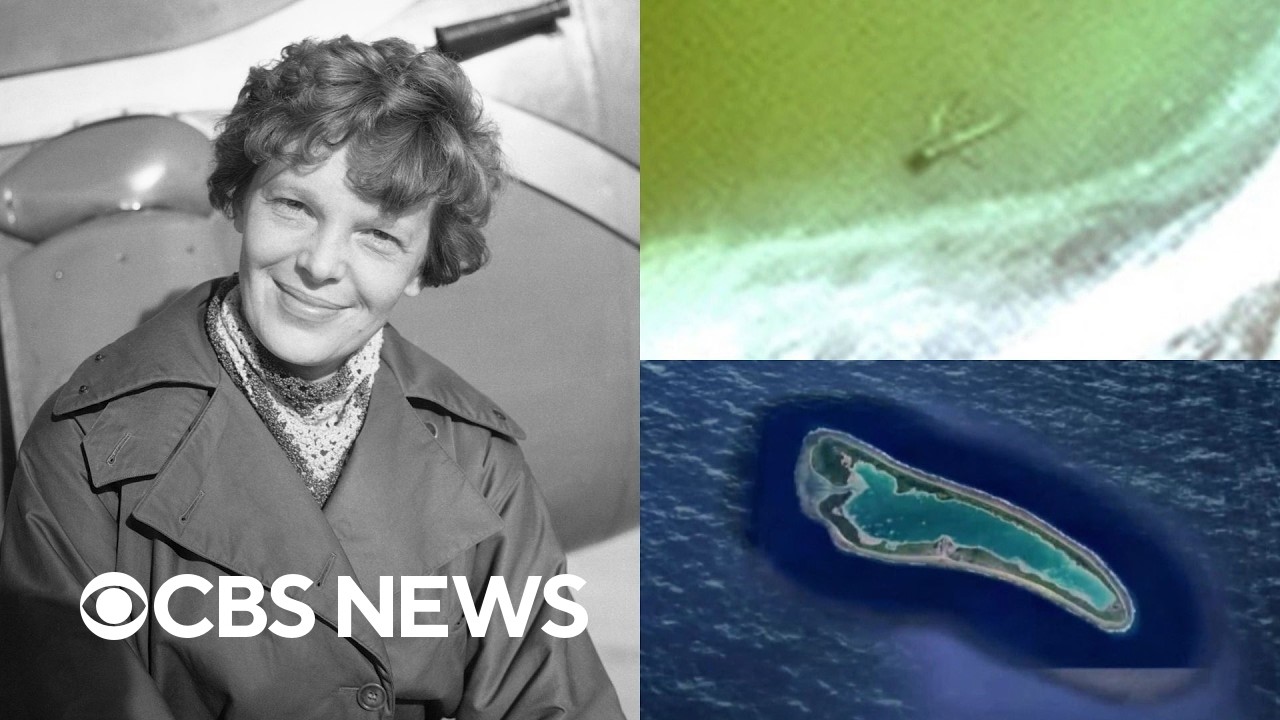
Amelia Earhart, a name that resonates with adventure and mystery, has intrigued historians, aviation enthusiasts, and the general public for decades. In a daring effort to unravel her fate, a dedicated team of researchers embarked on an expedition to Nikumaroro Island, a remote paradise in the Pacific Ocean. This expedition, laden with hope and curiosity, seeks to uncover the secrets of Earhart’s disappearance and the truth behind the enduring enigma of her long-lost plane.
Amelia Earhart, the first female aviator to fly solo across the Atlantic Ocean, vanished on July 2, 1937, during her attempt to circumnavigate the globe. Her last known position was near Howland Island, a tiny island in the central Pacific. Despite extensive search efforts at the time, no trace of her or her Lockheed Electra aircraft was ever found. This absence has led to numerous theories about her fate, ranging from crash landings to survival on a deserted island.
The mystery surrounding her disappearance has inspired countless books, documentaries, and even movies. Some theories suggest that Earhart and her navigator, Fred Noonan, may have landed on Nikumaroro Island, where they could have perished after failing to attract rescue efforts. The remote island is a focal point for many researchers who believe it could hold the key to solving this aviation mystery.
In a recent endeavor, a team of researchers, equipped with advanced technology and a passion for history, set sail for Nikumaroro Island. Their goal was not just to search for the plane but to gather evidence that could either confirm or refute the various theories surrounding Earhart’s fate. Utilizing sonar equipment, they scanned the ocean floor while simultaneously conducting surface searches on the island itself.
This expedition is part of a series of investigations organized by the International Group for Historic Aircraft Recovery (TIGHAR), an organization dedicated to solving the mystery of Earhart's disappearance. Their methodology combines historical research, archaeological exploration, and modern technology to create a comprehensive approach to this decades-old puzzle. The team also included historians and forensic experts to analyze any findings critically.
During their expedition, researchers discovered several intriguing objects that could potentially be linked to Earhart’s plane. Among these were metal pieces and artifacts that might indicate human presence on the island around the time of her disappearance. One significant find was a piece of aluminum that some experts believe could be part of Earhart's aircraft.
In addition to the metallic finds, the team documented various signs of habitation, such as remnants of possible campfires and items that could have been used for survival. These discoveries fuel speculation about the possibility that Earhart and Noonan managed to survive for some time after their plane went down.
Modern technology has significantly advanced the search for Amelia Earhart. The use of underwater drones and advanced sonar systems allows researchers to explore depths that were previously unreachable. This technology is not only crucial for locating potential wreckage but also for mapping the underwater terrain around Nikumaroro Island, providing a clearer picture of what lies beneath the waves.
In addition to underwater exploration, the expedition also utilized ground-penetrating radar to search for signs of human activity on the island itself. This technology can detect anomalies beneath the surface, leading researchers to potential burial sites or remnants of the aircraft.
The quest to find Amelia Earhart has captured the imagination of the public, leading to increased interest in aviation history and exploration. Documentaries and news reports about the expedition have brought renewed attention to the mystery, inspiring a new generation of explorers and historians. As the story unfolds, it serves as a reminder of the spirit of adventure and the human desire to uncover the unknown.
Moreover, the expedition highlights the importance of preserving history and understanding our past. The ongoing search for Earhart’s plane is not just about solving a mystery but also about honoring the legacy of a pioneering woman who broke barriers in aviation.
As the researchers analyze their findings and prepare for future expeditions, the mystery of Amelia Earhart remains alive. Each new discovery brings us one step closer to understanding what happened on that fateful day in 1937. With ongoing advancements in technology and a dedicated team committed to uncovering the truth, hope remains that the fate of Amelia Earhart will one day be resolved.
The quest to solve the mystery of Amelia Earhart is far from over. With each expedition, researchers inch closer to the truth, and the story of this extraordinary aviator continues to inspire and captivate audiences around the world.


Loading more news...
You've reached the end of our news feed. Check back later for more updates!