Politics
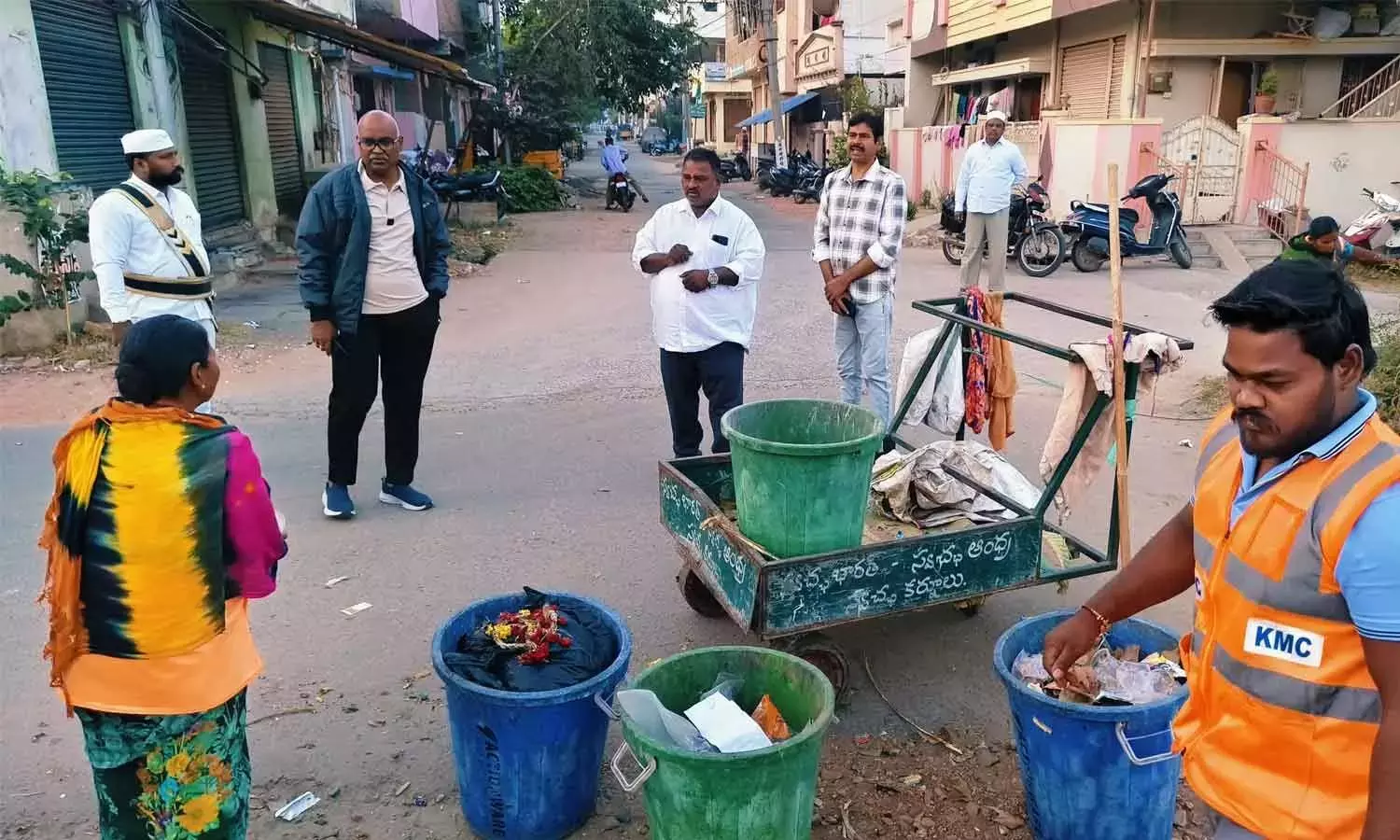
स्वच्छता कार्य में लापरवाही पर कड़ी कार्रवाई होगी: केएमसी आयुक्त
November 19, 2026
2,481 views

In a recent development that has captured the attention of the agricultural and milling sectors in Telangana, the Telangana Rice Millers Association (TRMA) has raised a clarion call for an end to surprise raids conducted by various authorities on rice mills across the state. The association, representing the interests of numerous rice millers, has put forward a comprehensive list of 13 demands aimed at ensuring fair practices and better operational conditions for millers.
The rice milling industry plays a pivotal role in Telangana’s economy, providing employment and supporting the livelihoods of thousands. However, the association has voiced concerns regarding the increasing frequency and nature of surprise raids, which they claim disrupt operations and create an atmosphere of intimidation among millers. These inspections, often unannounced, are perceived as a means to enforce compliance with various regulations, but millers argue that they are excessively stringent and lack transparency.
The TRMA's 13 demands encompass a wide range of issues that they believe are critical for the sustainability and growth of the rice milling sector. Among these demands is a call for an end to surprise raids, which they argue should be replaced by a more systematic approach to inspections that respects the operational realities of millers.
Additionally, the association is advocating for a fair CMR (Custom Milling Rice) framework that would ensure equitable pricing and compensation for millers. They assert that the current system does not adequately reflect the costs incurred by millers during the milling process, leading to financial strain and operational challenges.
Another significant demand is for the implementation of scientific testing of paddy with separate standards for Kharif and Rabi seasons. This differentiation is crucial, they argue, as it acknowledges the varying quality and characteristics of paddy harvested in different seasons. By establishing these standards, millers can better prepare for the milling process and ensure higher quality rice is produced.
The rice milling sector is not only vital for the agricultural economy but also for the broader economic landscape of Telangana. The demands put forth by the TRMA, if addressed, could lead to a more stable and profitable environment for millers. This stability could translate to job creation, improved livelihoods for local farmers, and a boost to the state’s economy.
Furthermore, the association emphasizes that addressing these issues is critical for maintaining the quality and integrity of the rice produced in the state. Ensuring that millers can operate without the fear of arbitrary inspections will allow them to focus on improving their processes and providing quality products to consumers.
As the TRMA continues to advocate for their demands, the government has been urged to engage in dialogue with the association to address these pressing issues. Stakeholders believe that a collaborative approach can lead to solutions that benefit both the millers and regulatory bodies. The need for transparency and mutual respect in enforcement practices is paramount for fostering a conducive working environment.
Looking ahead, the resolution of these demands could set a precedent for how agricultural industries are regulated in Telangana. By taking the concerns of rice millers seriously, the government has the opportunity to strengthen the agricultural sector while ensuring compliance with necessary regulations. This balance is essential for sustainable growth and prosperity in the region.
The Telangana Rice Millers Association's plea for an end to surprise raids and their comprehensive list of demands reflect the challenges faced by the milling industry. As the situation develops, it will be crucial for both the government and millers to work collaboratively to ensure a fair, transparent, and effective framework that supports the industry while maintaining necessary regulatory standards. The future of rice milling in Telangana hangs in the balance, and the actions taken today will shape the landscape of this vital sector for years to come.


Loading more news...
You've reached the end of our news feed. Check back later for more updates!