Politics
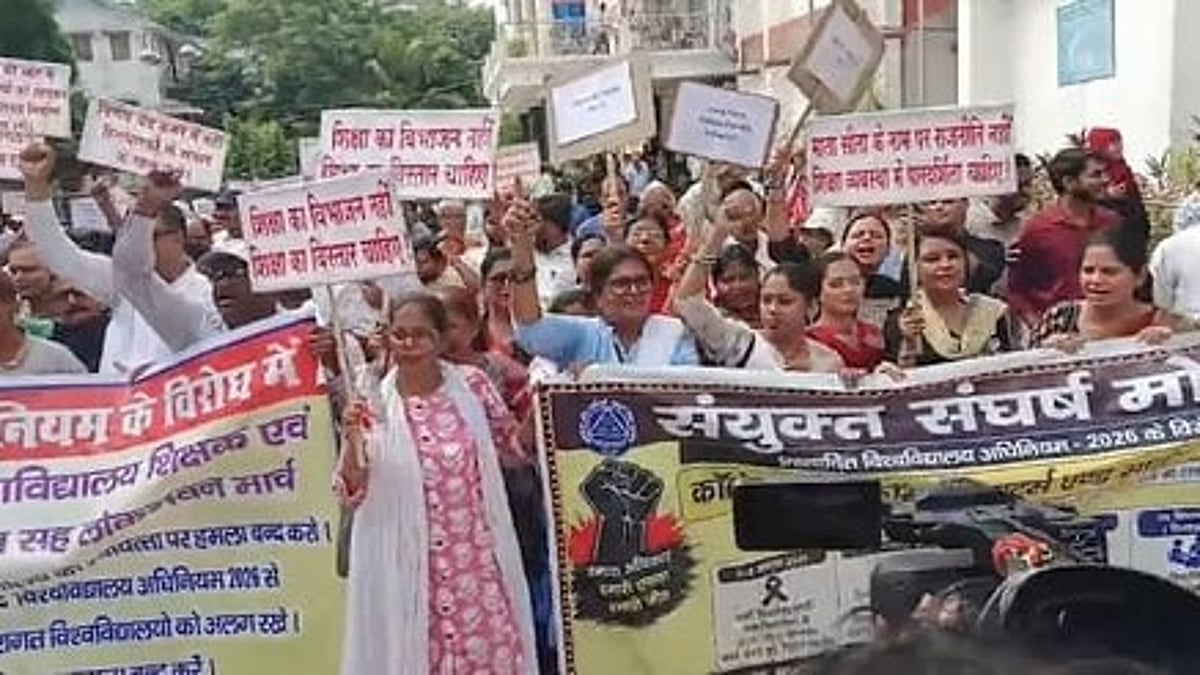
Bihar: Over 50 held in protest against Mata Sita women’s university
October 10, 2026
1,707 views

Recent findings from the Telangana caste survey have revealed significant demographic and economic data regarding the Reddy community. The survey indicates that the Reddy population constitutes approximately 4.8% of the total population in the state. More notably, this community holds ownership of around 13.5% of the land across Telangana. This information is vital as it provides insights into the socio-economic status and landholding patterns within the region.
The Reddys are one of the prominent landowning communities in Telangana, historically known for their influence in agriculture and politics. The recent survey results highlight their significant presence in land ownership, which has implications for both economic stability and political representation in the region. The data suggests that while they comprise a small percentage of the overall population, their land ownership is disproportionately high compared to other communities.
Land ownership is a critical factor in determining the economic power of a community. The Reddy's ownership of 13.5% of the total land in Telangana positions them as a substantial stakeholder in the state’s agricultural economy. This ownership can influence various sectors, including real estate, farming, and local governance. Additionally, it raises questions about land distribution equity and the dynamics of wealth among different communities in the state.
The caste survey conducted in Telangana is a pivotal tool for understanding the demographic landscape of the state. It provides a comprehensive overview of various communities, allowing for informed policy making and resource allocation. By showcasing the Reddy community's population and land ownership statistics, the survey aids in highlighting the need for targeted development programs that can assist underrepresented groups while recognizing the contributions of established communities.
Despite their significant land holdings, the Reddy community, like many others, faces challenges such as agricultural sustainability, economic diversification, and access to modern farming techniques. The survey's findings could lead to discussions on how to leverage their land ownership to foster innovation in agriculture, promote cooperative farming initiatives, and enhance overall productivity. Furthermore, recognizing their socio-economic status can help in formulating policies that ensure equitable growth across all communities in Telangana.
The political landscape in Telangana is also shaped by the demographics revealed in the caste survey. The Reddys have historically played a crucial role in state politics, often holding key positions in government. Their land ownership and population size give them a considerable voice in legislative matters, influencing policies that affect agricultural practices and rural development. Understanding their demographic weight can help political parties strategize their outreach and engagement efforts.
As Telangana continues to grow and evolve, the insights gained from the caste survey, especially concerning the Reddy community, must inform future development strategies. It is essential to foster an environment where all communities can thrive, ensuring that land ownership translates into economic opportunities for everyone. The state must aim for inclusive development that recognizes and uplifts all demographics, creating a balanced approach to growth that benefits the entire population.
In conclusion, the Telangana caste survey not only sheds light on the demographics of the Reddy community but also serves as a foundational tool for understanding the complexities of land ownership and its implications for socio-economic development. By leveraging this data, policymakers can work towards creating a more equitable future for all communities in Telangana.


Loading more news...
You've reached the end of our news feed. Check back later for more updates!