
Politics
Bihar: Over 50 held in protest against Mata Sita women’s university
October 10, 2026
1,707 views
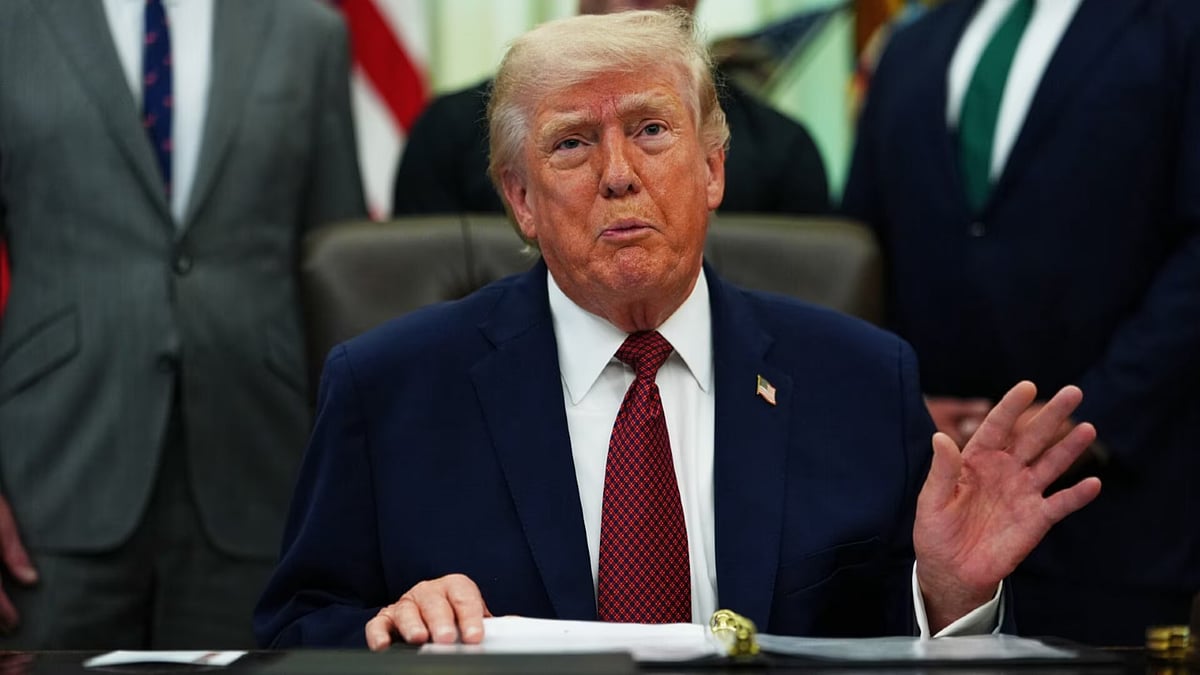
In a dramatic escalation of tensions in the Gulf region, US President Donald Trump has issued a stark warning to Iran following the latter's temporary closure of the strategically vital Strait of Hormuz. This incident occurred less than 24 hours after the strait was reopened, prompting concerns over the implications for international shipping and regional stability. The Strait of Hormuz, a crucial chokepoint for global oil supplies, sees about one-fifth of the world's oil trade pass through its waters.
The Strait of Hormuz has long been a flashpoint in Middle Eastern geopolitics, serving as a critical maritime route for oil tankers and cargo vessels. Iran's repeated threats to close the strait are often seen as a leverage tactic in response to economic sanctions imposed by the United States and its allies. The strait's closure would have dire consequences for global oil prices and could potentially trigger military confrontations in the region.
President Trump, addressing reporters at the White House, emphasized that Iran's recent actions demonstrate its weakened position on the global stage. He stated, "Tehran cannot blackmail the United States or our allies. Their attempts to disrupt maritime traffic will not be tolerated." This statement underscores the Trump administration’s hardline stance against Iran, particularly in light of the ongoing tensions stemming from the 2015 nuclear deal withdrawal.
The closure of the Strait of Hormuz, even if temporary, sends ripples through the global oil market. Analysts have expressed concern that any prolonged disruption could lead to significant spikes in oil prices, impacting economies worldwide. Oil prices rose sharply in response to the news, reflecting market anxiety over the potential for further escalations. The US has emphasized its commitment to ensuring the free passage of vessels through the strait, which is vital for maintaining stability in oil markets.
Reactions to the closure and Trump's warning have been mixed. Some European nations have called for diplomatic solutions, urging both sides to de-escalate tensions. Meanwhile, Middle Eastern allies of the US have expressed support for Trump's tough stance on Iran, viewing it as necessary to contain Iranian influence in the region. The situation raises questions about the effectiveness of diplomatic efforts and the potential for military involvement.
The ongoing hostilities between the US and Iran continue to strain relations, with both sides showing little willingness to compromise. Trump's administration has maintained a policy of maximum pressure against Tehran, aiming to curb its nuclear ambitions and regional aggression. As the situation develops, experts predict that further confrontations are likely unless a diplomatic breakthrough can be achieved.
The closure of the Strait of Hormuz by Iran has ignited a fierce response from the United States, with President Trump asserting that Tehran can no longer manipulate the situation to its advantage. The international community watches closely as the potential for conflict looms large, and the future of US-Iran relations hangs in the balance. As both sides navigate this complex geopolitical landscape, the stakes remain high for regional stability and global economic security.

Loading more news...
You've reached the end of our news feed. Check back later for more updates!