
Politics
Why has US paused visa appointments worldwide? Here’s what Trump’s latest immigration crackdown means for Indian applicants
August 26, 2026
1,175 views
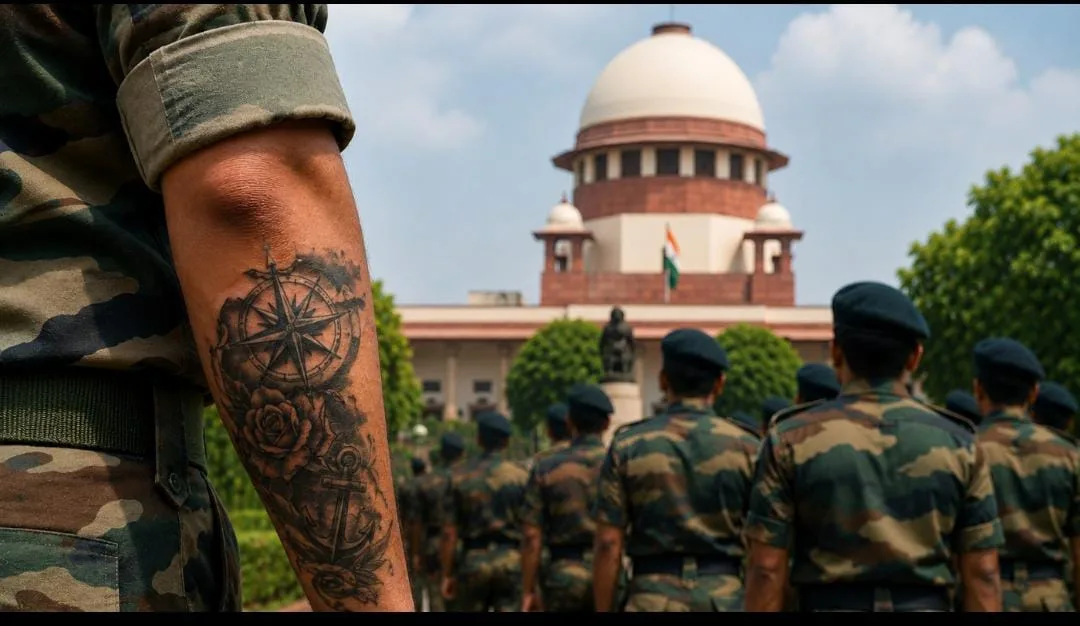
A recent Delhi High Court ruling has reignited the debate over tattoos and government employment. This decision came in response to a case where an applicant was disqualified from a government position due to the presence of visible tattoos. The court's ruling has sparked discussions about personal expression, societal norms, and the evolving landscape of employment criteria in public sectors.
The applicant, who had applied for a position in a government department, was informed that their tattoos were against the recruitment guidelines. The guidelines, which were often ambiguous, suggested that visible tattoos might be deemed unprofessional or in conflict with the decorum expected of government employees. The applicant challenged this decision, arguing that tattoos are a form of personal expression and should not be a basis for disqualification.
During the hearings, the applicant's counsel presented a strong argument, highlighting that tattoos are increasingly common in modern society and that many individuals view them as a means of self-expression. They emphasized that the presence of a tattoo does not reflect an individual's competence or ability to perform their job effectively. On the other hand, the government representatives defended the existing guidelines, asserting that maintaining a certain standard of appearance is essential in public service roles.
The Delhi High Court ultimately ruled in favor of the applicant, stating that disqualifying candidates based on the presence of tattoos is unreasonable and discriminatory. This has significant implications for government jobs across India, suggesting that such policies may need to be reevaluated to align with contemporary views on personal expression. The court's decision could pave the way for further challenges against similar hiring practices, encouraging a more inclusive approach in the public sector.
As societal perceptions of tattoos evolve, there is a growing acceptance of them across various professions. Many industries, especially in creative fields, have embraced tattoos as a form of individuality and creativity. The ruling by the Delhi High Court may signal a broader shift, indicating that government and public sector roles may need to adapt to these changing norms.
In light of this ruling, it is likely that government departments will review their hiring policies to ensure they are fair and do not discriminate against individuals based on their appearance. This could lead to the establishment of clearer guidelines that take into account the diversity of personal expression while maintaining professional standards.
The ruling has prompted a wide range of reactions from the public. Supporters of the decision argue that it promotes inclusivity and reflects a modern understanding of personal identity. Critics, however, express concerns that this might lead to a dilution of professional standards in government roles. The discussion surrounding this issue is likely to continue, as more individuals with tattoos enter the workforce.
The Delhi High Court's ruling on tattoos and government jobs marks a significant moment in the ongoing debate about personal expression and employment standards. As society becomes more accepting of diverse forms of self-expression, it is essential for employment policies to evolve accordingly. This case could serve as a precedent, encouraging other jurisdictions to reconsider their stance on tattoos and to foster a more inclusive and equitable hiring process for all individuals.


Loading more news...
You've reached the end of our news feed. Check back later for more updates!