
Science
Henri Kagan wins Nobel Prize at 95: Check out his contributions to chemistry and pharmacy
October 9, 2026
2,834 views
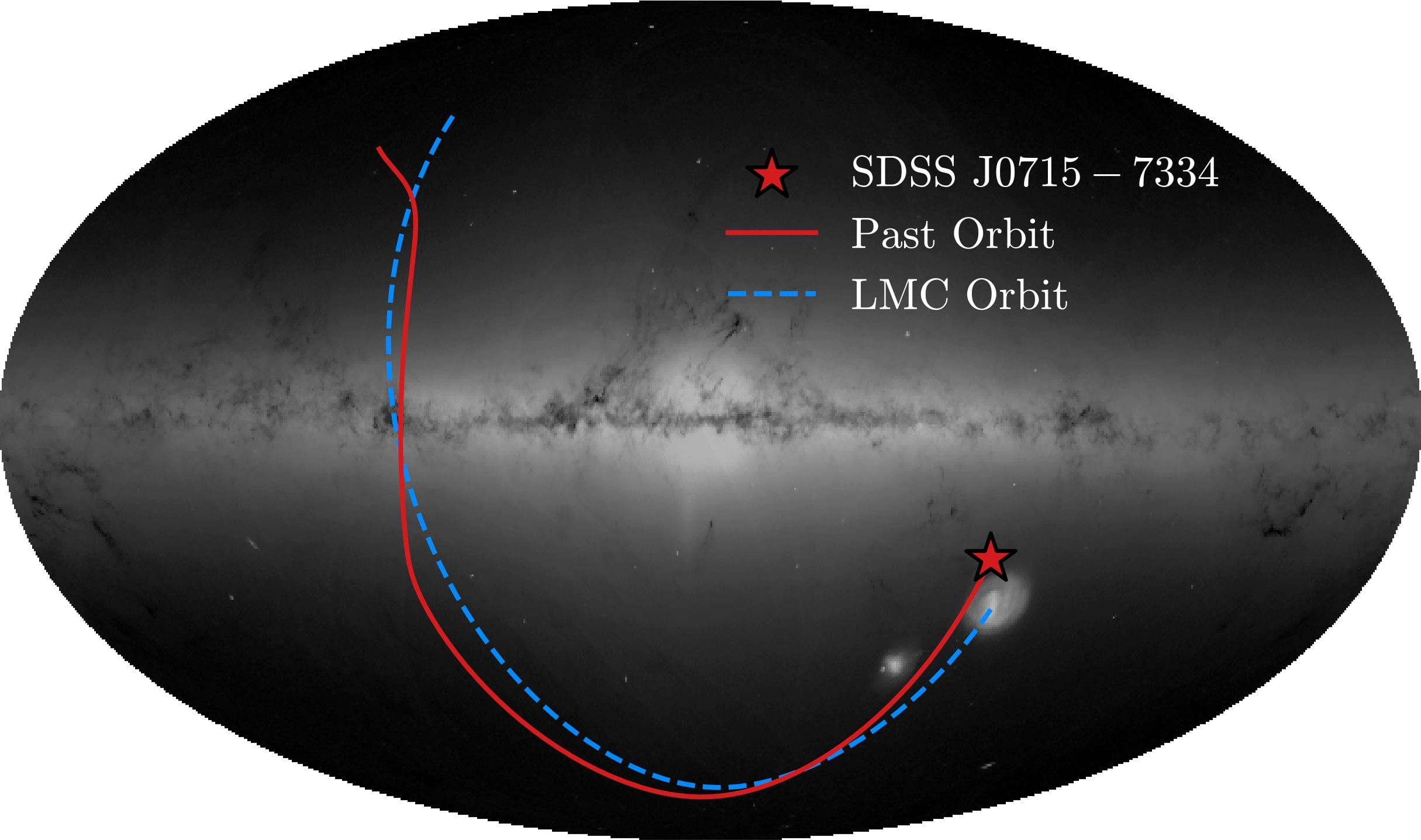
In a remarkable discovery, a team of undergraduate students at the University of Chicago has unearthed an ultra-ancient star that is raising questions about the early universe. This star, identified as one of the oldest known stars in the universe, possesses a strikingly low concentration of heavy elements, indicating that it is one of the most pristine stars ever found. What makes this discovery even more intriguing is the revelation that this star likely formed in a different galaxy before drifting into the Milky Way.
The significance of this discovery cannot be overstated. Ultra-ancient stars such as this one provide critical insights into the conditions of the early universe. They are like time capsules, preserving the chemical composition and characteristics of the universe when it was just beginning to form. The star's low metallicity—a term used in astrophysics to refer to the abundance of elements heavier than hydrogen and helium—suggests it formed during a time when the universe was still young and had not yet undergone the extensive chemical enrichment that followed the formation of the first generations of stars.
The discovery was made during a research project focused on analyzing data from the SkyMapper telescope, which surveys the southern sky. The students, under the guidance of their professors, utilized advanced software tools to sift through immense datasets, enabling them to identify stars that exhibit the peculiar characteristics associated with ancient stars. Their findings were further corroborated by follow-up observations using the Keck Observatory in Hawaii, confirming the star's age and composition.
One of the most fascinating aspects of this ancient star is its origin. The data suggests that this star likely formed in a smaller, now-defunct galaxy, which was absorbed by the Milky Way billions of years ago. This phenomenon is not entirely uncommon; smaller galaxies often merge with larger ones, and their stars can wander into the larger galaxy's halo. This star serves as a reminder of the dynamic history of the universe, showcasing how galaxies evolve and interact over cosmic timescales.
This discovery highlights the significant role that undergraduate research can play in advancing our understanding of astrophysics. The students involved in this project not only gained invaluable hands-on experience in data analysis and observational astronomy but also contributed to a finding that has the potential to shift the paradigm of our understanding of the formation of stars and galaxies. The faculty at the University of Chicago emphasized the importance of providing students with opportunities to engage in real-world scientific research, fostering a new generation of scientists who may make groundbreaking discoveries in the future.
As researchers continue to explore the cosmos, discoveries like this ancient star open up new avenues for investigation. Scientists are now more motivated than ever to search for other ancient stars that may still be lurking in the Milky Way or nearby galaxies. With advancements in technology and observational techniques, the future looks promising for uncovering more secrets of the universe's past. The study of such stars could provide crucial information about the formation of elements, the evolution of galaxies, and the overall history of the cosmos.
The discovery of this ultra-ancient star by a group of undergraduate students at the University of Chicago is a testament to the power of curiosity and innovation in science. It not only enriches our understanding of the universe's history but also inspires a new generation of young astronomers and astrophysicists. As we continue to seek answers to the fundamental questions about our universe, such findings remind us of the intricate and often surprising pathways that lead to the formation of the stars that illuminate our night sky. The journey of this ancient star from its birth in a distant galaxy to its current home in the Milky Way is a compelling narrative that underscores the interconnectedness of galaxies and the cosmos as a whole.


Loading more news...
You've reached the end of our news feed. Check back later for more updates!