
Politics
CJI Surya Kant urges law graduates to uphold justice, defend liberty and remain true to values
October 17, 2026
1,286 views
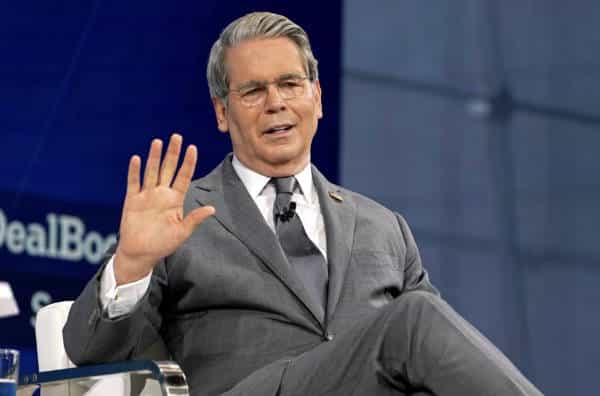
In a significant address this morning, Treasury Secretary Scott Bessent made headlines by challenging long-standing perceptions about Iran's military and economic capabilities. Bessent stated emphatically that Iran is essentially "done" in both arenas, indicating a substantial reduction in the nation's ability to engage in military conflicts or sustain its economy. His remarks come amidst increasing tensions and scrutiny of Iran's actions on the global stage, particularly in relation to its pursuit of nuclear capabilities and its support for proxy groups in the Middle East.
Bessent elaborated on the dire situation facing Iran, emphasizing that the U.S. government's strategy of economic asphyxiation is taking a toll on the regime. The Treasury Secretary explained that the United States is implementing a stringent regime of zero-tolerance sanctions aimed at crippling Iran's ability to finance military operations and support its various affiliates across the region. These sanctions have targeted key sectors of the Iranian economy, including oil exports, banking, and trade, leading to a significant decline in revenue.
“The reality is that Iran has little left to fight with,” Bessent said. “Their military capabilities are dwindling, and their economic resources are severely limited.” This assertion resonates with many analysts who have observed the Iranian economy struggling under the weight of U.S. sanctions, which have exacerbated inflation, unemployment, and public discontent.
For years, there has been a prevailing belief that Iran possesses a resilient economy capable of withstanding external pressures. However, Bessent’s assessment seeks to dismantle this notion, painting a picture of a regime that is increasingly vulnerable. He noted, “The myths surrounding Iran's strength have been perpetuated for too long. It’s time we recognize the truth: this regime is on shaky ground.”
The Secretary pointed out that while Iran has attempted to project strength through propaganda and military posturing, the reality on the ground tells a different story. Reports from within the country indicate widespread dissatisfaction among the populace, with protests erupting over economic hardships and government mismanagement. Bessent emphasized that the U.S. will remain steadfast in its approach until there is a fundamental change in Iran’s behavior.
While Bessent focused heavily on Iran, he also touched upon the broader geopolitical landscape, including the role of allies like Canada. The Treasury Secretary acknowledged that the U.S. cannot tackle the Iranian issue alone and highlighted the importance of international collaboration. “Canada has been a steadfast partner in our efforts to hold Iran accountable, and we will continue to work together to ensure that our strategies align,” he stated.
As part of this collaboration, both the U.S. and Canada have been engaging in discussions to strengthen sanctions and ensure that violators are held accountable. Bessent underscored the importance of a unified front, stating, “The more we can coordinate our efforts, the more effective we will be in applying pressure on the Iranian regime.”
In closing, Scott Bessent promised that the U.S. will "get to the other side" of the current crisis with Iran. He expressed confidence that continued pressure will lead to a change in Iran’s policies and behavior. “We are committed to ensuring that Iran cannot threaten its neighbors or the world with its military ambitions,” he declared.
The Secretary’s remarks are likely to spark further debate and analysis regarding the efficacy of U.S. sanctions and the overall strategy towards Iran. As the situation evolves, the international community will be watching closely to see how these dynamics unfold and what implications they may have for regional stability and global security.
In light of Bessent's statements, it becomes increasingly clear that the narrative surrounding Iran is shifting. As the U.S. continues to tighten the economic noose, the question remains: how long can the Iranian regime sustain its grip on power amidst growing internal and external pressures? The answers to these questions will shape not only the future of Iran but also the broader geopolitical landscape in the Middle East and beyond.


Loading more news...
You've reached the end of our news feed. Check back later for more updates!