
Politics
Bihar: Over 50 held in protest against Mata Sita women’s university
October 10, 2026
1,707 views
Saudi Crown Prince summons Pak PM Shehbaz Sharif to solicit security support
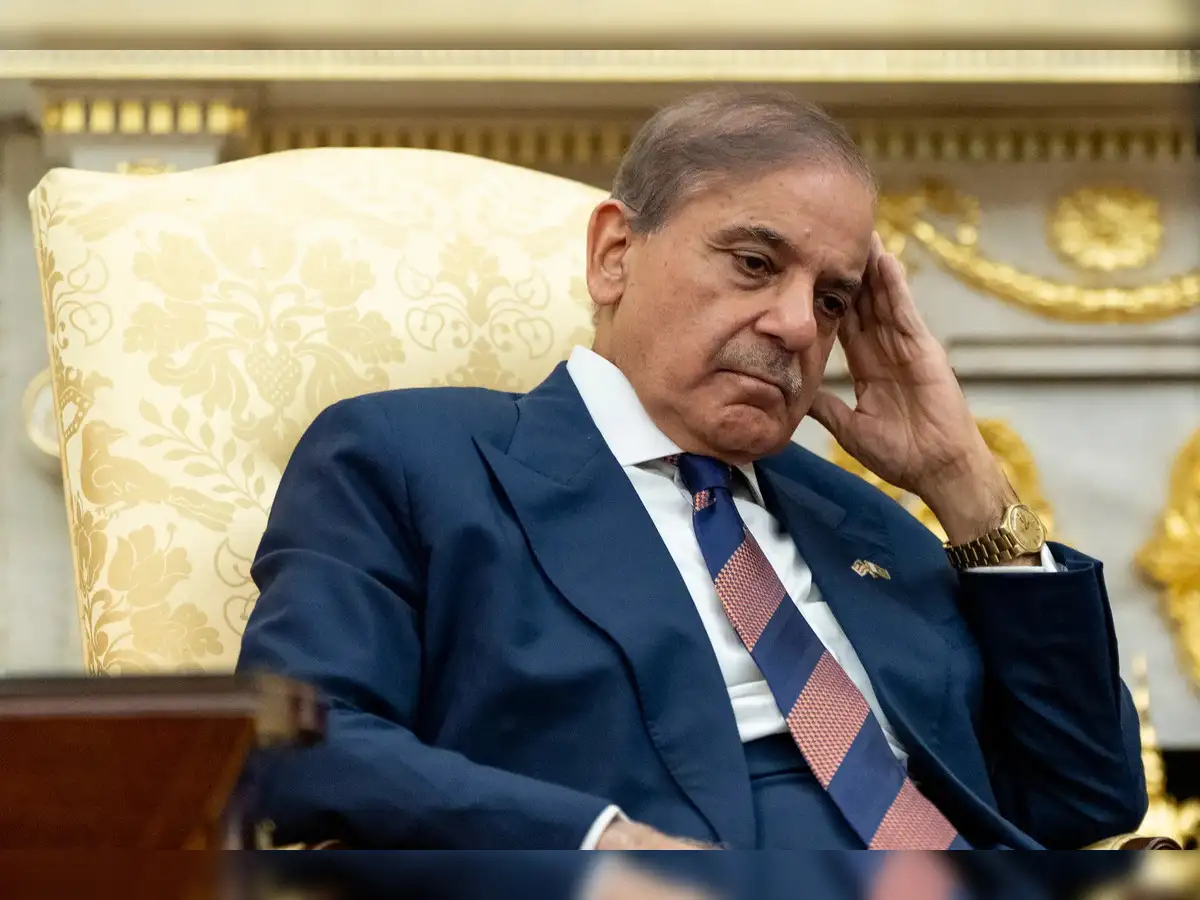
In a strategic move reflecting the shifting dynamics in regional geopolitics, Saudi Arabia has reached out to Pakistan, seeking its backing in light of the ongoing tensions resulting from the Iran war. The Kingdom has summoned Pakistani Prime Minister Shehbaz Sharif for a crucial meeting with Crown Prince Mohammed bin Salman in Jeddah, signaling a desperate need for solidarity against potential threats from Iran. This development comes on the heels of a visit by Pakistan’s army chief to Saudi Arabia, underscoring the deepening military ties between the two nations.
The current conflict involving Iran has raised alarms across the Middle East, prompting neighboring countries to reassess their security strategies. As Iran continues to assert its influence in the region, neighboring states like Saudi Arabia are increasingly concerned about their national security. The Iranian regime has been accused of backing militant groups and conducting aggressive maneuvers that threaten the stability of the Gulf region. Saudi Arabia, therefore, is eager to bolster its defenses and strengthen alliances with key partners, particularly Pakistan, which has historically played a significant role in regional security.
Last year, Saudi Arabia and Pakistan signed a defense pact aimed at enhancing military cooperation and addressing mutual security concerns. This agreement serves as a framework for both nations to collaborate on defense strategies, intelligence sharing, and joint military exercises. The timing of this renewed diplomatic engagement suggests that Riyadh is leveraging this pact to bolster its defense capabilities in anticipation of potential Iranian aggression.
Prime Minister Shehbaz Sharif's upcoming meeting with Crown Prince Mohammed bin Salman is poised to be a pivotal moment in the bilateral relations between Saudi Arabia and Pakistan. This high-level engagement not only reflects the importance of military cooperation but also signifies the need for a united front in the face of regional threats. The discussions are expected to cover a range of topics, including security collaboration, economic partnerships, and perhaps even broader regional issues that affect both countries.
Pakistan's geographic position and military capabilities make it a key player in the Gulf region. As a nuclear-armed state with a significant military presence, Islamabad has the potential to act as a counterbalance to Iranian influence in the region. Furthermore, Pakistan's longstanding relationship with Saudi Arabia, characterized by mutual aid and support, positions it as a crucial ally for Riyadh in times of crisis. The Kingdom is likely to seek assurances from Pakistan regarding its commitment to the defense pact, especially as tensions with Iran continue to escalate.
The strengthening of ties between Saudi Arabia and Pakistan could have far-reaching implications for the broader Middle Eastern geopolitical landscape. A closer alliance may embolden both nations to take more assertive stances against Iranian actions, potentially leading to a realignment of regional power dynamics. Moreover, this partnership might encourage other nations in the region to reassess their alliances and security arrangements, as the threat of Iranian expansionism looms large.
The international community is closely monitoring developments in the Saudi-Pakistan relationship, particularly in light of the Iran war. Western nations, especially the United States, have expressed concerns regarding Iran's actions and the potential for further conflict in the region. The strengthening of the Saudi-Pakistan alliance could be viewed as a counterweight to Iranian influence, influencing the broader strategies of Western nations in the Middle East. Additionally, countries like India and China, with vested interests in the region, are likely to reassess their diplomatic strategies in response to this evolving alliance.
The forthcoming meeting between Prime Minister Shehbaz Sharif and Crown Prince Mohammed bin Salman marks a significant juncture in Saudi-Pakistan relations. As both nations navigate the complexities of regional geopolitics, their collaboration under the defense pact may play a crucial role in shaping the security landscape of the Middle East. The implications of this partnership could extend beyond bilateral cooperation, influencing the strategies of various regional and global powers as they respond to the challenges posed by Iran.


Loading more news...
You've reached the end of our news feed. Check back later for more updates!