Health
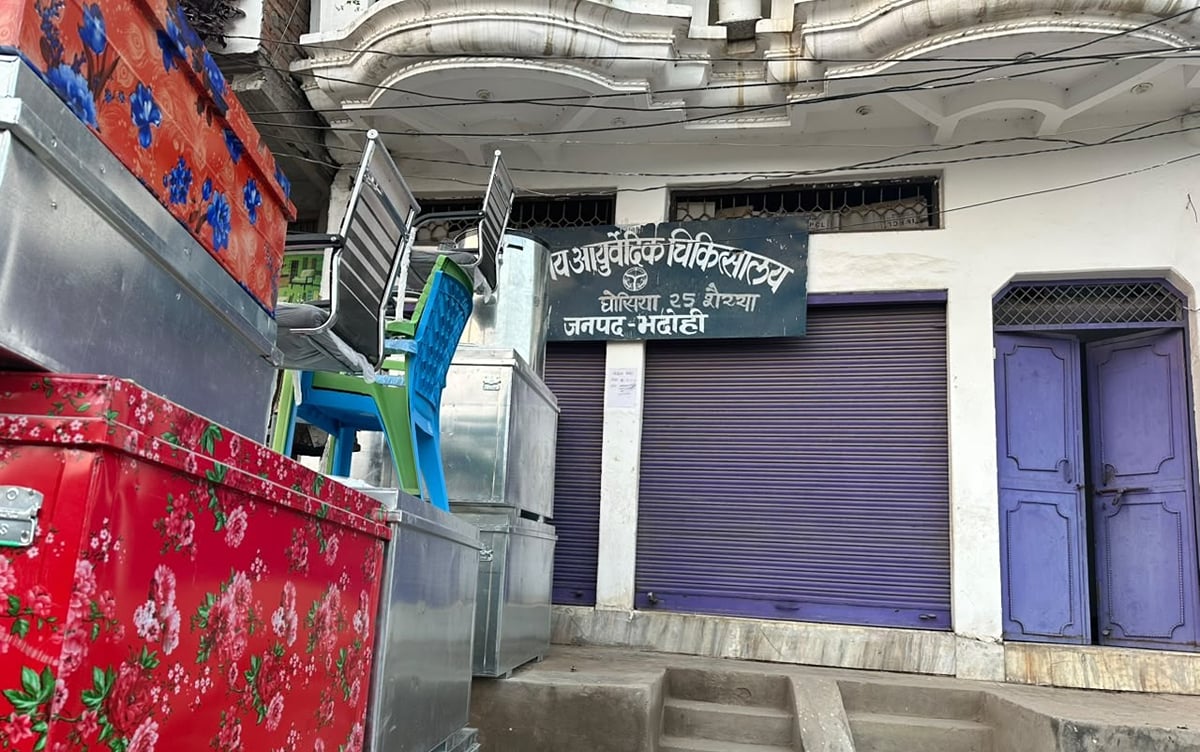
Bhadohi News: 26 में से 25 आयुर्वेद अस्पतालों में मरीजों को भर्ती करने के लिए एक भी बेड नहीं
October 9, 2026
1,115 views

(MENAFN - IANS) Islamabad, April 24 (IANS) Pakistan's treatment of religious minorities, particularly Sikh and Hindu women, remains deeply troubling, with human rights reports, including those from international organizations, highlighting a disturbing trend of abductions and forced conversions. The case of Sarabjit Kaur has once again brought this issue to the forefront, igniting widespread outrage and concern among human rights activists, community leaders, and the international community.
Sarabjit Kaur, a young Sikh woman from Pakistan, was reportedly abducted in early April 2023 in the Punjab province. Following her abduction, it was alleged that she was forcibly converted to Islam and married off to a Muslim man against her will. This incident has not only raised questions about the safety and rights of religious minorities in Pakistan but also highlighted the inadequacies of the legal framework that is supposed to protect them. The disappearance of Sarabjit is not an isolated case; it reflects a broader pattern of systematic violations faced by minority communities.
The practice of abducting women from minority communities and forcing them into conversion and marriage is not new in Pakistan. Numerous reports from human rights organizations have documented similar cases over the years, revealing a grim reality for many Sikh and Hindu families. These incidents often go unreported due to cultural stigma, fear of reprisals, and a lack of faith in the judicial system. The plight of Sarabjit Kaur has reignited calls for reform and protective measures for vulnerable individuals facing such threats.
Pakistan's legal system offers some degree of protection for religious minorities; however, enforcement remains weak. The Sindh Child Marriage Restraint Act, for instance, prohibits marriage under the age of 18, but it is frequently overlooked in cases involving forced conversions. Additionally, the lack of clear legal definitions around forced conversions complicates the prosecution of perpetrators. Activists argue that without significant reforms, including the establishment of strict penalties for abduction and forced conversion, minority communities will continue to live in fear.
The Sikh and Hindu communities in Pakistan have expressed their outrage over Sarabjit Kaur's case, rallying together to demand justice and accountability. Community leaders have called for a nationwide campaign to raise awareness about the plight of religious minorities and to put pressure on the government to take decisive action. Advocacy groups are urging the international community to take note of these violations and to apply diplomatic pressure on Pakistan to fulfill its commitments to human rights.
The international response to the abduction and forced conversion of religious minorities in Pakistan has been mixed. While some countries and organizations have condemned these practices, calling for immediate action and support for victims, others remain silent, often prioritizing diplomatic relations over human rights issues. This inconsistency highlights the challenges faced by activists who seek to bring attention to these critical issues on a global scale.
Media coverage plays a crucial role in highlighting the plight of religious minorities. Investigative reports and human interest stories can create public awareness and pressure authorities to act. However, sensationalist reporting can also lead to backlash against these communities, complicating their struggle for justice. Responsible journalism that focuses on the facts and human experiences behind such incidents is essential to foster understanding and solidarity.
To address the crisis of abductions and forced conversions in Pakistan, a multifaceted approach is needed. This includes the implementation of robust legal protections, community education programs on rights, and international advocacy for minority rights. Collaboration between local organizations, government bodies, and international human rights entities can create a framework for change that ensures the safety and dignity of all citizens, regardless of their religious affiliations.
The case of Sarabjit Kaur is a tragic reminder of the ongoing challenges faced by religious minorities in Pakistan. As the situation continues to unfold, it is imperative that the voices of those affected are heard, and that meaningful action is taken to prevent further violations. Only through collective effort can there be hope for a future where all individuals, regardless of their faith, can live freely and safely.

Loading more news...
You've reached the end of our news feed. Check back later for more updates!