
Business
‘Grief Burns Like Fever’: This novel is a flashback of depravity during the surreal pandemic years
October 10, 2026
3,447 views
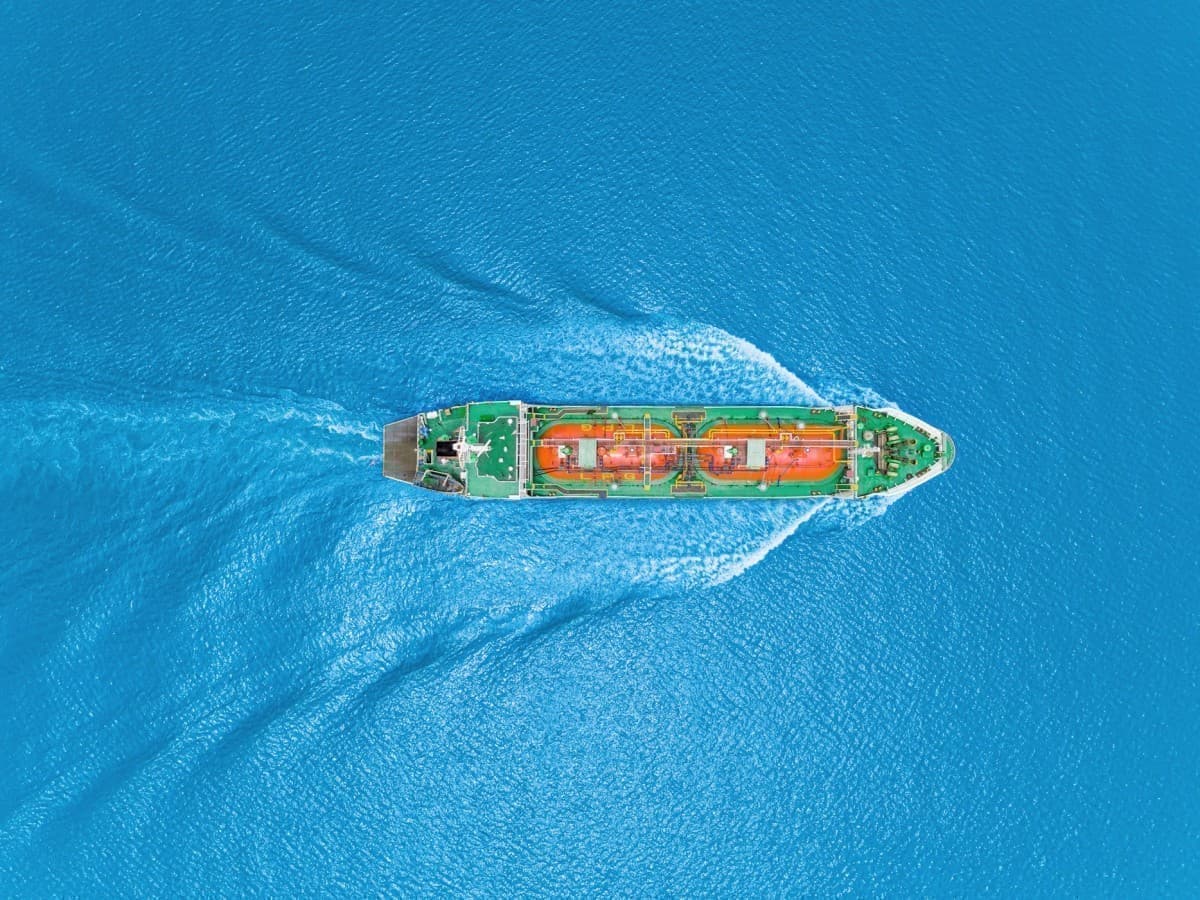
Ukrainian President Volodymyr Zelenskyy has criticized an easing of sanctions on Russian energy, writing on X that "every dollar paid for Russian oil is money for the war." His statement on April 19 comes after the United States prolonged its Russian oil waiver earlier in the week, with figures showing that Moscow nearly doubled its oil revenue in March amid soaring energy prices as Iran continues to disrupt shipping on the crucial Strait of Hormuz. Zelenskyy claimed that more than 110 tankers from Russia’s shadow fleet are currently at sea, further complicating global efforts to limit Russia’s financial resources.
The recent extension of the Russian oil waiver by the United States has raised alarm bells among international observers and geopolitical analysts. This decision, while aimed at stabilizing global energy markets, has inadvertently provided a lifeline to the Russian economy, enabling it to fund its ongoing military operations in Ukraine. The increase in oil revenues has been significant, with reports indicating that Russia's earnings from oil exports surged by nearly 50% in March alone. This financial boost comes at a time when the Kremlin is heavily reliant on energy exports to sustain its military campaign.
As global energy prices continue to fluctuate due to various geopolitical tensions and market dynamics, Russia has found itself in a favorable position. The country’s ability to sell oil, despite sanctions, has been bolstered by rising demand in certain markets, particularly in Asia. The increased revenue has enabled the Russian government to allocate more resources towards military funding, which has direct implications for the ongoing conflict in Ukraine.
Zelenskyy’s mention of Russia's shadow fleet is particularly concerning. This fleet, comprising tankers operating outside of standard maritime regulations, has been instrumental in circumventing sanctions. These vessels often change their names and flags, making it difficult for authorities to track their movements. As of now, over 110 of these tankers are reportedly transporting Russian oil, primarily to markets that do not enforce sanctions rigorously. This has allowed Russia to continue profiting from its oil exports while undermining international efforts to isolate its economy.
The ongoing situation has significant geopolitical ramifications. The easing of sanctions not only empowers Russia but also sends a mixed signal to other nations regarding the consequences of aggression. Countries observing the West's response to Russian actions may interpret the waiver as a sign of weakness or indecision, potentially emboldening further military ambitions by other states. This situation requires careful diplomatic navigation to ensure that the balance of power is maintained and that aggressors are held accountable.
The global energy market is in a state of flux, influenced by multiple factors including geopolitical tensions, climate change initiatives, and shifting consumer demands. The disruption in the Strait of Hormuz, a critical chokepoint for oil shipments, has further exacerbated these issues. Iran's activities in the region have created a precarious situation that has led to increased volatility in oil prices, benefiting Russia's oil revenues in the short term.
As energy prices soar, countries reliant on Russian oil may find themselves facing moral and ethical dilemmas. The question arises: how can nations balance their energy needs with the imperative to support Ukraine and uphold international law? The complexity of the energy market, coupled with the political ramifications of purchasing Russian oil, forces many governments to reconsider their strategies and alliances.
The international community's response to this evolving situation has been varied. While some countries continue to impose strict sanctions on Russia, others have sought to maintain energy ties, often citing economic necessity. This has led to a fragmented approach to sanctions enforcement, with some nations effectively undermining collective efforts to pressure Russia. The challenge lies in creating a unified front that can effectively address the issue while also considering global energy security.
Zelenskyy’s appeal for a stronger stance against Russian energy imports highlights the urgency of the situation. He has called on the international community to recognize that every dollar spent on Russian oil contributes to the ongoing war effort, underscoring the need for a reevaluation of current policies. The urgency of the matter is reflected in the discussions among Western leaders about potential new sanctions and measures to curb Russia's oil revenues.
As the conflict in Ukraine continues and the geopolitical landscape evolves, the interplay between energy markets and international relations will remain a critical focal point. The decisions made in the coming months will have lasting implications for global security, economic stability, and the future of international law. The situation calls for a concerted effort to find solutions that both support Ukraine and address the legitimate energy needs of nations around the world.
In conclusion, the easing of sanctions on Russian energy has significant consequences not only for Ukraine but for global security as a whole. The international community must grapple with the complexities of energy dependence while seeking to hold Russia accountable for its actions. The path forward will require innovative thinking, diplomatic finesse, and a commitment to uphold the principles of peace and stability in the face of aggression.


Loading more news...
You've reached the end of our news feed. Check back later for more updates!