Politics
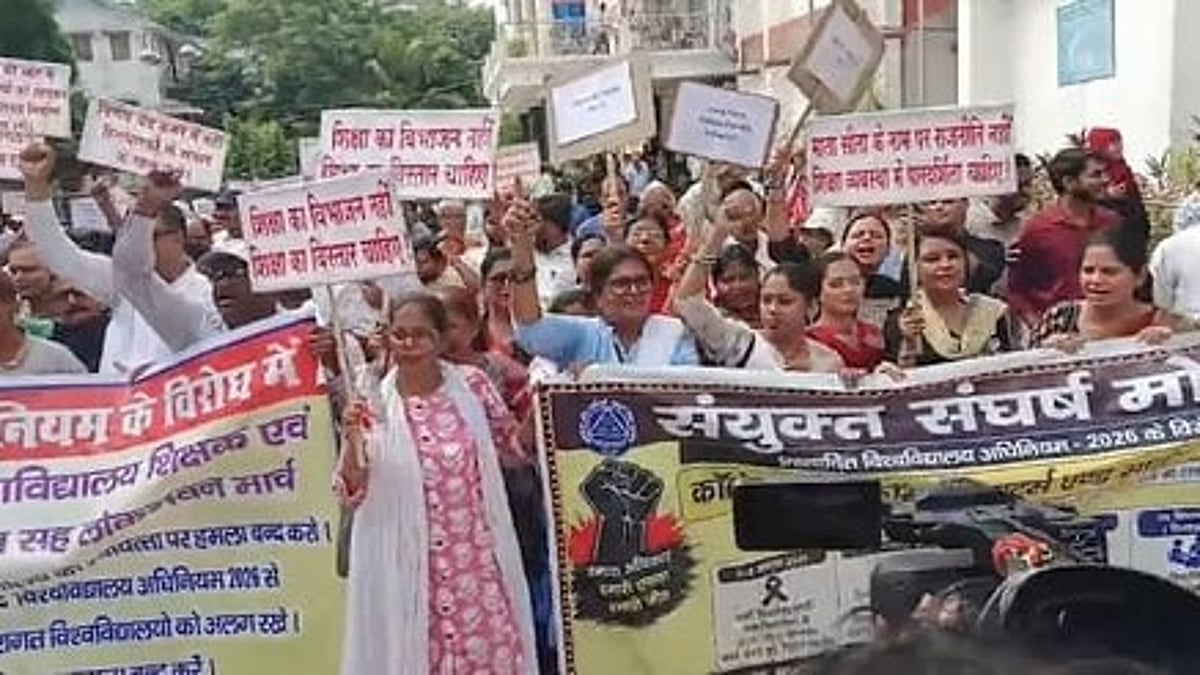
Bihar: Over 50 held in protest against Mata Sita women’s university
October 10, 2026
1,707 views

In a recent outburst, the chief of Samastha, Kanthapuram A.P. Abdul Wahab, voiced his strong discontent towards the Kerala government, particularly targeting the PM SHRI initiative. His criticism comes amidst rising concerns about the state’s educational policies and their implications for the future of the youth in Kerala. The PM SHRI (PM Schools for Rising India) scheme, aimed at upgrading schools across the nation, has drawn skepticism from various quarters, including educators and community leaders, who believe that it lacks a comprehensive approach to address the core issues in the state's education sector.
Kanthapuram expressed that while the intention behind the PM SHRI initiative may be noble, its execution appears flawed. He pointed out that the program fails to adequately address the infrastructural and educational needs of the schools in Kerala. “We need a holistic approach to education that not only focuses on infrastructure but also on quality teaching and learning outcomes,” he stated during a press conference, emphasizing the need for the government to prioritize improving the overall quality of education rather than merely upgrading facilities.
Furthermore, he highlighted the disparities in educational access, particularly in rural areas, where resources are scarce. “The government should not just focus on urban schools; rural schools need equal attention and investment,” he added, calling for a more equitable distribution of resources to ensure that every child in Kerala receives a quality education.
In addition to his critique of the PM SHRI initiative, Kanthapuram also lashed out at the Satheesan ministry regarding the proposed cut in liquor taxes. He argued that this move would disproportionately benefit liquor traders rather than the general public, further exacerbating the societal issues surrounding alcohol consumption in Kerala. “Such decisions reflect a lack of sensitivity to the problems faced by our society. Reducing liquor taxes is not the solution; instead, we should be promoting healthier lifestyles and supporting those affected by alcohol dependency,” he said.
The criticism comes in the wake of increasing alcohol-related issues in the state, where alcohol consumption has been linked to numerous social problems, including domestic violence and health crises. Kanthapuram's remarks resonate with many community leaders and health advocates who are urging the government to take a firmer stand against alcohol consumption and to invest in rehabilitation and prevention programs.
The comments made by Kanthapuram have sparked a significant response from various community members and organizations. Many have rallied behind his call for better educational policies and a more responsible approach to alcohol regulation. “We cannot ignore the impact of these policies on our society. It’s time for the government to listen to the voices of the people and make decisions that truly reflect the needs of the community,” said a local education activist.
Moreover, there is a growing sentiment among the population that the government should prioritize public welfare over profit-driven motives. The liquor tax cut proposal, in particular, has been met with backlash from families who have suffered the consequences of alcohol abuse. “This is about our children and our families. We need a government that protects us, not one that enables harmful habits,” a concerned citizen remarked during a public forum.
As the debate continues, it is clear that the Kerala government faces mounting pressure to reevaluate its policies concerning education and public health. Kanthapuram’s strong stance may serve as a catalyst for change, urging policymakers to reconsider their strategies and prioritize the welfare of the people they serve. “Our future depends on how we educate our children today and how we address the social issues plaguing our communities. It’s time for decisive action,” he concluded, urging the government to take a more proactive stance in these critical areas.
In conclusion, the criticisms voiced by Samastha chief Kanthapuram highlight the urgent need for the Kerala government to reassess its priorities and policies. With education and public health at the forefront of societal development, it is essential for the government to listen to the concerns of community leaders and make informed decisions that benefit the entire population. The discussion surrounding the PM SHRI initiative and the liquor tax cut proposal is far from over, and it remains to be seen how the government will respond to the mounting calls for change.


Loading more news...
You've reached the end of our news feed. Check back later for more updates!