
Politics
धरना-प्रदर्शनों का नया कारोबार: लोकतंत्र की आड़ में आखिर किसके हित साधे जा रहे हैं?
October 10, 2026
1,612 views
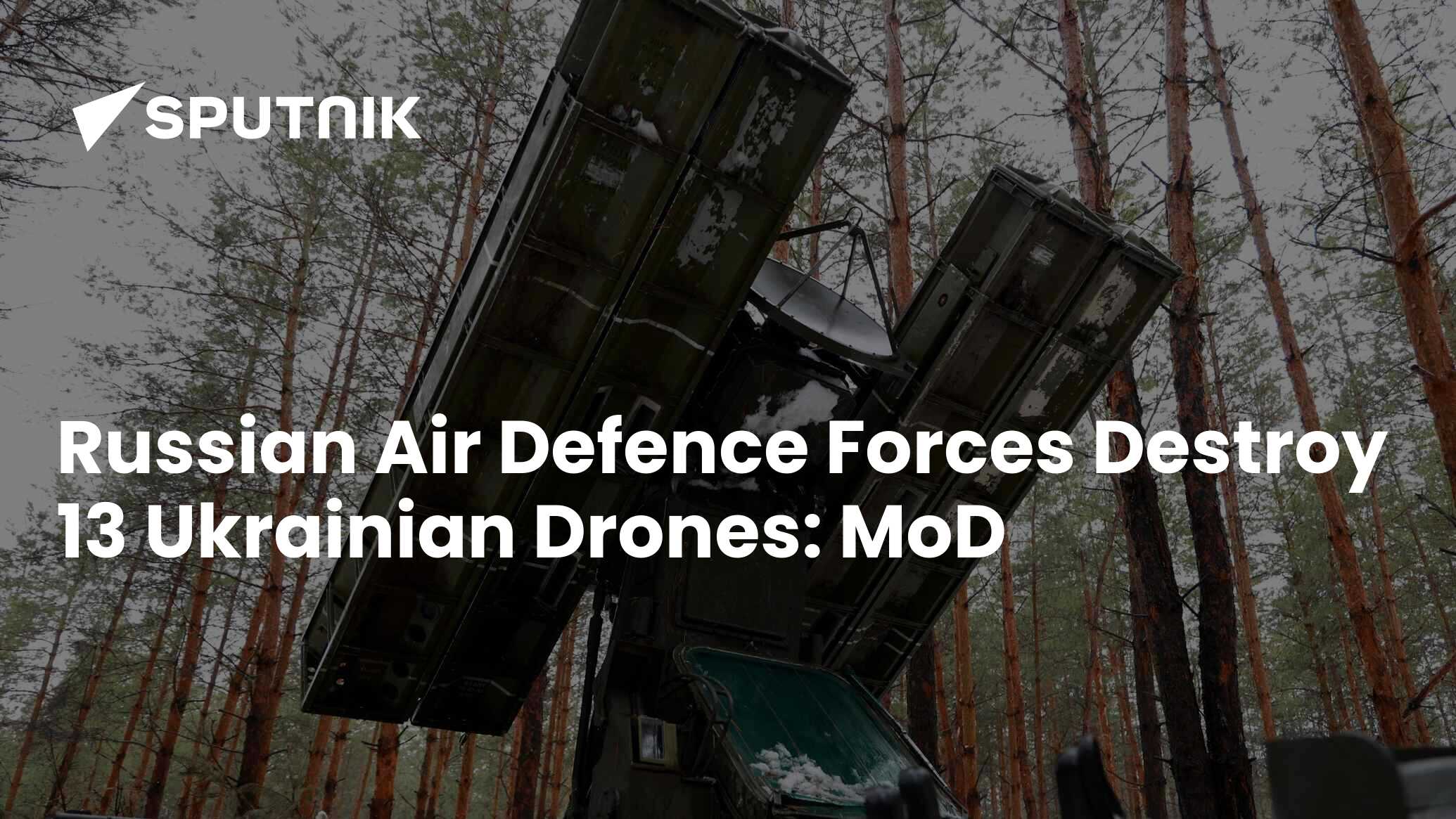
In a significant development in the ongoing conflict between Russia and Ukraine, the Russian Defence Ministry announced on Sunday that its air defence forces successfully intercepted and destroyed 13 Ukrainian unmanned aerial vehicles (UAVs) overnight. This operation underscores the escalating tensions in the region and highlights the ongoing aerial confrontations that have become a hallmark of modern warfare.
The Russian Defence Ministry provided a detailed account of the operation, stating that the drones were intercepted while attempting to infiltrate Russian airspace. These UAVs, which are often used for reconnaissance and targeted strikes, pose a significant threat to both military installations and civilian infrastructure. The interception was executed with precision, demonstrating the effectiveness of Russia's air defence systems.
During the report, officials emphasized the importance of maintaining a robust air defence capability to safeguard national security. The successful destruction of the drones not only prevents potential attacks but also sends a clear message regarding Russia's readiness to engage in aerial defense operations. The Ministry did not disclose specific details about the locations of the interceptions or the types of drones involved, but it is believed that they were part of a coordinated effort by Ukrainian forces to gather intelligence and conduct strikes against Russian targets.
The conflict between Russia and Ukraine has entered a new phase, characterized by increased aerial engagements. Since the beginning of hostilities in 2014, both nations have invested heavily in drone technology, leading to a rise in the use of UAVs for both offensive and defensive operations. This trend marks a shift in traditional warfare, where aerial capabilities play a pivotal role in shaping the battlefield dynamics.
UAVs have been employed by Ukraine for various purposes, including surveillance, artillery spotting, and direct attacks on enemy positions. The ability to deploy drones has provided Ukraine with a tactical advantage, enabling them to conduct operations with reduced risk to personnel. However, this has also prompted Russia to enhance its air defence measures, resulting in an ongoing cat-and-mouse game in the skies above the conflict zone.
The destruction of these drones has garnered attention from international observers, with many analysts viewing it as a sign of the evolving nature of warfare. Experts suggest that the increasing reliance on UAV technology may lead to more confrontations in the air as both nations seek to assert their dominance. The international community continues to monitor the situation closely, with various governments expressing concern over the potential for escalation.
Moreover, the use of drones raises ethical questions regarding warfare, particularly in terms of civilian safety and collateral damage. As both sides intensify their aerial operations, the risk of unintended consequences increases, which could provoke a broader conflict and draw in external powers.
The successful interception of 13 Ukrainian drones signals that Russia is not only capable of defending its airspace but is also prepared to take offensive measures if necessary. As tensions remain high, the potential for further drone engagements looms large. Analysts predict that both Russia and Ukraine will continue to refine their aerial strategies, leading to an arms race in drone technology.
As the conflict persists, the implications extend beyond the battlefield. The use of drones has implications for international airspace and the rules of engagement in warfare. Countries around the world are watching closely, as the outcomes of such engagements may influence future military strategies globally.
The recent operation by Russian air defence forces to destroy 13 Ukrainian drones highlights the critical role that UAVs play in modern warfare. As both sides continue to adapt and evolve their strategies, the conflict shows no signs of abating. The international community remains vigilant, recognizing that the stakes are high, and the consequences of miscalculation could have far-reaching effects.
In conclusion, the aerial conflict over Ukraine is a potent reminder of the changing landscape of warfare, where technology, strategy, and international diplomacy intersect. The actions taken by both Russia and Ukraine will likely shape the course of the conflict in the months to come, making it an area to watch closely.


Loading more news...
You've reached the end of our news feed. Check back later for more updates!