
Business
Missouri River Energy Services - Smart Energy Squad prepares for another year of impact
August 26, 2026
671 views
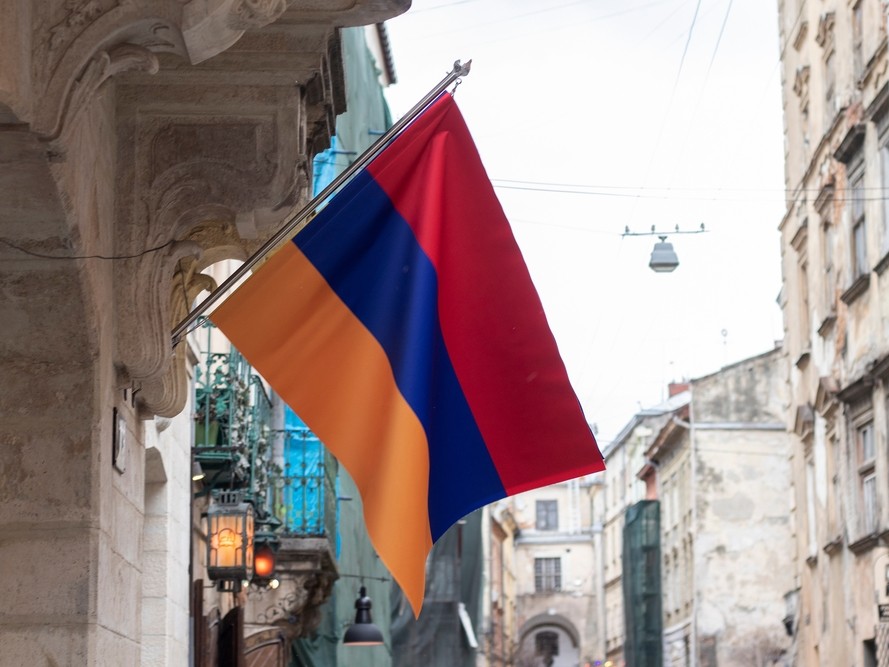
Russia has mulled an extraordinary measure of exporting humans to Armenia in an effort to undermine Prime Minister Nikol Pashinyan’s chances of retaining power in the fast-approaching parliamentary elections on June 7, according to an investigative report published by the Reuters news agency. Despite the Kremlin’s best efforts to manipulate the election’s outcome, recent polling data shows that Pashinyan’s Civil Contract Party is pulling away from a collection of opposition forces and appears increasingly poised to win another term in office. This situation raises serious concerns about foreign interference in democratic processes and the implications it has for Armenia’s sovereignty and political landscape.
Armenia has been in a precarious position since the 2020 Nagorno-Karabakh conflict, which saw Azerbaijan reclaim territories that were previously held by ethnic Armenians. Russia has historically been Armenia's ally, but the complexities of the regional dynamics have led to skepticism regarding Moscow’s true intentions. The Kremlin's potential plan to intervene in the upcoming elections underscores the fragile nature of Armenia's democracy and the lengths to which foreign powers may go to assert their influence.
According to the report, the proposed $50 million campaign would involve various methods, including the mobilization of individuals from Russia to Armenia. These individuals could be utilized as political operatives, campaigners, or even influencers to sway public opinion against Pashinyan and his administration. The strategy appears to be aimed not just at discrediting the Prime Minister but at creating a narrative that could galvanize opposition forces, thereby destabilizing the current government.
The notion of "exporting humans" is particularly alarming as it raises ethical questions about the manipulation of political processes. Such tactics could involve the recruitment of citizens who are sympathetic to Russian interests or who oppose Pashinyan’s government. The implications of these actions could further alienate sections of the Armenian populace and exacerbate existing tensions within the country.
Despite the looming threat of foreign interference, recent polling data indicates that Pashinyan’s Civil Contract Party is gaining momentum. Polls suggest that a significant portion of the Armenian electorate remains supportive of Pashinyan, who has positioned himself as a reformist leader committed to modernizing the country and distancing it from Russian influence. This support could serve as a counterbalance to any external attempts to sway the electoral process.
Pashinyan's administration has faced criticism and challenges since the Nagorno-Karabakh war, including economic difficulties and public discontent over various governance issues. However, his ability to maintain a favorable rating among voters reflects a desire for stability and continuity in a time of uncertainty. The Prime Minister's focus on democratic reforms and anti-corruption measures resonates with a substantial segment of the population, which may ultimately protect him against external manipulations.
The potential for Russian interference in Armenia’s elections not only threatens the integrity of the electoral process but also raises questions about the future of democratic governance in the country. Should the Kremlin succeed in its efforts, it could set a dangerous precedent for foreign powers seeking to influence political outcomes in neighboring countries. This scenario would not only undermine Armenia's sovereignty but could also have ripple effects across the region, emboldening other nations to engage in similar tactics.
The geopolitical landscape in the South Caucasus is already fraught with tension, and any destabilization in Armenia could have far-reaching consequences. Neighboring countries, including Azerbaijan and Turkey, are closely monitoring the situation, as shifts in power dynamics could lead to increased aggression or territorial disputes. The international community must remain vigilant and responsive to these developments, advocating for free and fair elections that respect the will of the Armenian people.
The upcoming parliamentary elections in Armenia represent a critical juncture in the nation’s democratic journey. While the threat of foreign interference looms large, the resilience of the Armenian electorate and their commitment to democratic principles cannot be underestimated. As the situation unfolds, it is imperative for both domestic and international stakeholders to ensure that Armenia’s sovereignty is upheld and that the electoral process remains free from external manipulation.
Loading more news...
You've reached the end of our news feed. Check back later for more updates!