Politics
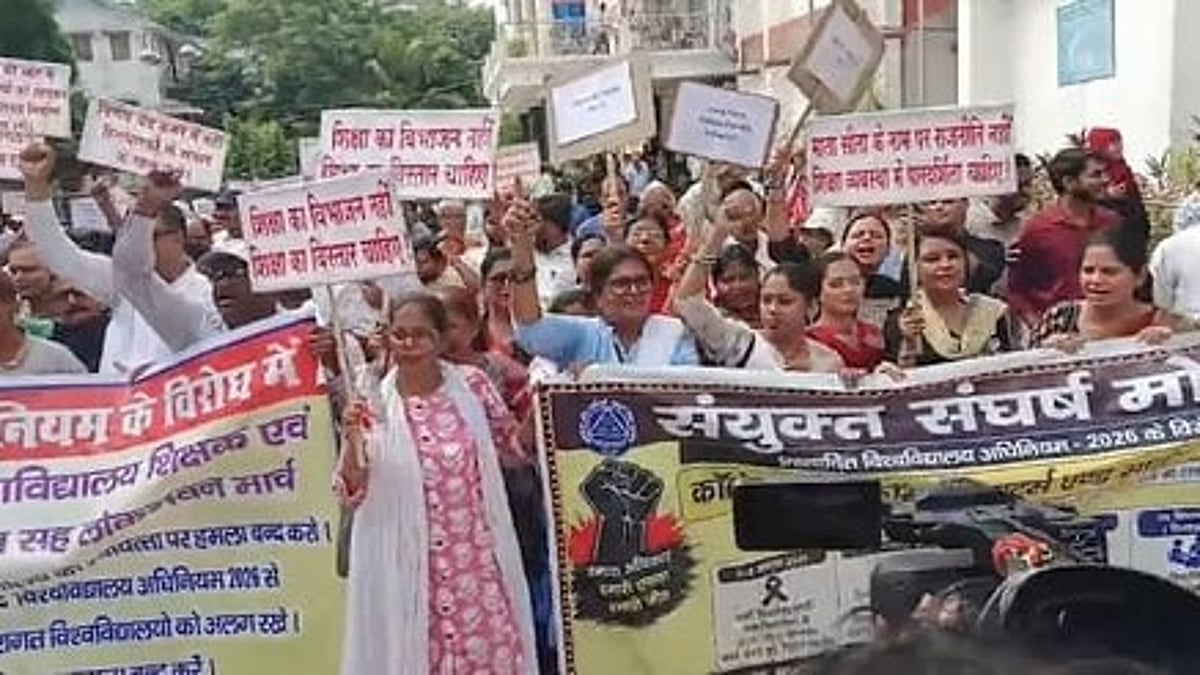
Bihar: Over 50 held in protest against Mata Sita women’s university
October 10, 2026
1,707 views

Tension prevailed in Bhoma on Sunday as villagers took to the streets to express their discontent regarding soil testing for the proposed highway expansion. The residents voiced their grievances, claiming that the necessary land acquisition procedures had not been followed and that local landowners had not been consulted before the testing began. This protest highlights a significant clash between development initiatives and the rights of local communities.
The highway expansion project in question is part of a broader initiative aimed at improving transportation infrastructure in the region. The government has proposed this expansion to enhance connectivity and facilitate economic growth. However, the residents of Bhoma believe that the project is being pushed forward without adequate consideration of the local population's rights and concerns. The villagers argue that the soil testing activities were initiated without prior notification or consultation, leading to feelings of disenfranchisement.
During the protest, which drew a large number of participants, including the local sarpanch and members of the panchayat, villagers raised several key concerns. They argued that:
The involvement of local leadership, particularly the sarpanch, played a crucial role in organizing the protest. The sarpanch, representing the community's interests, highlighted the need for the government to engage with local stakeholders before moving forward with such significant projects. “We demand transparency and respect for our rights as landowners and community members,” stated the sarpanch during the protest. This sentiment resonated throughout the gathered crowd, reinforcing the idea that local voices must be heard in decisions that impact their future.
In response to the escalating tensions, government officials have stated that they are committed to following legal protocols for land acquisition and that soil testing is a preliminary step necessary for the expansion project. Officials have called for dialogue with the villagers, emphasizing the importance of community input in the planning process. However, many residents remain skeptical of these assurances, fearing that their concerns will be overlooked in the name of progress.
This incident in Bhoma is emblematic of a larger trend seen across India, where rapid infrastructural development often clashes with the rights and needs of local communities. As more projects are proposed, the challenge for the government will be to balance the need for development with the rights of those who may be adversely affected. Failure to address these concerns may lead to increased unrest and potential legal battles, as seen in other regions facing similar issues.
For the situation in Bhoma to improve, there must be a concerted effort from both the government and the community. Open communication channels should be established to ensure that residents feel heard and valued in the decision-making process. Engaging in meaningful consultations can lead to better project outcomes that align with the community's needs and aspirations while still allowing for necessary infrastructure development.
The protest in Bhoma serves as a crucial reminder of the importance of community involvement in development projects. As the government moves forward with plans for highway expansion, it must prioritize the rights and voices of local residents to foster trust and cooperation. Only through collaboration can sustainable development be achieved, ensuring that progress does not come at the expense of local communities.


Loading more news...
You've reached the end of our news feed. Check back later for more updates!