Politics
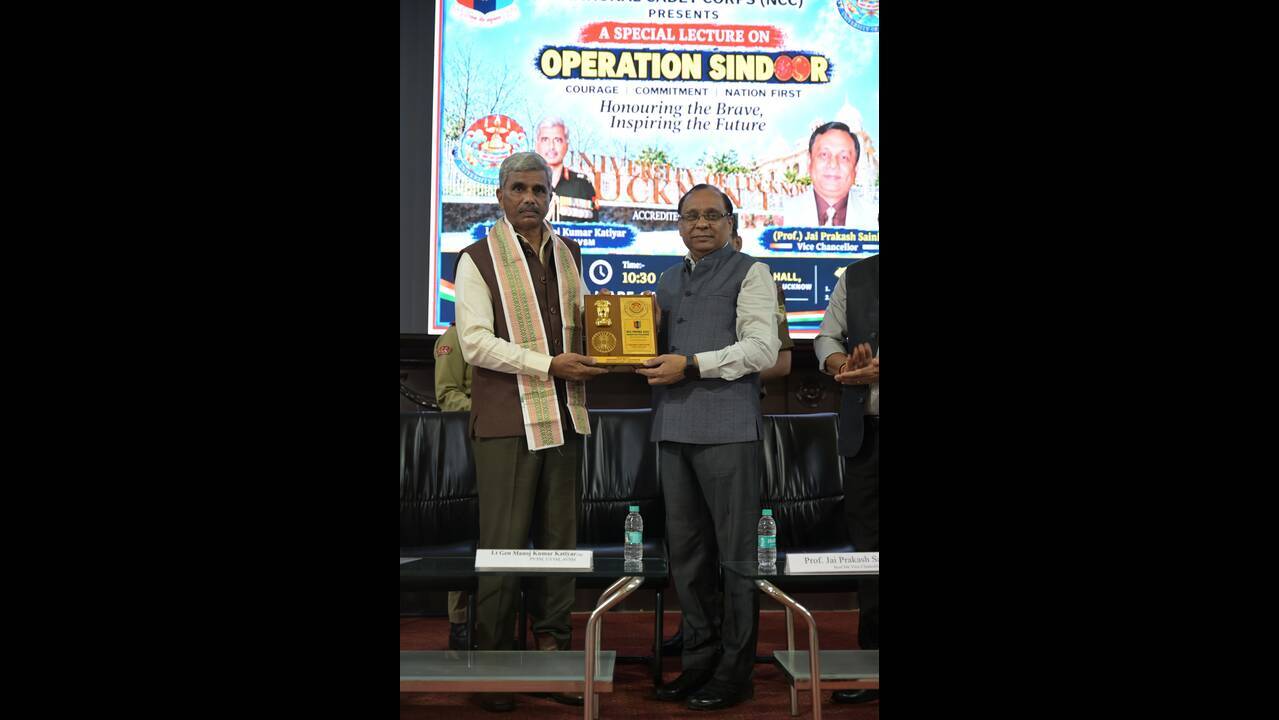
Pakistan sought truce after heavy losses in Op Sindoor: Ex-Western command chief
October 14, 2026
3,480 views
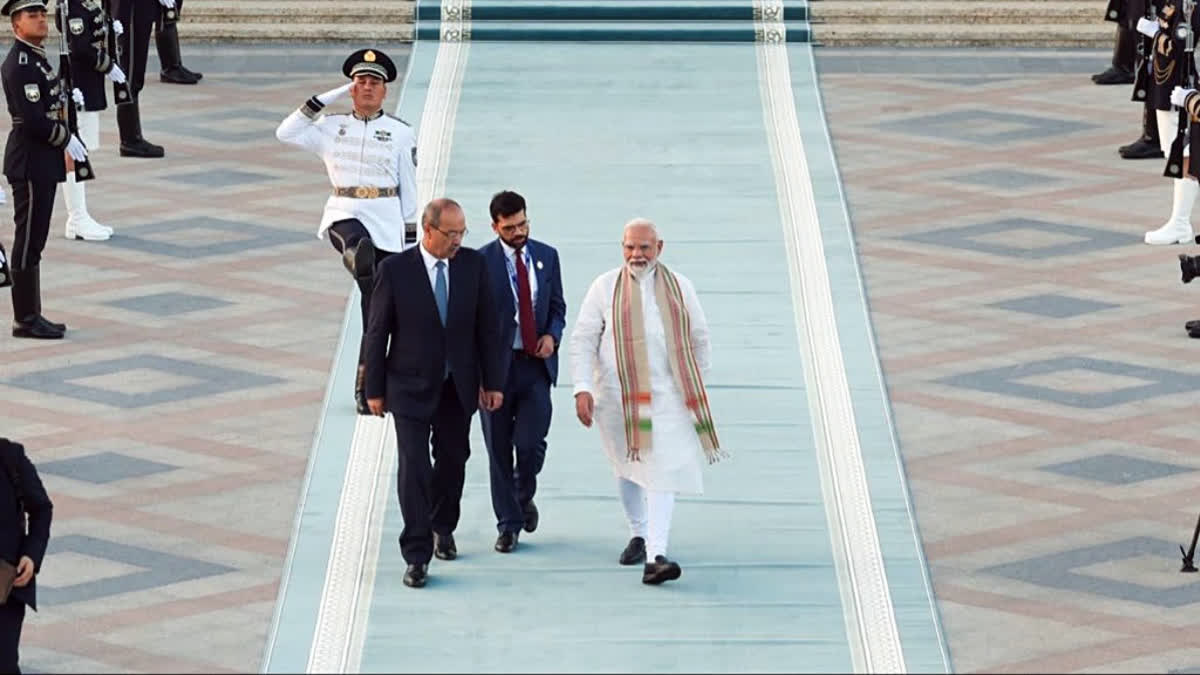
Prime Minister Narendra Modi has officially arrived in Kyrgyzstan to participate in the 26th Shanghai Cooperation Organization (SCO) Summit, taking place from August 31 to September 1. This high-profile visit comes at the invitation of Kyrgyz President Sadyr Zhaparov, marking a significant moment in India's foreign diplomacy and its engagement with Central Asian nations.
The SCO Summit serves as a crucial platform for member countries to discuss various issues ranging from security to economic cooperation. With members including China, Russia, and several Central Asian nations, the summit aims to enhance collaboration in combating terrorism, extremism, and regional challenges. PM Modi's presence at this summit underscores India's commitment to playing an active role in regional stability and development.
During the summit, leaders will delve into a myriad of topics, including economic ties, trade facilitation, and cultural exchanges among member states. A focal point of discussions is expected to be on regional security, particularly in light of the evolving geopolitical landscape. India's strategic interests in Central Asia are paramount, and the summit provides a unique opportunity for PM Modi to engage with other leaders on fostering peace and stability in the region.
PM Modi's visit is not only about the SCO but also serves as a platform for enhancing bilateral relations with Kyrgyzstan. The two nations have been working closely in various sectors, including defense, trade, and education. During his stay, Modi is expected to hold bilateral talks with President Zhaparov, which may lead to the signing of several agreements aimed at further strengthening ties between India and Kyrgyzstan.
India has been increasingly focusing on Central Asia as part of its broader Act East policy. The region is critical for India, not just for economic reasons but also for strategic ones, especially regarding connectivity and energy security. Modi's participation in the SCO reflects India's efforts to enhance its influence and forge stronger partnerships in Central Asia, a region rich in natural resources and strategic importance.
The outcomes of the SCO Summit could have far-reaching implications for the geopolitical dynamics of the region. With rising tensions globally, the collaborative efforts among SCO members are vital in addressing common challenges. India's active participation may help in balancing the influence of major powers and contribute to a multipolar world order.
The visit has been met with positive reactions from various quarters within India. Political analysts view Modi's engagement in the SCO as a step towards cementing India's role as a leading power in the region. Moreover, the Indian diaspora in Kyrgyzstan has expressed excitement over the visit, hoping it will lead to better cultural exchanges and economic opportunities for both nations.
As PM Modi engages with fellow leaders at the SCO Summit, the world will be watching closely to see how India's participation shapes the discussions and outcomes. His visit to Kyrgyzstan is not merely a diplomatic engagement but a strategic move to fortify India's relations with Central Asia and to reaffirm its commitment to regional stability and growth. The next few days will be pivotal in determining the trajectory of India-Kyrgyzstan relations and its broader implications for the region.
In conclusion, PM Modi's visit to Kyrgyzstan is a testament to India's proactive approach in international relations, highlighting the importance of collaboration in addressing global challenges. The outcomes of the SCO Summit could potentially redefine the contours of engagement among member states, making it a significant event in contemporary geopolitics.
Loading more news...
You've reached the end of our news feed. Check back later for more updates!