Politics
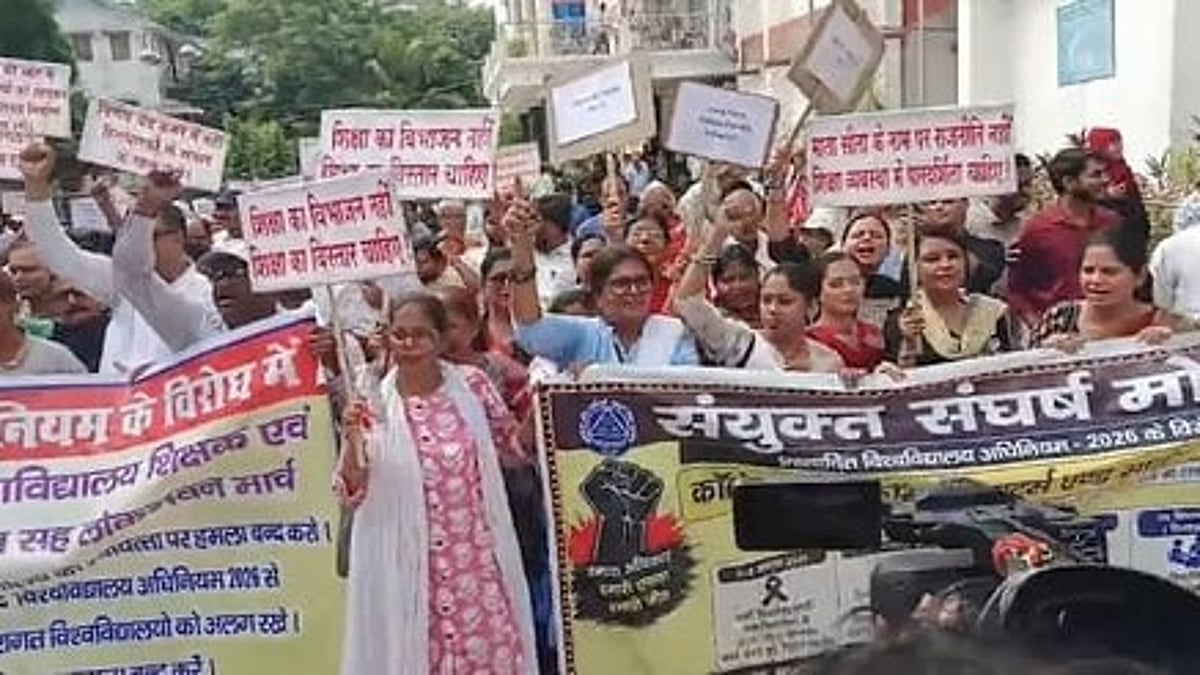
Bihar: Over 50 held in protest against Mata Sita women’s university
October 10, 2026
1,707 views
Nagpur: The Nagpur bench of the Bombay High Court, on Wednesday, issued notices to the Maharashtra government and other respondents regarding a petition that challenges the distance-based admissions under the Right to Education (RTE) Act. This legal move has stirred considerable attention, as it raises important questions about educational accessibility and equity in the state.
The Right to Education Act, enacted in 2009, aims to provide free and compulsory education to children aged 6 to 14 years. One of its significant provisions is the mandate for private schools to reserve a certain percentage of seats for children from economically weaker sections. However, the implementation of distance-based criteria for these admissions has come under scrutiny.
The petitioner argues that the distance-based admissions policy disproportionately affects children living in rural and underprivileged urban areas. Distance should not be a determining factor in a child's right to education, they contend. Many families are unable to afford transportation costs or might not have access to reliable means of travel, thus further entrenching educational disparities.
This case has broader implications for the interpretation of the RTE Act and its goal of ensuring equal educational opportunities for all. The bench's decision to seek a response from the state government highlights the seriousness of the issue. The court's ruling could set a precedent for how admissions are conducted across the state, potentially impacting thousands of children.
Reactions to the petition have been mixed. Advocates for educational reform argue that the current policy is unjust and fails to uphold the spirit of the RTE Act. They emphasize the need for a more inclusive approach that considers the socio-economic realities of families. On the other hand, some officials defend the distance criteria, asserting that it helps maintain a manageable student-to-teacher ratio in urban schools.
The Maharashtra government, which has been asked to respond to the petition, faces pressure to justify its policies on education. With a growing population and increasing demand for quality education, the government must balance various competing interests while ensuring compliance with the RTE Act.
This case is likely to ignite a larger debate about educational policies in Maharashtra and across India. With the backdrop of rising inequality and the ongoing struggle for access to quality education, the outcome of this petition could influence future legislation and administrative decisions related to the RTE Act.
The Bombay High Court's decision to seek a reply from the Maharashtra government is a crucial moment in the ongoing discourse about educational rights in India. As the case progresses, stakeholders from all walks of life will be watching closely to see how the court balances the principles of equity and practical governance in education.
As this situation unfolds, it is essential for parents, educators, and community leaders to stay informed and engage in discussions about educational policies. Advocacy for equitable access to education is vital, and public opinion can shape the future landscape of educational rights in India.


Loading more news...
You've reached the end of our news feed. Check back later for more updates!