
Business
Wall Street Week Ahead: As AI rally wobbles, stock market's spotlight turns to earnings
October 17, 2026
3,466 views
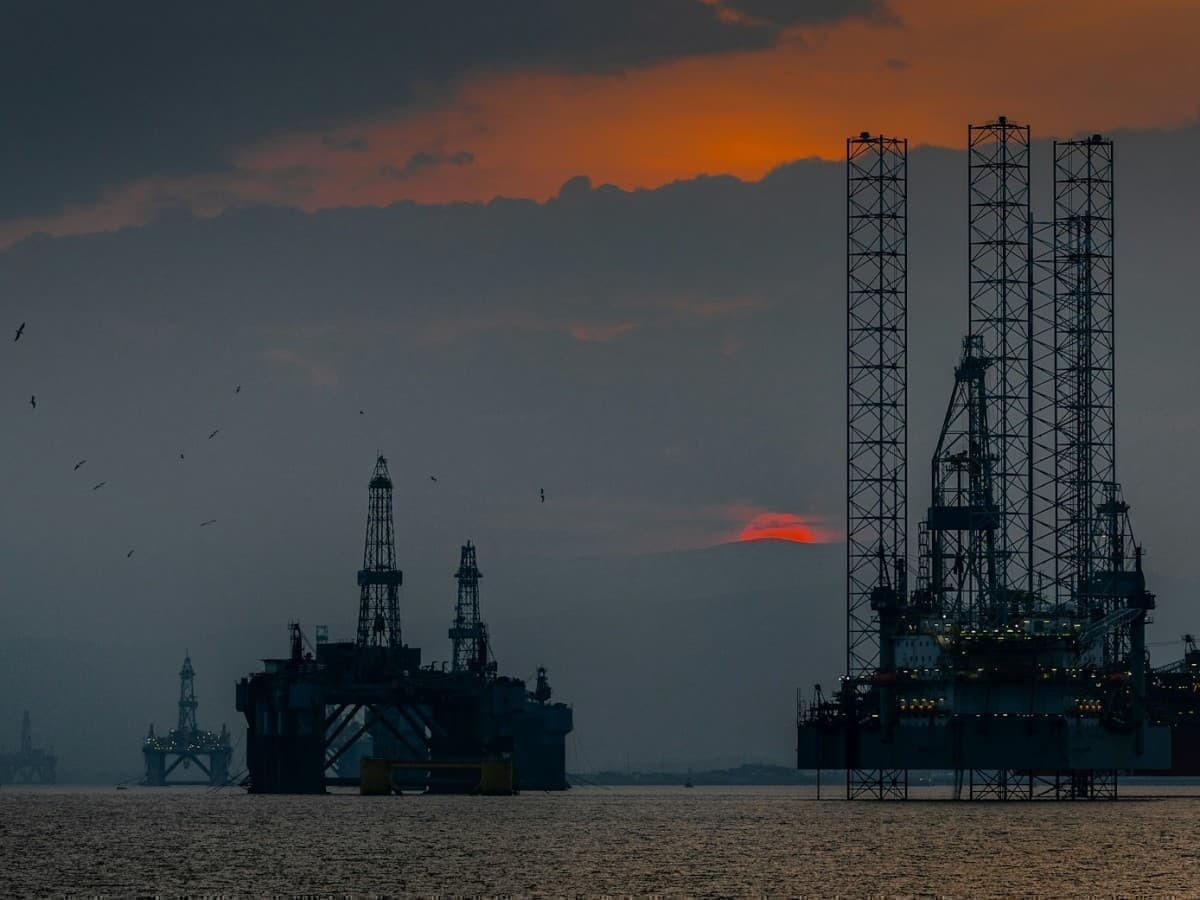
Norway, a nation rich in natural resources and energy potential, is positioning itself as a key player in Europe’s energy landscape, particularly amid the ongoing energy crisis exacerbated by geopolitical tensions. The country’s Energy Minister, Terje Aasland, has recently made bold declarations that suggest a significant shift in Norway’s energy policy. By announcing plans to continue exploring oil and gas in the Barents Sea, Norway appears to be breaking away from the European Union's stance, which advocates for a moratorium on Arctic drilling. This move has sparked conversations about sovereignty, energy security, and the future of Europe’s energy market.
In a time when many European countries are pivoting towards renewable energy sources to combat climate change, Norway's decision to pursue further fossil fuel exploration raises eyebrows. The EU has set ambitious goals to reduce carbon emissions and phase out fossil fuels, and its support for an Arctic drilling moratorium reflects a broader commitment to environmental sustainability. However, Norway, with its extensive oil and gas reserves, is taking a different route. Aasland’s statements signal a clear message: Norway is prioritizing its own economic interests and energy independence over EU directives.
Adding to the intrigue, Aasland has dismissed the notion of Norway as Europe’s “green battery,” which previously aimed to position the country as a renewable energy hub for the continent. This idea, once championed by Norwegian leaders, envisioned a future where Norway would harness its vast hydropower resources to supply green energy to surrounding nations. However, Aasland has labeled this ambition as flawed, suggesting that it does not align with Norway’s current energy strategy. Instead, he emphasizes the importance of oil and gas as essential components of Norway’s economic framework.
Norway’s stance underscores the importance of national sovereignty in energy decisions. The country has long been a significant exporter of oil and gas, and its government is keenly aware of the economic benefits that come from these resources. As European countries strive to enhance their energy independence, Norway’s continued exploration and production of fossil fuels could position it as a critical ally in the region. However, this reliance on fossil fuels raises ethical questions and concerns about long-term sustainability.
As Europe faces a potential energy crisis fueled by supply chain disruptions and geopolitical conflicts, Norway’s role as a reliable energy supplier becomes increasingly vital. The country’s rich reserves of oil and gas can provide a buffer against the volatility of international energy markets. Nevertheless, this reliance on fossil fuels may hinder Europe’s broader transition to renewable energy sources, complicating the continent's climate goals.
Norway’s energy policy is at a crossroads. As the country continues to explore oil and gas in the Barents Sea, it must also consider the implications of its decisions on its international standing and environmental responsibilities. The ongoing dialogue surrounding energy security, climate change, and national sovereignty will shape Norway's future as a key player in Europe’s energy market.

Loading more news...
You've reached the end of our news feed. Check back later for more updates!