
Technology
ONLYOFFICE 10.0 brings AI tools, modular apps, and stronger security to its open-source office suite
October 10, 2026
2,931 views
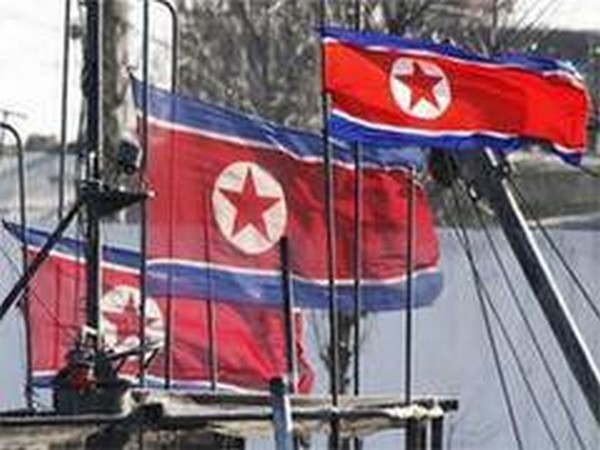
In a significant development that has raised alarms across the globe, North Korea has successfully tested an advanced solid-fuel intercontinental ballistic missile (ICBM) engine. The ground test, which took place in March, is believed by analysts to be a critical step in enhancing Pyongyang's missile capabilities. This advancement not only showcases North Korea's growing technological prowess but also raises concerns about regional security and the potential for escalating tensions in the Korean Peninsula.
Solid-fuel missiles offer several advantages over their liquid-fuel counterparts. They can be stored for extended periods and require less preparation time before launch, making them harder to detect and intercept. This technological leap is particularly concerning for neighboring countries and the United States, as it enables North Korea to deploy its ICBMs more quickly in response to perceived threats. Analysts suggest that the recent test is part of a broader strategy by Pyongyang to modernize its military capabilities and assert its position on the global stage.
North Korea has long viewed its missile program as a cornerstone of its national defense strategy. The regime believes that possessing a credible nuclear deterrent is essential for its survival, especially in light of ongoing tensions with the United States and its allies. The successful development of a solid-fuel ICBM engine could potentially allow North Korea to launch a missile capable of reaching the continental United States, thus altering the strategic balance in the region.
The international community has reacted with alarm to North Korea's advancements in missile technology. Countries including South Korea, Japan, and the United States have condemned the test, viewing it as a violation of United Nations resolutions that prohibit North Korea from conducting ballistic missile tests. The United States has vowed to take necessary measures to defend its allies and maintain regional stability. Diplomatic efforts aimed at denuclearization may face significant setbacks as North Korea continues to enhance its military capabilities.
As North Korea continues to develop its ICBM capabilities, the security landscape in East Asia is becoming increasingly precarious. South Korea has responded by bolstering its own military capabilities and enhancing cooperation with the United States. The potential for an arms race in the region is a growing concern, as neighboring countries feel compelled to respond to North Korea's advancements. This cycle of escalation could lead to miscalculations and unintended conflicts, further destabilizing an already volatile region.
Despite the imposition of extensive international sanctions aimed at curbing North Korea's nuclear ambitions, the regime has demonstrated a remarkable ability to circumvent these restrictions. Analysts believe that the continued development of advanced missile technology indicates that North Korea is not only resilient but also committed to enhancing its military capabilities regardless of international pressure. The effectiveness of sanctions in achieving denuclearization remains a contentious issue, with some experts calling for a reassessment of the current strategy.
Looking ahead, the international community faces formidable challenges in addressing North Korea's missile program. Continued testing and development of solid-fuel ICBM engines may prompt a reevaluation of defense strategies by regional powers. Diplomacy remains essential, but it must be coupled with a realistic assessment of North Korea's intentions and capabilities. The path to denuclearization is fraught with obstacles, and the potential for further military advancements by North Korea will require vigilance and strategic planning from global leaders.
North Korea's recent test of an advanced solid-fuel ICBM engine marks a pivotal moment in the ongoing saga of its missile program. As the regime continues to push the boundaries of its military capabilities, the implications for regional and global security are profound. The international community must remain alert and responsive to these developments, balancing the need for diplomatic engagement with the imperative of maintaining stability in an increasingly uncertain world.


Loading more news...
You've reached the end of our news feed. Check back later for more updates!