Politics
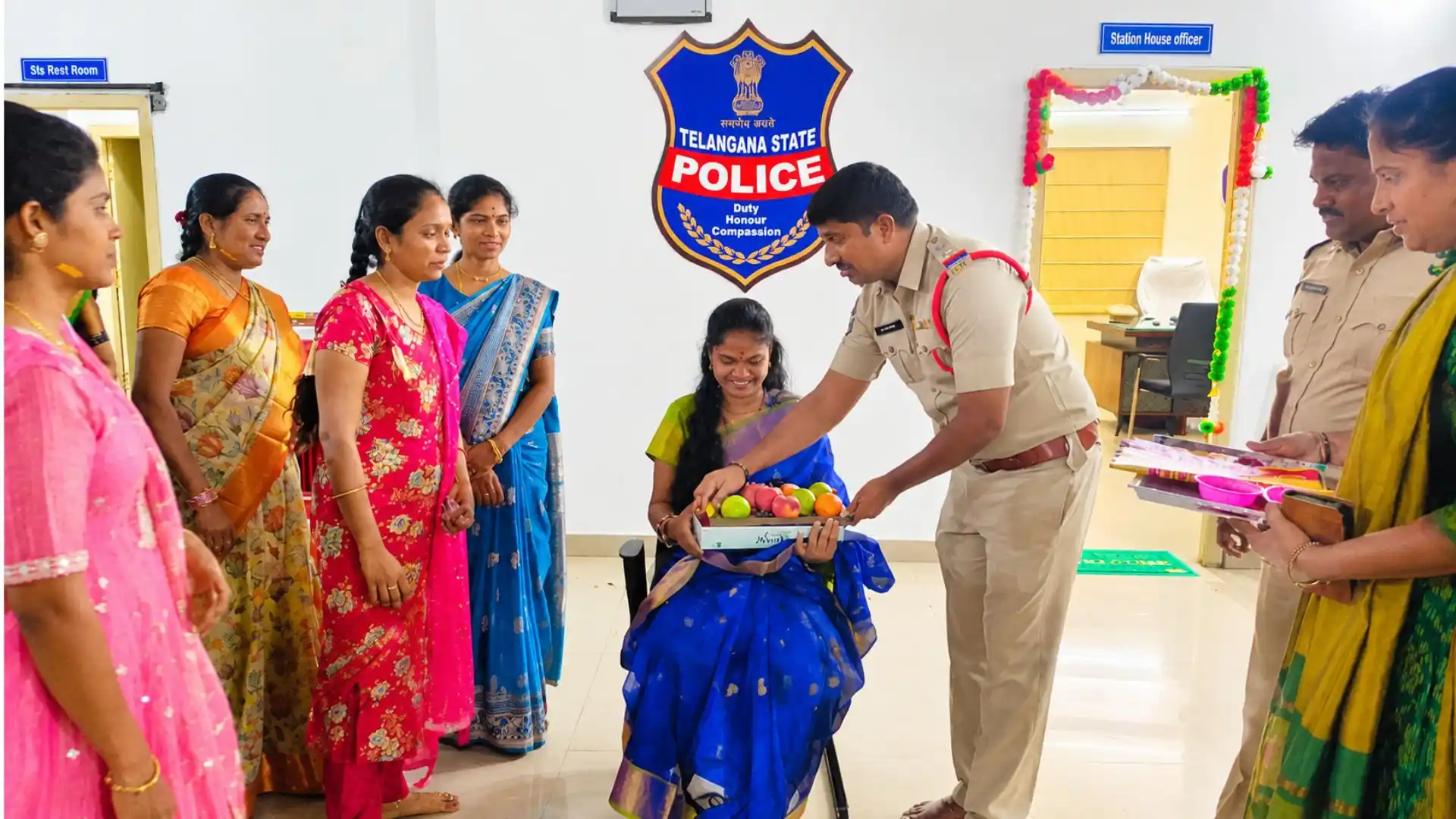
ఖాకీ డ్రెస్ వెనుక అంతులేని కారుణ్యం.. గర్భవతిగా ఉన్న కానిస్టేబుల్ కి ఊహించని సర్ఫ్రైజ్
October 17, 2026
2,576 views
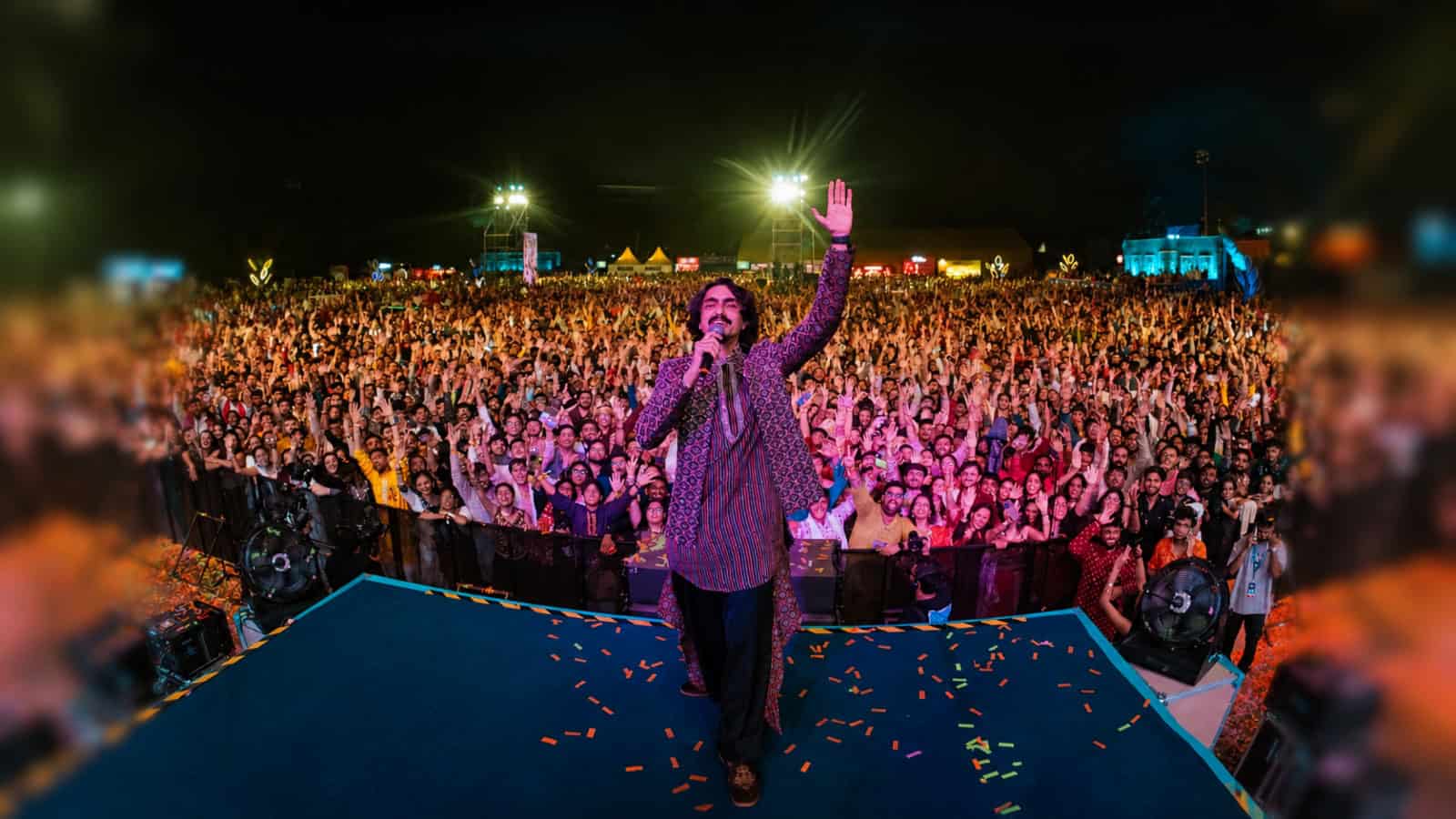
Hyderabad: A traditional Navratri night featuring the popular Khalasi singer Aditya Gadhvi has ignited a significant controversy after a shocking announcement from the stage requested Muslims and other non-Hindus to vacate the venue. This incident transpired during the much-anticipated 'Rang Morla ft. Aditya Gadhvi' event, which was expected to be a grand celebration of culture and community spirit. As the video of this announcement rapidly circulated on social media, it sparked outrage and discussions across various platforms, leading to a wave of reactions from the public and media.
The event, which took place in Hyderabad, was meant to be a vibrant celebration of Navratri, a festival that holds immense significance in Hindu culture. However, the atmosphere quickly turned sour when the host of the event made a controversial announcement requesting Muslims and other non-Hindu attendees to leave. Eyewitnesses reported that the crowd reacted with a mix of disbelief and anger, as many attendees were there to enjoy the festivities and celebrate together, regardless of their religious backgrounds.
The reaction from the community has been significant, with many expressing their disappointment over the exclusionary remarks made during what was meant to be a joyous occasion. Social media platforms exploded with comments condemning the announcement, highlighting the importance of inclusivity and unity during such cultural events. Many users pointed out that festivals like Navratri should be a time for celebration and togetherness, transcending religious boundaries.
In the wake of the controversy, singer Aditya Gadhvi took to social media to clarify his stance on the incident. He emphasized that he did not endorse the statement made by the event's host and expressed his commitment to promoting harmony and inclusivity through his music. Gadhvi stated, "My music is for everyone, regardless of their faith. I believe in the power of music to unite people and spread joy. I was not aware of the announcement made during the event, and I regret the pain it has caused." His statement aimed to reassure fans and attendees that his intention was to celebrate the spirit of Navratri, not to divide people based on their religious beliefs.
Navratri is celebrated with great enthusiasm across India, especially in Gujarat and Maharashtra, where Garba and Dandiya Raas dances are an integral part of the festivities. These celebrations often bring together people from various backgrounds, promoting a sense of community and shared joy. The recent incident, however, raises concerns about rising communal tensions and the potential for cultural events to become battlegrounds for ideological differences.
As society continues to grapple with issues of identity and belonging, incidents like these serve as a reminder of the challenges faced in fostering a truly inclusive environment. The importance of dialogue and understanding cannot be overstated, especially in culturally rich and diverse nations like India. It is essential for event organizers to promote messages of unity and acceptance, ensuring that everyone feels welcome to participate in celebrations that are meant to uplift the community.
In light of the controversy, community leaders and activists have called for a renewed focus on inclusivity in cultural celebrations. They urge organizers to create spaces that honor diversity and encourage participation from all sections of society. By fostering an environment where everyone can come together to celebrate, regardless of their religion, we can work towards breaking down barriers and building a more harmonious community.
The incident at the Garba event featuring Aditya Gadhvi serves as a critical reminder of the work that still needs to be done to ensure inclusivity in cultural celebrations. As discussions continue, it is crucial for individuals, artists, and event organizers to advocate for unity, understanding, and respect among diverse communities. Only then can we truly celebrate the richness of our shared cultural heritage during festivals like Navratri.
As we reflect on the events that unfolded, it’s vital to remember that festivals should be a time for joy, connection, and community spirit. Let us strive to create an environment where everyone, regardless of their background, feels welcomed and valued. In doing so, we honor not just the traditions of our own cultures but also the beauty of diversity that enriches our society.
Loading more news...
You've reached the end of our news feed. Check back later for more updates!