Politics
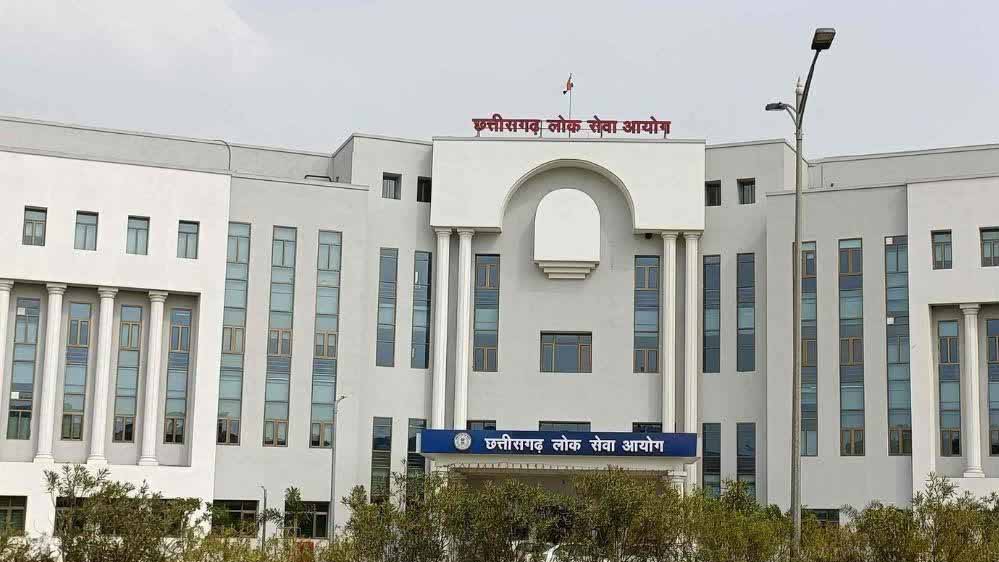
CGPSC राज्य सेवा परीक्षा 2025: 265 पदों का डॉक्यूमेंट वेरिफिकेशन और इंटरव्यू स्थगित
September 17, 2026
2,369 views

On a pivotal day for regional stability, French President Emmanuel Macron has convened an important meeting in Paris with Lebanese President Joseph Aoun and Jordan's King Abdullah II. This summit is centered around critical discussions regarding Lebanon's security situation and the need for enhanced international support for the Lebanese army. As tensions escalate in the region, particularly due to Israel's ongoing military operations in southern Lebanon, the urgency of these talks cannot be overstated.
The meeting emerges against a backdrop of escalating concerns among international stakeholders regarding the stability of Lebanon. Israel's airstrikes in southern Lebanon have raised alarm bells, prompting fears of further deterioration in the security landscape. Reports indicate that these strikes are part of broader military actions aimed at quelling perceived threats, leading to increased tensions along the Lebanese-Israeli border. The presence of the United Nations Interim Force in Lebanon (UNIFIL) has been called into question, with discussions about its potential withdrawal adding to the precarious situation.
During the Paris talks, President Macron underscored the necessity of formulating a “clear, credible and realistic” strategy to provide robust support to Lebanon. This strategy encompasses a multifaceted approach that includes not only financial assistance but also logistical support in the form of equipment and military training. Macron's administration has expressed a strong commitment to ensuring that Lebanon's military forces are adequately equipped to handle the growing challenges facing the nation.
The need for international support for Lebanon is more pressing than ever. The Lebanese army plays a crucial role in maintaining stability and order in a country that has faced numerous challenges, including economic collapse and political instability. The discussions in Paris are expected to pave the way for a coordinated international response aimed at bolstering the capabilities of the Lebanese military. Macron has called for a united front among international partners to ensure that Lebanon does not become a victim of regional conflicts.
The potential end of the UNIFIL mission has been a topic of heated debate among policymakers. Established in 1978, UNIFIL's mandate is to monitor the cessation of hostilities and help ensure humanitarian access to civilian populations. However, as tensions rise, its effectiveness has come under scrutiny. The leaders in Paris are likely to discuss the future of this mission and how it can be adapted to better serve the needs of a changing security environment.
The implications of these talks extend beyond Lebanon's borders. The stability of Lebanon is intricately linked to the broader dynamics of the Middle East. Any significant shift in Lebanon's security situation could potentially lead to a ripple effect, impacting neighboring nations such as Jordan and Syria. King Abdullah II's presence at the talks highlights Jordan's vested interest in the stability of its northern neighbor, as any escalation in conflict could lead to an influx of refugees and further strain on Jordan's resources.
As the discussions unfold in Paris, the outlook for Lebanon remains uncertain. While there is hope that the talks will lead to a more comprehensive and effective support system for the Lebanese army, skepticism exists regarding the implementation of any proposed measures. The political landscape in Lebanon is complex, with various factions vying for power and influence, making it challenging to achieve consensus on security matters.
In conclusion, the meeting between President Macron, President Aoun, and King Abdullah II represents a crucial step in addressing the myriad challenges facing Lebanon today. With a focus on enhancing military support and ensuring regional stability, this summit could lay the groundwork for a more secure future for Lebanon. However, the outcomes will depend on the commitment of international stakeholders to follow through on their promises and the ability of Lebanon's leadership to navigate the complex political landscape.
Loading more news...
You've reached the end of our news feed. Check back later for more updates!