
Business
Paradip Port Authority Sets New Single-Day Loading Record At MCHP
October 11, 2026
2,804 views
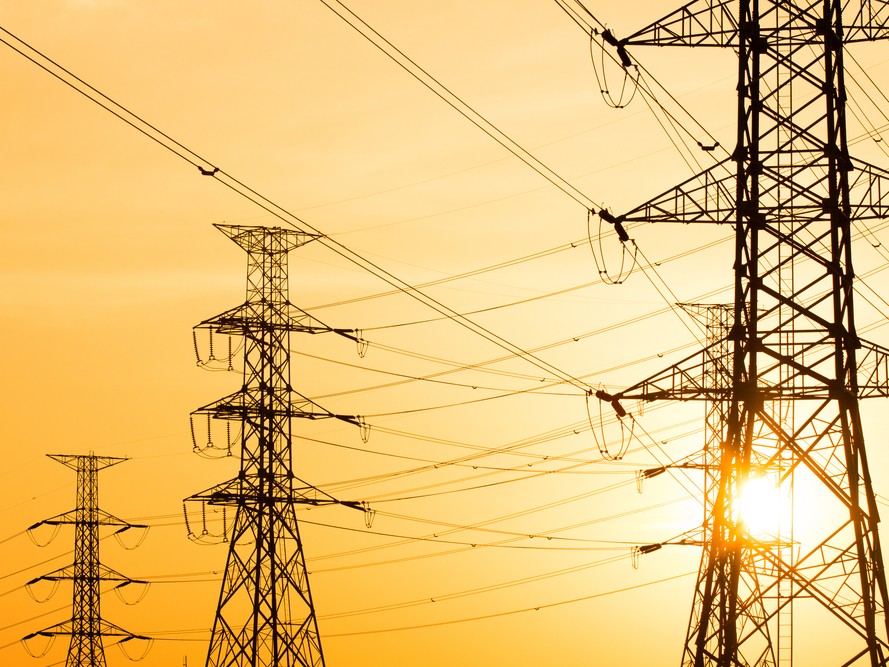
Recent revelations from a leaked report have sparked concerns regarding the United Kingdom's ambitious net zero strategy. The document, commissioned by the national grid system, highlights that the current push towards sustainable energy could lead to increased electricity costs and a heightened vulnerability to blackouts. This alarming information was brought to light by a whistleblower who shared the report with The Times, revealing critical insights from energy consultancy firm Cornwall Insight, which was engaged by the National Energy System Operator (Neso).
The report indicates that Neso is struggling to keep pace with the complexities of the modern power system, particularly in the context of the government's aggressive green energy initiatives. The whistleblower described the situation as Neso being “flying blind,” suggesting that without accurate data and forecasting capabilities, the reliability of the energy grid could be significantly compromised. This raises pressing questions about the UK’s ability to meet its net zero targets without jeopardizing energy security.
One of the major repercussions of this energy transition could be the rise in electricity bills for consumers. As the report outlines, the transition to renewable energy sources, while necessary for environmental sustainability, could lead to inefficiencies and increased costs. Households and businesses may find themselves bearing the brunt of these financial burdens, potentially leading to public discontent and calls for a reassessment of energy policies.
In light of these revelations, the UK government faces mounting pressure to address the issues raised in the report. With the nation's commitment to achieving net zero emissions by 2050, stakeholders are urging for a more balanced approach that considers both the environmental and practical implications of energy policy. Experts suggest that better forecasting and investment in grid infrastructure are crucial to avoid the pitfalls identified in the leaked document. As the government prepares to respond, the focus will likely be on ensuring that the transition to green energy does not come at the expense of energy reliability.
The challenges highlighted in the leaked report are not unique to the UK; they reflect a broader global dilemma as countries race to adopt cleaner energy solutions. The shift towards renewable sources such as wind and solar power is essential for combating climate change, yet it also necessitates substantial changes to existing energy systems. The integration of these technologies into the national grid requires careful planning and execution to mitigate risks associated with supply and demand fluctuations.
Public reaction to the report has been mixed, with some citizens expressing concern over the potential for blackouts and rising costs, while others emphasize the need for transition to a sustainable future. Advocacy groups are calling for transparency and accountability from the government and energy operators, demanding that the challenges identified be addressed proactively. As the debate continues, the outcomes of this situation could have long-lasting implications for the UK's energy policy and its commitments to climate goals.
The leaked report serves as a crucial reminder of the complexities involved in transitioning to a net zero energy system. As the UK seeks to balance its environmental aspirations with the need for reliable power, it is imperative that policymakers take heed of the warnings issued by experts and implement strategies that ensure both sustainability and security. Only through careful planning, investment, and transparent governance can the UK hope to achieve its ambitious energy goals without compromising the well-being of its citizens.


Loading more news...
You've reached the end of our news feed. Check back later for more updates!