
Entertainment
പ്രദീപ് കുമാർ നന്തിയുടെ നന്തി മൂവീസ് മലയാളത്തിലേക്ക്; ഒപ്പം എ2വി നെറ്റ്വർക്ക്സും ഡ്രീം ബിഗ് ഫിലിംസും
September 10, 2026
3,344 views
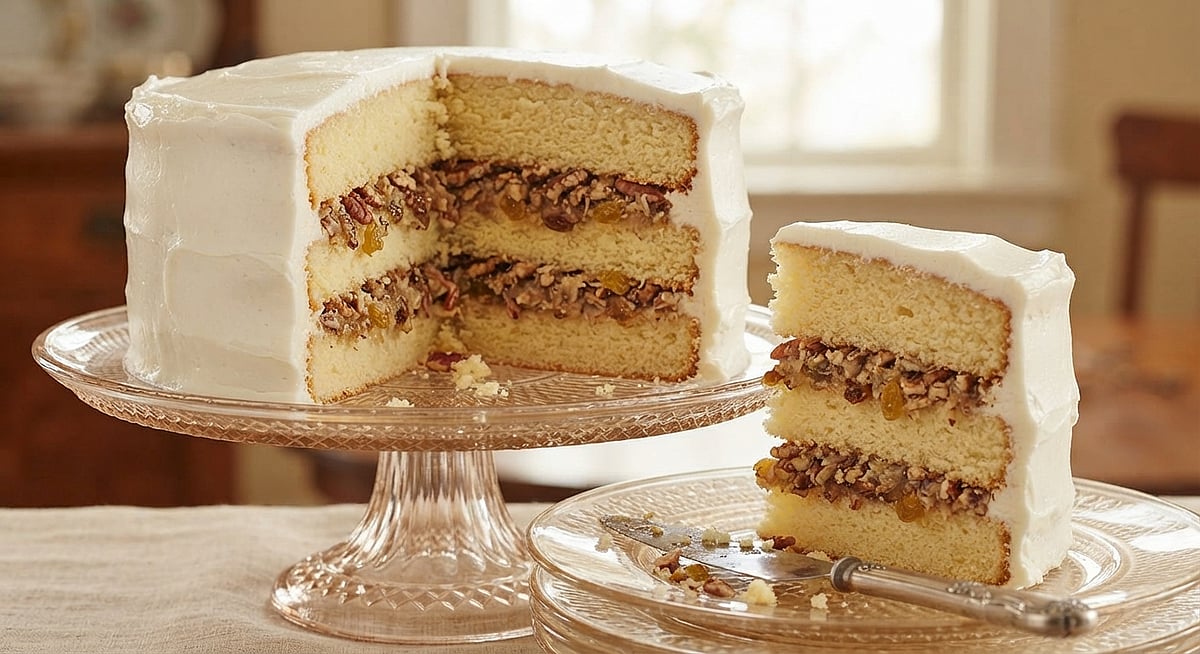
Lane Cake, a decadent layered dessert originating from the southern United States, has become more than just a sweet treat; it has solidified its place in American literature and culture. Known for its rich flavors and boozy custard filling, this cake is not only a staple at celebrations but also a symbol of southern hospitality and tradition. Its literary significance, particularly in Harper Lee's classic novel To Kill a Mockingbird, has elevated its status to that of a cultural icon, intertwining its history with themes of community, resilience, and the complexities of American life.
Lane Cake traces its origins back to the late 19th century, developed by Emma Rylander Lane in Alabama. The cake was originally known as "Prize Cake," due to its popularity in local baking contests. Over time, it evolved into what we now recognize as Lane Cake, characterized by its layers of light, fluffy sponge cake separated by a rich filling made from butter, sugar, egg whites, and a generous amount of bourbon or whiskey. The cake is often adorned with nuts and dried fruits, adding texture and flavor to each slice.
The traditional recipe for Lane Cake includes several steps that require patience and skill, making it a labor of love. Bakers start by preparing the cake layers, which are typically made with all-purpose flour, sugar, butter, and eggs. Once the layers are baked to a golden perfection, the custard filling is prepared. This is where the magic happens; the filling combines whipped egg whites with a cooked mixture of sugar, milk, and vanilla, often enhanced with a splash of bourbon, creating a deliciously boozy experience. Assembling the cake involves stacking the layers with generous amounts of filling, and the final touch often includes a frosting of buttercream or a dusting of powdered sugar.
Lane Cake's most notable cultural impact comes from its appearance in Harper Lee's To Kill a Mockingbird. The novel captures the essence of southern life during the Great Depression and addresses themes of racial injustice and moral growth. In one memorable scene, the character Miss Maudie bakes a Lane Cake for the Finch family, symbolizing kindness, community, and the importance of sharing. This moment reflects the cake's role as a unifying force in the narrative, showcasing how food can bridge gaps between people and serve as a means of comfort and connection.
Today, Lane Cake remains a beloved dessert, with many bakers putting their unique spin on the traditional recipe. Some opt for different flavor profiles, incorporating chocolate or fruit purees into the layers, while others experiment with various liquors in the custard filling. Vegan and gluten-free adaptations have also emerged, allowing more people to enjoy this iconic dessert without compromising their dietary preferences. Lane Cake has transcended its origins to become a versatile dessert that can be enjoyed by all, further solidifying its status in contemporary American cuisine.
Whether served at family gatherings, weddings, or holiday celebrations, Lane Cake continues to be a centerpiece of southern culinary heritage. Its connection to To Kill a Mockingbird has ensured its place in literary discussions, while its delicious flavor keeps it relevant in the kitchens of dessert lovers across the country. Food enthusiasts and bakers alike celebrate Lane Cake not only for its taste but also for its cultural significance, serving as a reminder of the rich history and traditions that shape American identity.
Lane Cake is more than just a dessert; it is a symbol of southern tradition, community, and literary significance. Its rich history and evolution reflect the broader narrative of American culture, highlighting how food can connect us to our past while allowing us to create new memories. As we continue to enjoy and celebrate Lane Cake, we honor both the culinary craftsmanship of its makers and the literary legacy that has immortalized it in our hearts and minds.

Loading more news...
You've reached the end of our news feed. Check back later for more updates!