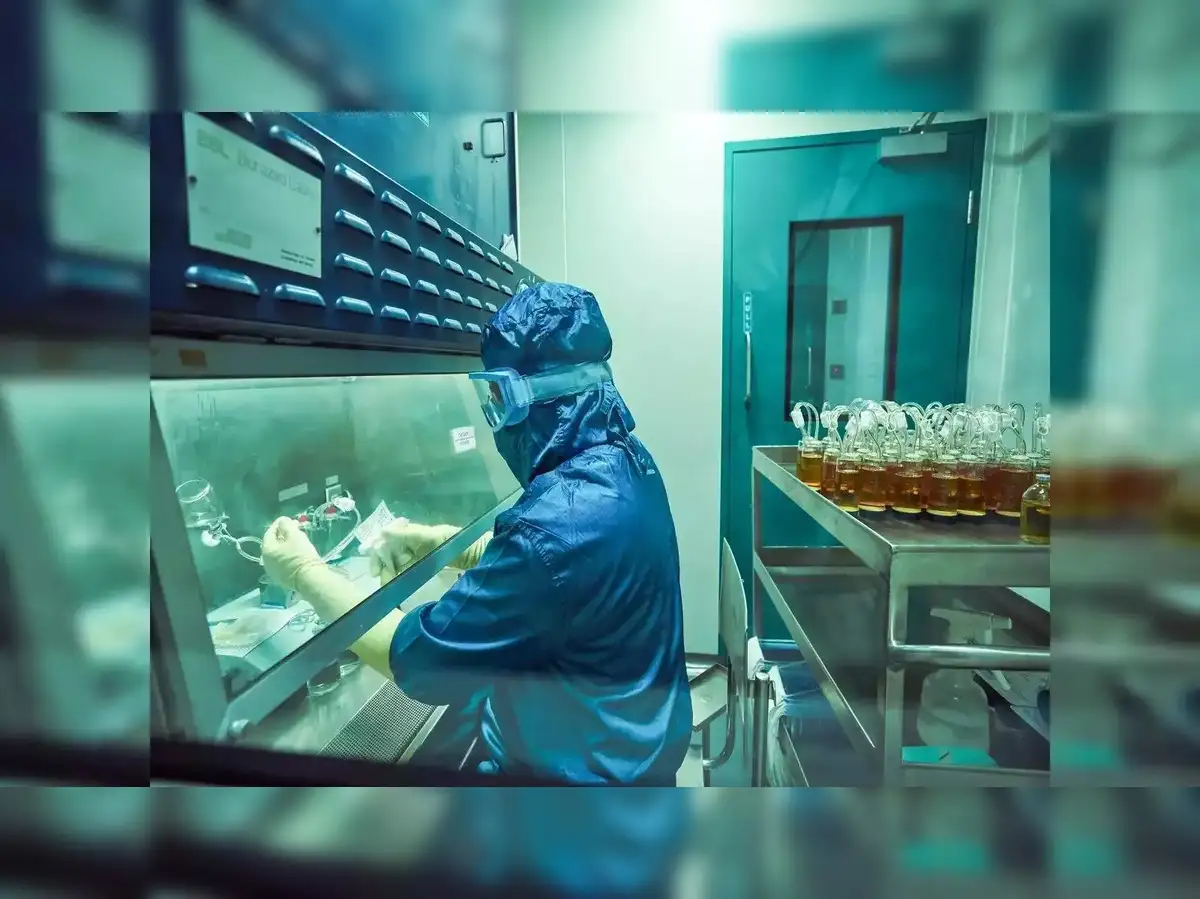
Karnataka\'s Bioeconomy Surges to $39 Billion: A Deep Dive into the State\'s Biotech Boom and What it Means for India
Bengaluru, India – In a significant testament to its strategic focus and burgeoning innovation ecosystem, Karnataka\'s bioeconomy has witnessed a remarkable surge, reaching an impressive $39 billion by 2025. This substantial growth, as highlighted in the recently released Karnataka Bioeconomy Report 2025, paints a vibrant picture of the state\'s ascent as a global hub for biotechnology and life sciences. The report, a collaborative effort between the Karnataka government\'s Department of Information Technology & Biotechnology (IT/BT) and the Association of Biotechnology Led Enterprises (ABLE), a prominent non-profit industry platform, reveals a remarkable expansion from an already formidable $31 billion just two years prior. This near 26% increase in a short span underscores the dynamism and potential of Karnataka\'s commitment to fostering a robust bio-sector, with implications extending far beyond the state\'s borders, positioning India on the global life sciences map.
This comprehensive analysis will delve into the intricate details of this remarkable achievement, dissecting the factors that have propelled Karnataka\'s bioeconomy to new heights. We will explore the historical context, the diverse stakeholders who have contributed to this growth, and the multifaceted analysis of why this bio-economic expansion is so crucial for the state and the nation. Furthermore, we will examine the chronological trajectory of this development, the key sectors driving the surge, and the promising future outlook, exploring the potential challenges and opportunities that lie ahead.
The Seeds of Growth: Karnataka\'s Deep-Dive Background & Context
To truly appreciate the magnitude of Karnataka\'s $39 billion bioeconomy, it\'s essential to understand the fertile ground upon which this growth has been cultivated. The state, and particularly its capital city Bengaluru, has long been recognized as India\'s Silicon Valley. This initial reputation in information technology provided a crucial foundation, fostering a culture of innovation, a skilled talent pool, and a supportive entrepreneurial spirit that has seamlessly translated into the life sciences domain.
A History of Visionary Policies and Investment:
Karnataka\'s journey into the biotech arena wasn\'t an overnight success. It was built on decades of deliberate policy-making and consistent investment in research and development infrastructure.
* Early Adopter of Biotech Policies: The state government was among the first in India to recognize the immense potential of biotechnology. As early as the late 1990s and early 2000s, proactive policies were formulated to encourage private investment and foster a conducive environment for biotech companies.
* Establishment of Dedicated Infrastructure: Recognizing the need for specialized facilities, Karnataka established dedicated biotech parks and incubation centers. These hubs provided much-needed laboratory space, access to shared equipment, and a collaborative environment for startups and established players alike.
* Focus on Research & Education: The state has consistently invested in its academic institutions, nurturing a strong pipeline of skilled researchers, scientists, and engineers. Prestigious institutions like the Indian Institute of Science (IISc), Indian Institute of Technology (IIT) Dharwad, and numerous universities have played a pivotal role in generating cutting-edge research and developing human capital.
* Attracting Global Talent and Investment: Karnataka\'s reputation for innovation and its supportive ecosystem have made it an attractive destination for both domestic and international biotech companies. This influx of talent and capital has further accelerated growth and fostered knowledge transfer.
The Synergy Between IT and BT:
The existing IT ecosystem in Bengaluru has proven to be an unexpected yet powerful catalyst for the bioeconomy. This synergy has manifested in several key areas:
* Data Science and Bioinformatics: The immense volumes of data generated in genomics, drug discovery, and clinical trials require sophisticated data analysis and computational power. Karnataka\'s established IT infrastructure and expertise in data analytics have provided a significant advantage in bioinformatics and computational biology.
* Digital Health Solutions: The integration of IT and healthcare has led to the rapid growth of digital health platforms, telemedicine, and AI-powered diagnostic tools. This is an area where Karnataka\'s IT prowess directly contributes to the bioeconomy.
* Software and Hardware for Life Sciences: The development of specialized software for research, laboratory management, and clinical trials, as well as advanced hardware for imaging and diagnostics, has benefited from the state\'s IT expertise.
* Entrepreneurial Culture: The \"fail fast, learn faster\" ethos prevalent in the startup culture of Bengaluru has permeated the biotech sector, encouraging innovation and risk-taking.
The Role of ABLE and Industry-Government Collaboration:
The partnership between the Karnataka government and ABLE is a cornerstone of the state\'s bioeconomic success. ABLE, with its mandate to promote and represent the Indian biotechnology industry, has been instrumental in:
* Policy Advocacy: Working closely with the government to shape favorable policies, regulations, and incentives for the biotech sector.
* Industry Networking and Collaboration: Facilitating connections between academia, industry, and government, fostering a collaborative ecosystem.
* Knowledge Sharing and Skill Development: Organizing workshops, seminars, and training programs to enhance the skills of the biotech workforce.
* Promoting Investment: Actively working to attract domestic and foreign investment into the state\'s biotech companies.
This symbiotic relationship ensures that government initiatives are aligned with industry needs and that the private sector has a strong voice in policy formulation.
Multi-faceted Analysis: Why Karnataka\'s Bioeconomy Boom Matters and Who\'s Involved
The $39 billion figure is more than just a number; it represents a significant economic, social, and scientific advancement. The growth of Karnataka\'s bioeconomy has profound implications for the state, India, and the global landscape.
Why It Matters:
* Economic Powerhouse:
* Job Creation: The bioeconomy is a significant creator of high-skilled, well-paying jobs, spanning research, development, manufacturing, sales, and marketing. This contributes to economic prosperity and reduces unemployment.
* Revenue Generation: Increased economic activity translates into higher tax revenues for the government, which can then be reinvested in public services and infrastructure development.
* Foreign Exchange Earnings: A thriving biotech sector can attract foreign investment and also export high-value products and services, contributing to foreign exchange reserves.
* Diversification of Economy: The growth of the bioeconomy reduces reliance on traditional sectors, making the state\'s economy more resilient and diversified.
* Healthcare Advancements:
* Innovation in Pharmaceuticals and Biologics: Karnataka is becoming a hub for the development of new drugs, vaccines, and therapies, addressing critical health challenges both domestically and globally.
* Improved Diagnostics: The sector\'s focus on advanced diagnostics leads to earlier and more accurate disease detection, improving patient outcomes.
* Affordable Healthcare Solutions: The emphasis on cost-effective research and manufacturing can lead to more affordable healthcare solutions for a larger population.
* Personalized Medicine: Advances in genomics and data analytics are paving the way for personalized medicine, tailoring treatments to individual genetic profiles.
* Agricultural Revolution:
* Enhanced Crop Yields: Biotechnology plays a crucial role in developing genetically modified crops with increased yields, pest resistance, and nutritional value, addressing food security concerns.
* Sustainable Agriculture: Development of bio-fertilizers, bio-pesticides, and climate-resilient crops contributes to more sustainable agricultural practices, reducing environmental impact.
* Animal Husbandry: Advancements in veterinary biotechnology lead to improved animal health, increased productivity, and better disease management in livestock.
* Environmental Sustainability:
* Bioremediation: Biotechnology offers solutions for cleaning up pollution and waste through biological processes.
* Biofuels and Renewable Energy: Development of biofuels and other bio-based energy sources can reduce reliance on fossil fuels and contribute to a greener future.
* Waste Management: Biodegradable materials and bio-processes for waste decomposition offer environmentally friendly alternatives.
* Global Competitiveness:
* India\'s Rise in Biotech: Karnataka\'s success contributes significantly to India\'s ambition of becoming a global leader in the life sciences sector, challenging established players.
* Attracting Global R&D: The state\'s strong research capabilities and intellectual property protection can attract global R&D centers, further enhancing its standing.
Key Stakeholders Involved:
The $39 billion bioeconomy is a tapestry woven by the collective efforts of various stakeholders:
* The Karnataka State Government (IT/BT Department): As the primary enabler, the government formulates policies, provides incentives, invests in infrastructure, and facilitates a conducive regulatory environment. Their visionary approach has been paramount.
* Association of Biotechnology Led Enterprises (ABLE): This non-profit industry platform acts as a crucial bridge between the government and the private sector, advocating for industry needs, fostering collaboration, and promoting the growth of biotech companies.
* Biotechnology Companies (Startups, SMEs, and MNCs): These are the engines of innovation and economic activity. They range from nimble startups developing cutting-edge solutions to established multinational corporations with significant R&D and manufacturing capabilities.
* Pharmaceuticals & Biologics: Companies developing novel drugs, vaccines, biosimilars, and therapeutic proteins.
* Agri-Biotech: Firms focused on crop improvement, bio-fertilizers, and animal health.
* Industrial Biotech: Companies utilizing biological processes for manufacturing chemicals, materials, and biofuels.
* Bioinformatics & Digital Health: Companies leveraging IT and data science for healthcare solutions and research.
* Contract Research and Manufacturing Organizations (CROs/CMOs): Providing specialized services to other biotech and pharma companies.
* Academic and Research Institutions:
* Indian Institute of Science (IISc), Bengaluru: A premier research institution driving fundamental scientific discovery and technological innovation.
* Indian Institute of Technology (IIT) Dharwad: Contributing to engineering and technology research relevant to the bioeconomy.
* Universities and Colleges: Providing a steady stream of skilled graduates and conducting applied research.
* National Laboratories: Government-funded research institutions contributing to specific areas of biotechnology.
* Venture Capitalists and Investors: Providing the crucial financial fuel for startups and early-stage companies to scale their operations and bring innovations to market.
* Industry Associations and Chambers of Commerce: While ABLE is specific to biotech, broader industry bodies also play a role in advocacy and facilitating business growth.
* Skilled Workforce (Scientists, Researchers, Engineers, Technicians): The backbone of the industry, their expertise and dedication are indispensable.
* Patients and Consumers: Ultimately, the beneficiaries of the innovations and improved healthcare, agriculture, and environmental solutions offered by the bioeconomy.
A Timeline of Transformation: Karnataka\'s Bioeconomy Unpacked
The journey to $39 billion is not a sudden leap but a testament to sustained efforts and strategic milestones. While a precise day-by-day account is beyond the scope of this article, we can outline the key phases and drivers that have shaped Karnataka\'s bioeconomic landscape.
Early Years (Late 1990s - Early 2000s): Laying the Foundation
* Policy Formulation: The Karnataka government begins drafting and implementing its first Biotechnology Policy, recognizing the sector\'s potential. Emphasis is placed on creating an investor-friendly environment.
* Infrastructure Development: The establishment of the Bengaluru Bio-Innovation Centre (BIC) and other early incubation facilities marks the beginning of dedicated infrastructure support for biotech startups.
* Academic Prowess: IISc and other premier institutions continue to strengthen their research output in life sciences, creating a pool of highly qualified human resources.
* Early Industry Presence: A few pioneering biotech companies, both domestic and international, begin to establish a presence, attracted by the nascent ecosystem and government support.
The Growth Spurt (Mid-2000s - Late 2010s): Building Momentum
* Biotechnology Policy Updates: Regular revisions and enhancements to the state\'s biotech policies, incorporating industry feedback and emerging trends. Introduction of fiscal incentives, R&D grants, and tax benefits.
* Expansion of Infrastructure: The development of larger, more sophisticated biotechnology parks such as Bangalore Helix Biotech Park and others provides state-of-the-art facilities for R&D, manufacturing, and pilot plants.
* Rise of ABLE: The Association of Biotechnology Led Enterprises (ABLE) gains prominence as a unified voice for the industry, actively engaging with the government and fostering collaboration.
* Increased Investment: Venture capital and private equity firms begin to recognize the potential of the Indian biotech sector, with Karnataka becoming a preferred destination for investment.
* Diversification of Sectors: The focus expands beyond traditional pharmaceuticals to include agri-biotech, industrial biotech, and bioinformatics.
* Global Recognition: Karnataka starts gaining international recognition as a competitive hub for biotech research and manufacturing.
The Accelerated Surge (Late 2010s - 2025): Reaching New Heights
* Digital Transformation: The synergy between IT and BT intensifies. Companies leverage AI, machine learning, and big data analytics for drug discovery, diagnostics, and personalized medicine.
* Focus on Emerging Technologies: Increased investment and research in areas like gene editing (CRISPR), synthetic biology, regenerative medicine, and microbiome research.
* Government Initiatives: The IT/BT department of Karnataka launches targeted initiatives to promote specific sub-sectors, foster innovation ecosystems, and attract further investment.
* Pandemic Response: The COVID-19 pandemic, while challenging, also highlighted the critical importance of the biotech sector. Karnataka\'s companies played a role in vaccine development, diagnostics, and therapeutic research, further boosting the sector\'s profile and investment.
* Report Culmination ($31 Billion to $39 Billion): The \"Karnataka Bioeconomy Report 2025\" underscores the dramatic growth from $31 billion in 2023 to $39 billion in 2025, reflecting the culmination of years of strategic planning and execution. This period signifies a significant acceleration in growth, driven by both established players and a vibrant startup ecosystem.
* Continued Policy Support: Ongoing commitment from the government to refine policies, streamline regulations, and provide continued support for research, development, and commercialization.
Key Sectors Driving the Growth:
* Biopharmaceuticals and Biologics: This remains a dominant sector, encompassing the development and manufacturing of complex biological drugs, vaccines, and biosimilars. Karnataka is a hub for both R&D and large-scale manufacturing.
* Agri-Biotechnology: Companies are focused on developing high-yield, pest-resistant, and nutritionally enhanced seeds, as well as bio-fertilizers and bio-pesticides. This sector is crucial for food security and sustainable agriculture.
* Industrial Biotechnology: The use of biological processes for the production of chemicals, enzymes, biofuels, and biodegradable materials is gaining traction, offering sustainable alternatives to traditional manufacturing.
* Bioinformatics and Computational Biology: Leveraging India\'s IT strength, this sector is crucial for analyzing vast biological datasets, enabling drug discovery, personalized medicine, and genomic research.
* Healthcare Solutions and Diagnostics: The development of advanced diagnostic kits, medical devices, and digital health platforms, often integrating AI and IoT, is a rapidly growing segment.
* Contract Research and Manufacturing Services (CRAMS): Karnataka\'s well-equipped infrastructure and skilled workforce attract global companies looking to outsource R&D and manufacturing, contributing significantly to the bioeconomy.
The Road Ahead: Future Outlook and Implications of Karnataka\'s Bioeconomy Boom
The $39 billion bioeconomy in 2025 is not an endpoint but a powerful launchpad for even greater achievements. The trajectory suggests a continued upward trend, with significant implications for Karnataka, India, and the global life sciences landscape.
Future Outlook:
* Continued Exponential Growth: Analysts predict that the bioeconomy will continue its robust growth, driven by ongoing innovation, increasing global demand for healthcare solutions, and supportive government policies. Projections for the coming years are optimistic, with potential to reach even higher valuations.
* Deepening Specialization: Karnataka is likely to further solidify its position in niche areas of biotechnology, such as advanced cell and gene therapies, personalized oncology, and synthetic biology, becoming a global center of excellence for these cutting-edge fields.
* Increased Global Collaboration: The state will likely witness a surge in international collaborations, joint ventures, and R&D partnerships, attracting more foreign investment and facilitating knowledge exchange.
* Focus on Sustainable Solutions: The bioeconomy will play an increasingly vital role in addressing global challenges related to climate change, food security, and environmental sustainability through the development of bio-based solutions.
* Digital Integration: The seamless integration of digital technologies, including AI, IoT, and blockchain, will continue to revolutionize drug discovery, clinical trials, supply chain management, and patient care within the bioeconomy.
* Emergence of Bio-Manufacturing Hubs: Beyond Bengaluru, other regions within Karnataka may also develop specialized bio-manufacturing capabilities, decentralizing growth and creating new economic opportunities.
Implications:
* For Karnataka:
* Economic Prosperity: Continued job creation, increased revenue, and diversification of the state\'s economic base.
* Global Biotechnology Hub: Enhanced international reputation as a leader in biotech innovation, research, and manufacturing.
* Improved Public Health: Access to cutting-edge healthcare solutions, diagnostics, and affordable medicines for its citizens.
* Skilled Workforce Development: A continuous demand for highly skilled professionals, leading to a focus on specialized education and training programs.
* Sustainable Development: Contribution to environmental solutions through bio-based technologies.
* For India:
* \"Make in India\" and \"Atmanirbhar Bharat\" Success Story: Karnataka\'s bioeconomy growth serves as a prime example of India\'s manufacturing prowess and self-reliance in a critical sector.
* Global Life Sciences Powerhouse: Karnataka\'s success amplifies India\'s position on the global stage, attracting investment and R&D opportunities.
* Addressing National Health Priorities: Contribution to developing affordable and accessible healthcare solutions for the entire nation.
* Agricultural Innovation: Role in enhancing food security and promoting sustainable agricultural practices across India.
* Technological Leadership: Showcasing India\'s capability in leveraging technology for scientific advancement.
* For the Global Landscape:
* Access to Innovation: Global access to innovative drugs, therapies, and agricultural solutions developed in Karnataka.
* Competitive Landscape: Increased competition in the global biotech market, potentially driving down costs and accelerating innovation.
* Addressing Global Challenges: Karnataka\'s contributions to sustainable solutions for climate change, food security, and pandemics will have a worldwide impact.
* Knowledge Hub: Serving as a model for other regions looking to develop their own thriving bioeconomies.
Potential Challenges and Opportunities:
While the outlook is bright, Karnataka\'s bioeconomy, like any rapidly evolving sector, will face its share of challenges and opportunities:
* Challenges:
* Talent Acquisition and Retention: Maintaining a pipeline of highly skilled professionals and competing globally for top talent.
* Regulatory Hurdles: Navigating complex and evolving regulatory frameworks for new technologies and products.
* Intellectual Property Protection: Ensuring robust IP protection to foster innovation and attract investment.
* Funding Access for Early-Stage Companies: While VC funding is growing, ensuring adequate support for the very earliest stages of innovation remains crucial.
* Ethical Considerations: Addressing the ethical implications of advanced biotechnologies like gene editing.
* Global Competition: Remaining competitive against established biotech hubs worldwide.
* Opportunities:
* Emerging Markets: Leveraging India\'s large domestic market and expanding into other emerging economies.
* Precision Medicine: Capitalizing on the growing trend towards personalized healthcare.
* Bio-manufacturing Scale-up: Developing advanced bio-manufacturing capabilities to meet global demand.
* Sustainable Bio-products: Leading the development of eco-friendly alternatives in various industries.
* Digital Health Integration: Further leveraging digital technologies to create innovative healthcare solutions.
Conclusion: A Beacon of Innovation for India\'s Bio-Future
The $39 billion bioeconomy mark for Karnataka in 2025 is a monumental achievement, a clear indicator of the state\'s strategic foresight, robust policy framework, and vibrant ecosystem. This figure, a significant leap from $31 billion just two years prior, is not merely an economic statistic; it represents the tangible impact of innovation, research, and entrepreneurial spirit transforming lives and shaping the future.
Karnataka has meticulously cultivated a fertile ground for biotechnology to flourish, blending its existing IT prowess with a dedicated focus on life sciences. The synergistic collaboration between the government, led by the IT/BT department, and industry stalwarts like ABLE, has been instrumental in this success. From pioneering policies and world-class infrastructure to nurturing a highly skilled talent pool, every element has been strategically aligned to foster growth.
The implications of this bioeconomic surge extend far beyond the state\'s borders. It positions India as a formidable player in the global life sciences arena, contributing to national goals of self-reliance, economic prosperity, and improved public health. The innovations emerging from Karnataka are poised to address critical healthcare needs, revolutionize agriculture for enhanced food security, and offer sustainable solutions to environmental challenges.
As Karnataka continues on this upward trajectory, the focus will undoubtedly be on deepening specialization, fostering global collaborations, and embracing emerging technologies. While challenges remain, the opportunities are immense. The $39 billion bioeconomy is a testament to what can be achieved when vision, policy, and execution converge. It stands as a beacon of innovation, illuminating the path forward for India\'s bio-future and solidifying Karnataka\'s reputation as a global powerhouse in the realm of biotechnology and life sciences.