Health
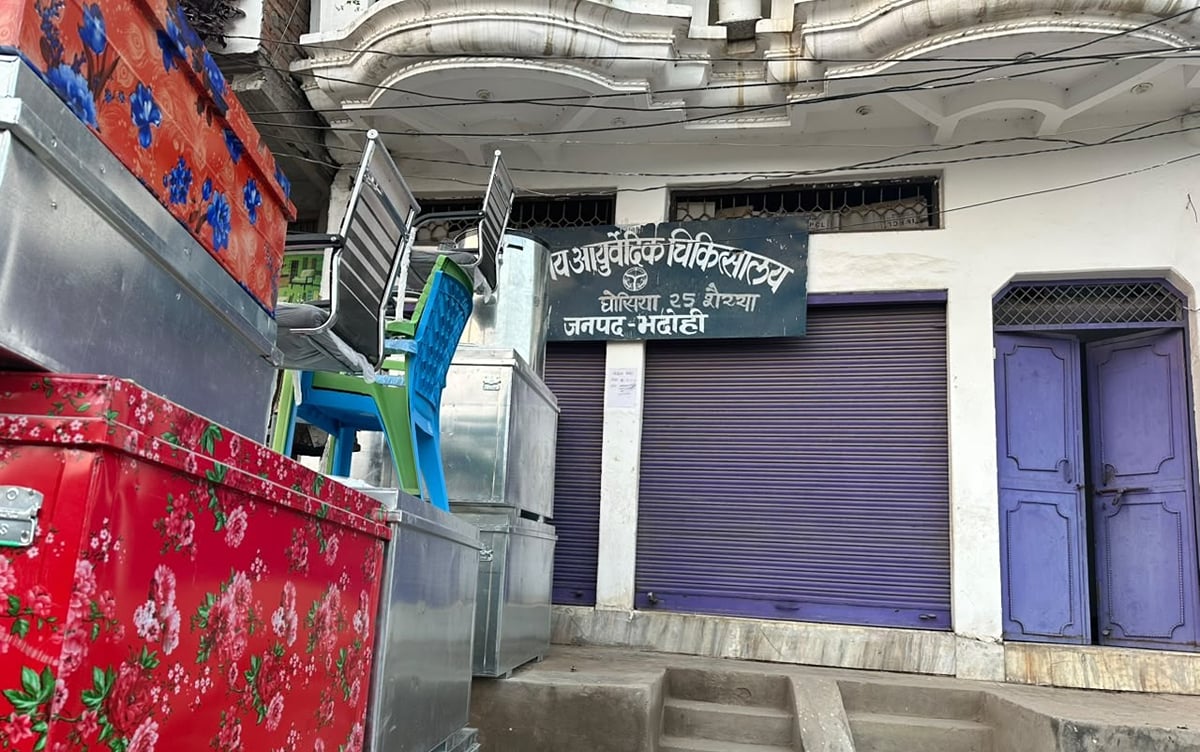
Bhadohi News: 26 में से 25 आयुर्वेद अस्पतालों में मरीजों को भर्ती करने के लिए एक भी बेड नहीं
October 9, 2026
1,115 views

Jharkhand's ambitious 100-day free anti-cervical cancer vaccination drive for girls aged 14-15 is facing significant challenges as it progresses slowly. In the first fortnight of the initiative, the state has only managed to achieve a meager 1.26% coverage, raising concerns among health officials and community leaders alike. The low participation rates are particularly alarming in the Palamu district, which has been identified as lagging significantly behind other regions. In response to these challenges, the local administration has initiated a comprehensive sensitization campaign aimed at educating parents and dispelling myths surrounding the vaccine's safety and effectiveness.
Cervical cancer is one of the leading causes of cancer-related deaths among women worldwide, with the disease being primarily caused by the human papillomavirus (HPV). Vaccination against HPV has proven effective in preventing the onset of cervical cancer, making it crucial for young girls, particularly those in the 14-15 age group, to receive the vaccine. The introduction of the vaccination drive in Jharkhand was a significant step towards improving public health and reducing the burden of cervical cancer in the region.
Despite the clear benefits of the vaccination, the slow coverage can be attributed to several factors. Firstly, there is a persistent lack of awareness among parents about the importance of the vaccine, compounded by widespread misinformation regarding its safety. Many parents harbor concerns about potential side effects and the necessity of vaccinating their daughters at such a young age. Moreover, cultural beliefs and societal norms also play a significant role in influencing parental attitudes towards health interventions.
Palamu district serves as a case study for the challenges faced in the vaccination drive. The area's low coverage rates have prompted health officials to take immediate action. The administration has collaborated with the education department to launch a series of awareness programs in schools. These programs aim to educate both students and their parents about the vaccine, its benefits, and the importance of early vaccination.
The sensitization campaign involves organizing workshops, distributing informative pamphlets, and conducting interactive sessions to address any fears or concerns that parents may have. Emphasis is placed on personal stories and testimonials from women who have been vaccinated, highlighting the positive outcomes and the protective effects of the vaccine. Local health workers are also being trained to engage with the community effectively, providing them with the tools necessary to answer questions and alleviate fears regarding the vaccination.
The government of Jharkhand recognizes the urgency of increasing vaccination rates and has committed to overcoming the barriers that hinder progress. Future plans include enhancing outreach efforts through mass media campaigns, interactive social media engagement, and collaborations with local NGOs to expand the reach of information. By leveraging various platforms, the administration hopes to create a more informed community that understands the critical importance of cervical cancer vaccination.
The slow progress of the cervical cancer vaccination drive in Jharkhand, particularly in the Palamu district, is a wake-up call for health officials, educators, and community leaders. It underscores the necessity for a united front in addressing parental concerns and fostering a culture of health awareness. As the drive continues, it is imperative that all stakeholders work collaboratively to ensure that every eligible girl receives the protection that the HPV vaccine offers.

Loading more news...
You've reached the end of our news feed. Check back later for more updates!