
Politics
Tamil Nadu: DMK holds vote share despite bypoll defeats, weakened alliance
October 10, 2026
3,136 views
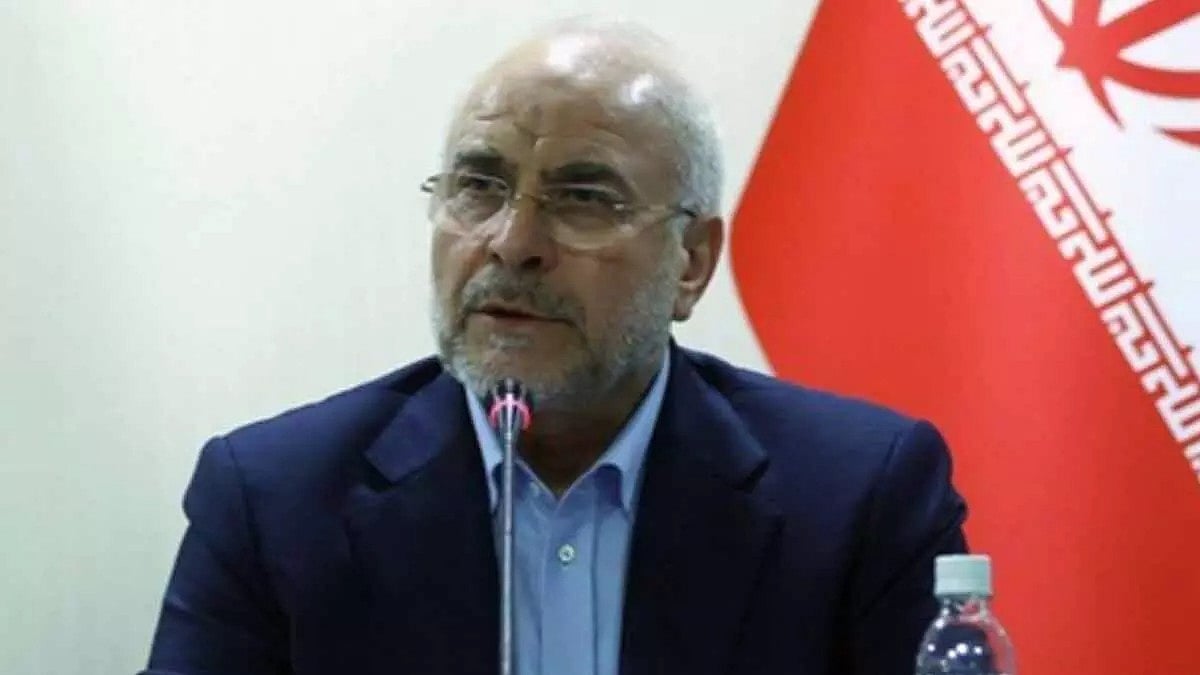
In a recent statement that has reverberated through diplomatic channels, Mohammad Baqer Qalibaf, the Speaker of Iran’s Parliament, emphasized the crucial role of trust in international relations. He articulated that for the United States to effectively navigate its way out of the ongoing conflict with Iran, it is imperative that the US takes concrete steps to restore trust among the Iranian populace. This assertion comes against a backdrop of heightened tensions that have characterized US-Iran relations over the past few years, particularly following the withdrawal of the US from the Joint Comprehensive Plan of Action (JCPOA) in 2018.
Trust is often cited as a fundamental pillar in any diplomatic engagement. Qalibaf's remarks highlight a growing sentiment within Iran that the US must not only engage in dialogue but also demonstrate a commitment to honoring past agreements. The Iranian leadership has expressed that without tangible actions that reflect a genuine intention to rebuild relations, any diplomatic overtures from Washington may be viewed with skepticism. This perspective is not unique to Iran; many nations have experienced a similar sense of distrust when faced with unilateral actions from more powerful countries.
The relationship between the United States and Iran has been fraught with challenges since the 1979 Iranian Revolution, which saw the overthrow of the US-backed Shah. Since then, the two nations have been locked in a cycle of hostility, punctuated by moments of tentative diplomacy. The JCPOA, agreed upon in 2015, was seen as a breakthrough that aimed to limit Iran's nuclear capabilities in exchange for the lifting of economic sanctions. However, the US withdrawal from the deal under President Donald Trump led to a significant deterioration in relations, prompting Iran to gradually ramp up its nuclear activities.
As tensions escalate in the region, Qalibaf's comments underscore a pivotal moment for both nations. The Iranian Parliament Speaker's emphasis on trust is a call to action for the Biden administration, which has sought to re-engage with Iran but faces internal and external pressures. Many analysts argue that the US must approach negotiations with a clear strategy that includes lifting sanctions and providing economic incentives to foster a more conducive environment for dialogue.
The implications of US-Iran relations extend beyond bilateral ties. The broader Middle Eastern landscape is deeply affected by the dynamics between these two nations. A perceived thaw in relations could lead to a reduction in regional tensions, impacting various ongoing conflicts, including those in Syria, Yemen, and Iraq. Conversely, continued hostility may embolden hardliners within Iran and the region, potentially leading to further escalations.
The international community watches closely as both Iran and the United States navigate this complex landscape. European nations, particularly those involved in the JCPOA negotiations, have expressed a keen interest in facilitating dialogue. They understand that a stable Iran is essential for regional security and economic prosperity. The challenge lies in balancing the interests of multiple stakeholders, including Israel and Gulf Arab states, who have their own concerns regarding Iran's influence.
As the situation evolves, the call from Qalibaf serves as a reminder that diplomacy requires more than just dialogue; it necessitates actions that build confidence and foster mutual understanding. For the US, this could mean reassessing its approach and finding ways to demonstrate goodwill, whether through diplomatic gestures or economic concessions. For Iran, it might involve a willingness to engage constructively while also addressing domestic pressures from hardliners who oppose any engagement with Washington.
Ultimately, the path to resolving the conflict will require both nations to engage in a process of rebuilding trust. As they navigate this intricate web of diplomacy, the eyes of the world will be watching, hoping for a resolution that not only benefits the two nations but also contributes to a more stable and peaceful Middle East.
Loading more news...
You've reached the end of our news feed. Check back later for more updates!