
Science
A Scorching Alien World Is Hiding an Atmospheric Imbalance That Webb Has Finally Exposed
October 15, 2026
1,619 views
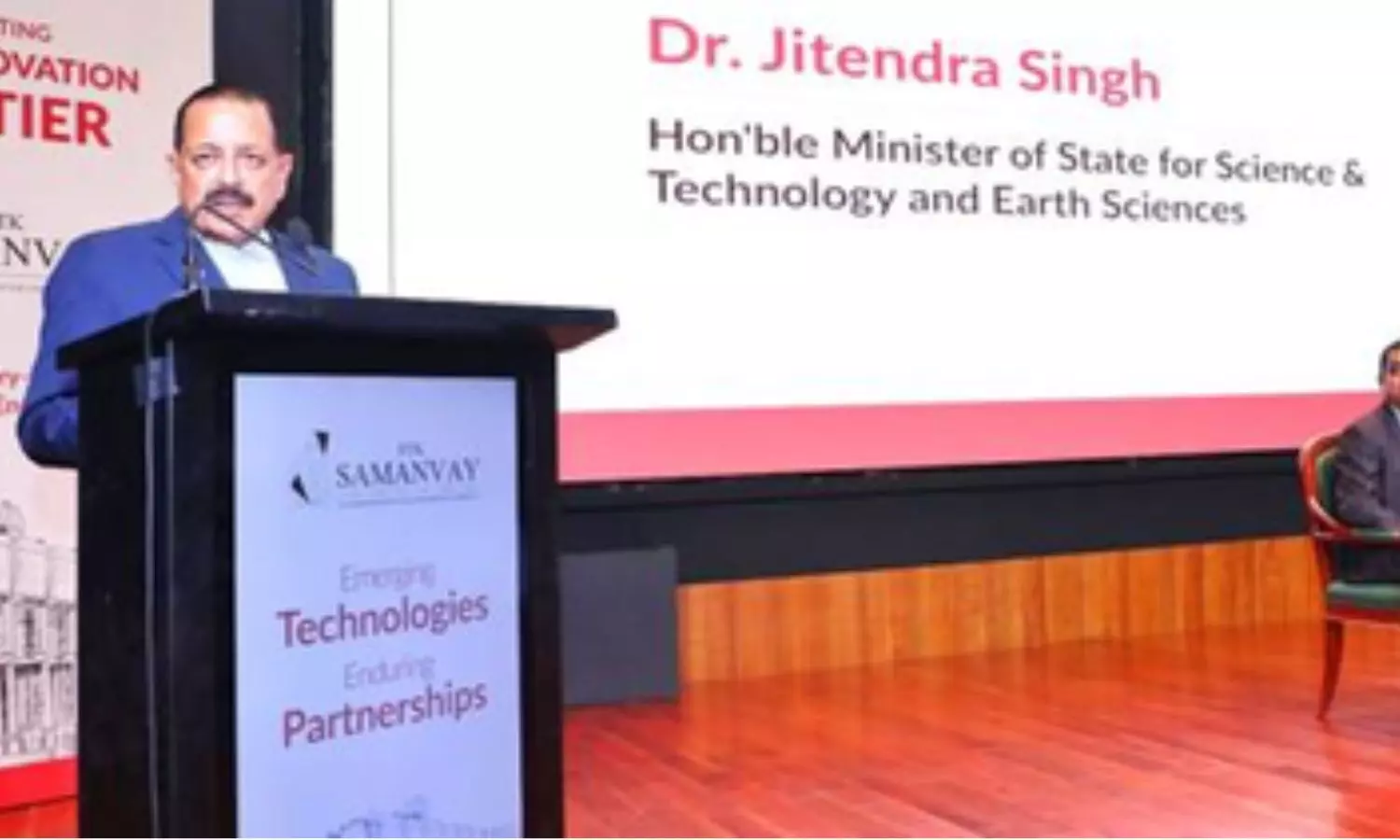
In a compelling address at the third edition of IITK Samanvay 2026, Dr. Jitendra Singh, a prominent figure in the realm of technology and innovation, emphasized the critical need for robust partnerships between industry and academia. He articulated that these collaborations are essential not only for nurturing innovative ideas but also for effectively translating them from concept to commercialisation. Highlighting the immense potential of deep technologies, Dr. Singh advocated for enhanced domestic and international investment to drive advancement in this sector.
Deep technologies, which include artificial intelligence, blockchain, biotechnology, and advanced materials, are reshaping industries and redefining the boundaries of what is possible. Dr. Singh pointed out that while India has made significant strides in technological innovation, the pace of development must accelerate to keep up with global competitors. The potential for growth in this sector is immense, and it can contribute significantly to the nation’s economy.
According to Dr. Singh, the involvement of industry in research initiatives is paramount. Companies can provide not just funding but also real-world insights that can help researchers understand market needs and challenges. This symbiotic relationship can lead to the development of solutions that are not only innovative but also commercially viable.
Dr. Singh also called for a stronger culture of research philanthropy, urging both corporations and individuals to invest in research initiatives. By fostering a culture that values and supports research, India can unlock a treasure trove of innovations that can propel the nation forward. He stated that philanthropic investments in research can help bridge the funding gap that often stifles innovative projects at their inception.
Philanthropy in research can play a transformative role, especially in deep technologies, which often require substantial investment and long-term commitment. Dr. Singh’s call to action is a reminder that nurturing innovation is not solely the responsibility of the government or academic institutions; it is a collective responsibility that includes all stakeholders.
To realize the vision of a thriving innovation ecosystem, Dr. Singh stressed the importance of creating platforms for dialogue and collaboration between researchers, industry leaders, and policymakers. He suggested that initiatives like IITK Samanvay serve as excellent models for fostering such interactions. These platforms can facilitate knowledge sharing, networking, and collaborative projects that can lead to significant breakthroughs.
Dr. Singh also highlighted the need for policy frameworks that encourage innovation and protect intellectual property rights. A supportive regulatory environment can further incentivize investments in research and development, making it easier for start-ups and established companies alike to engage in innovative activities.
Educational institutions, especially those at the forefront of research like the Indian Institute of Technology Kanpur (IITK), play a pivotal role in this ecosystem. Dr. Singh pointed out that these institutions must evolve to meet the changing demands of industry and society. By aligning curricula with industry needs and fostering an entrepreneurial mindset among students, educational institutions can produce a workforce that is not only skilled but also innovative.
Furthermore, partnerships between universities and industries can lead to joint research initiatives that benefit both parties. By working together, they can tackle complex problems and create solutions that have a real-world impact. Dr. Singh's vision for collaborative efforts between academia and industry is essential for driving India's technological advancement.
Dr. Jitendra Singh’s address at IITK Samanvay 2026 serves as a clarion call for all stakeholders involved in the technological landscape. The need for industry-researcher partnerships, increased investment in deep technologies, and a culture of research philanthropy cannot be overstated. As India aims to position itself as a global leader in innovation, it is imperative that all players in the ecosystem work together to foster an environment conducive to creativity and advancement.
Through collaborative efforts, investment, and a commitment to nurturing research, India can unlock its full potential and pave the way for a future where technology plays a pivotal role in improving the quality of life for its citizens. The journey from concept to commercialisation is fraught with challenges, but with the right partnerships and investment, it can lead to remarkable achievements that benefit society as a whole.


Loading more news...
You've reached the end of our news feed. Check back later for more updates!