Politics
धरना-प्रदर्शनों का नया कारोबार: लोकतंत्र की आड़ में आखिर किसके हित साधे जा रहे हैं?
October 10, 2026
1,612 views
India striving to evolve common BRICS position on West Asia
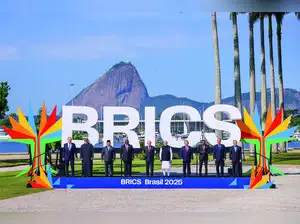
As the world grapples with escalating tensions in West Asia, India has taken on the pivotal role of chairing the BRICS bloc, which includes Brazil, Russia, India, China, and South Africa, among others. The ongoing crisis has posed significant challenges to the organization, which is striving for a unified stance amidst differing views among its member nations. With some BRICS countries directly involved in the conflict, achieving a consensus has proven to be a complex and delicate endeavor.
In the landscape of international relations, the BRICS nations represent a significant economic and political bloc that can influence global decisions. The crisis in West Asia, which has seen a surge in violence and humanitarian concerns, necessitates a cohesive response from the BRICS members. A unified stance is not just essential for the credibility of the group, but also for promoting peace and stability in a region that has far-reaching implications for global security and trade.
India's diplomatic efforts are focused on facilitating dialogue among the 11 member states of BRICS to bridge the gaps in their perspectives. The challenge is multifaceted, as each country has its own national interests and foreign policy objectives that shape its views on the West Asia crisis. For instance, while some nations may prioritize humanitarian concerns, others may be more focused on strategic alliances or economic interests.
The differing viewpoints among BRICS members have emerged as a major hurdle in formulating a joint statement on the West Asia crisis. Countries like Russia and China have historically maintained close ties with certain regimes in the region, while India has its own diplomatic engagements. This divergence in relationships complicates the process of aligning interests and perspectives.
India's role as the chair of BRICS comes at a critical time. With its strong diplomatic ties and a strategic vision for the group, India is well-positioned to lead the efforts for a unified stance. The Indian government has emphasized the need for dialogue and negotiation as essential tools for conflict resolution. By advocating for peaceful solutions and multilateral discussions, India aims to steer the BRICS bloc towards a collective approach.
The success of India's efforts in unifying BRICS on the West Asia crisis could have far-reaching implications not only for the member nations but also for the international community. A cohesive BRICS response could enhance the bloc's influence in global geopolitics and its ability to advocate for peace and stability in conflict-ridden areas.
Moreover, a unified stance can also facilitate humanitarian assistance and support for conflict resolution initiatives. The BRICS nations, armed with a collective voice, can push for international cooperation to address the root causes of the crisis, thereby contributing to a more stable and prosperous West Asia.
As India navigates the complexities of the West Asia crisis, the emphasis on unity within the BRICS bloc has never been more pressing. The organization's ability to present a united front will not only bolster its credibility but also enhance its role as a key player in global peacekeeping efforts. Through diplomatic engagement, dialogue, and a commitment to collective action, India is striving to lead BRICS towards a consensus that reflects the aspirations of its member nations while addressing the urgent humanitarian needs in West Asia.


Loading more news...
You've reached the end of our news feed. Check back later for more updates!