
Business
Invetech & MeMed win 2026 Good Design Award Gold for MeMed Key™
October 9, 2026
2,539 views
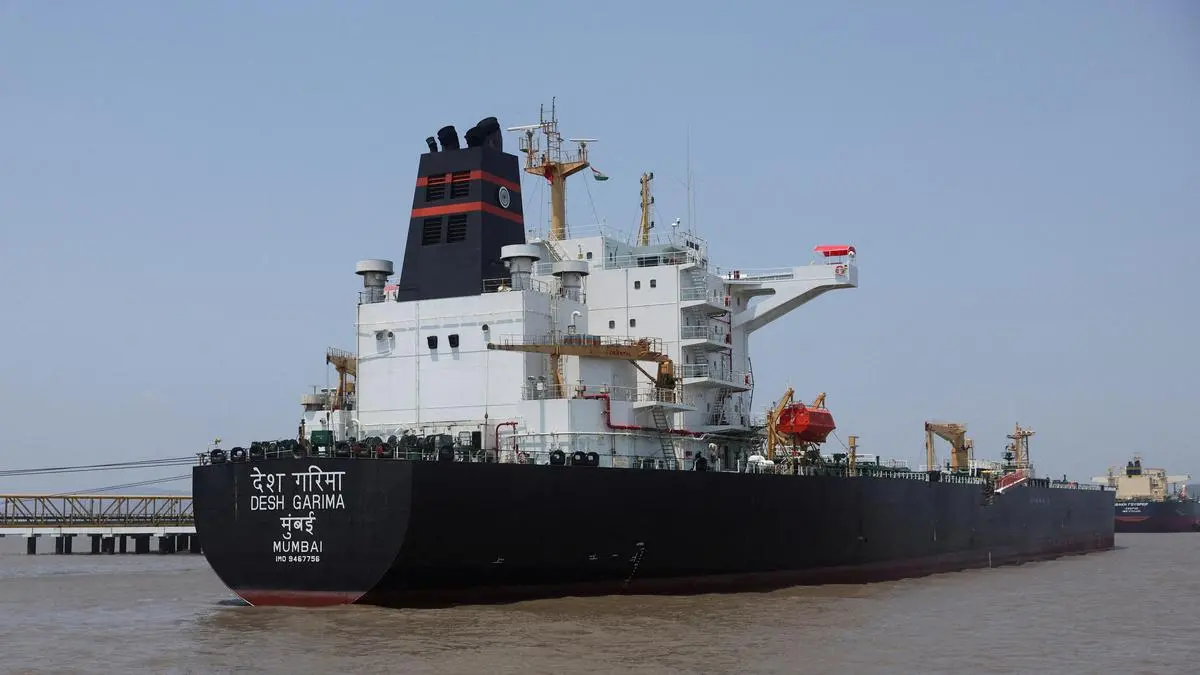
In a significant move to bolster its energy security and shipping capabilities, the Indian government has announced a substantial investment of ₹51,000 crore to expand its fleet of energy vessels. This initiative comes at a crucial juncture, as disruptions in West Asia have raised concerns about the stability of energy supplies. The expansion is aimed at enhancing India's capacity to transport vital energy resources, ensuring that the country remains resilient in the face of global energy market fluctuations.
The decision to fast-track the fleet expansion is primarily driven by the increasing uncertainties in the West Asian region, which has historically been a major supplier of crude oil and natural gas to India. Recent geopolitical tensions, coupled with fluctuating global oil prices, have underscored the need for India to strengthen its maritime capabilities. By investing in a robust fleet of vessels, the Indian government aims to reduce its dependence on foreign shipping services and enhance its strategic autonomy in energy transportation.
The ₹51,000 crore investment will be allocated towards the construction and acquisition of various types of vessels, including Very Large Crude Carriers (VLCCs), Liquefied Natural Gas (LNG) carriers, and product tankers. This diversified fleet will not only cater to the transportation needs of crude oil and natural gas but will also support the burgeoning renewable energy sector by facilitating the transport of biofuels and other alternative energy sources.
The government’s initiative also aligns with the broader vision of achieving self-reliance in the energy sector. By enhancing domestic shipping capabilities, India aims to minimize vulnerabilities associated with international shipping routes, which can be impacted by conflicts, piracy, and other disruptions. The expanded fleet is expected to play a pivotal role in securing energy supplies and stabilizing prices in the domestic market.
The fleet expansion is not just a strategic move; it also holds significant economic implications. The investment is anticipated to generate a substantial number of jobs across various sectors, including shipbuilding, maintenance, and maritime logistics. Furthermore, the initiative is expected to stimulate local economies by promoting related industries and attracting investments in the maritime sector.
In addition to job creation, the expansion of the energy fleet will enhance India’s standing in global shipping markets. A larger and more efficient fleet can improve India's competitiveness in international trade, particularly in energy exports. The government is optimistic that this initiative will lead to increased revenues from shipping activities and contribute positively to the national economy.
As part of the fleet expansion, the Indian government is also focusing on incorporating advanced technologies and sustainable practices in shipbuilding and operations. The new vessels will be designed to meet stringent environmental regulations, reducing greenhouse gas emissions and promoting cleaner energy transportation. This commitment to sustainability aligns with global efforts to combat climate change and supports India’s goals of transitioning towards a greener economy.
Additionally, the use of digital technologies and automation in the fleet operations is expected to enhance efficiency and safety. Implementing smart shipping solutions can optimize routes, reduce fuel consumption, and minimize operational costs, further strengthening India's position as a leader in maritime energy transportation.
The ₹51,000 crore investment in expanding India’s energy vessel fleet is a strategic leap forward in securing the nation’s energy supply chain amid global uncertainties. By enhancing maritime capabilities, India is not only addressing immediate energy security concerns but is also paving the way for sustainable economic growth and job creation. The initiative represents a proactive approach to navigating the complexities of the global energy landscape, ensuring that India remains a formidable player in the maritime domain.
As the government moves forward with this ambitious plan, stakeholders across the maritime and energy sectors are keenly watching the developments. The success of this initiative could redefine India’s energy landscape, transforming challenges into opportunities and setting a precedent for future investments in the sector.


Loading more news...
You've reached the end of our news feed. Check back later for more updates!