Science
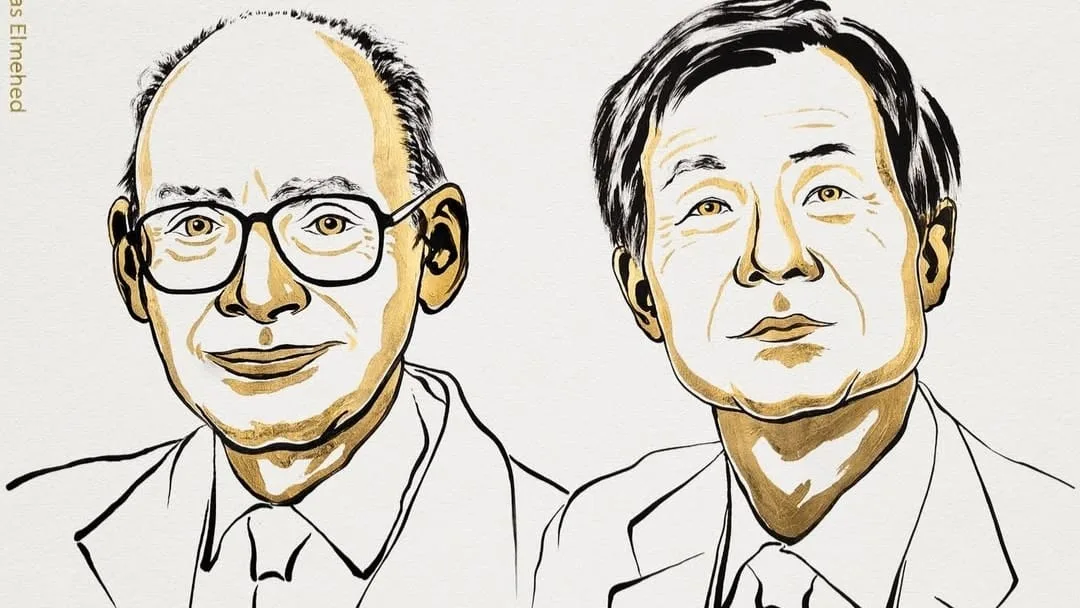
Henri Kagan wins Nobel Prize at 95: Check out his contributions to chemistry and pharmacy
October 9, 2026
2,834 views
India needs outcome-driven urban policy, says EAC-PM paper

In a groundbreaking paper titled ‘India’s Hidden Urbanisation and its Policy Implications,’ esteemed economist and member of the Economic Advisory Council to the Prime Minister (EAC-PM), Shamika Ravi, along with her consultants Manuj Joshi and Apurv Kumar Mishra, shed light on the critical issue of urbanisation in India. This comprehensive study highlights the necessity for a strategic overhaul in how funds are disbursed under Union schemes, advocating for a model that is closely aligned with the actual needs on the ground. The authors argue that this approach should be complemented by significant reforms in financing, governance, and land use to effectively address the unique challenges posed by rapid urbanisation.
India is witnessing an unprecedented rate of urbanisation, with millions migrating to urban areas each year in search of better opportunities. This phenomenon, often termed as hidden urbanisation, reflects the growth of urban sprawl and informal settlements that are not adequately captured in official statistics. The paper posits that understanding this hidden aspect is crucial for formulating effective policies that can cater to the realities of urban life.
One of the key recommendations of the paper is to link the disbursement of funds under various Union schemes to the specific needs identified at the local level. This approach would require a robust framework for assessing the unique challenges faced by different urban areas. For instance, cities with high rates of informal housing would need targeted financial support to improve infrastructure and housing quality. The paper argues that a more tailored approach to funding can lead to enhanced service delivery and improved living conditions for urban residents.
In addition to linking funds to local needs, the authors emphasize the importance of financing and governance reforms in managing urban growth. Effective urban governance is essential for implementing policies that can adapt to the rapidly changing urban landscape. The authors propose that local governments should be empowered with greater autonomy and resources, enabling them to make decisions that are best suited to their unique contexts. This decentralization can enhance accountability and ensure that urban policies are more responsive to the citizens they serve.
Land reforms are another critical area highlighted in the paper. The authors argue that current land use policies often hinder the development of affordable housing and infrastructure. By reforming land acquisition processes and promoting equitable land use, the government can facilitate better urban planning and development. This, in turn, would help in addressing issues such as housing shortages and inadequate public services, which are prevalent in many urban areas.
The insights provided in this research paper are not only timely but also vital for policymakers who are grappling with the challenges of urbanisation. By adopting a more nuanced understanding of urbanisation in India, the government can create policies that are not only effective but also sustainable in the long term. The paper serves as a clarion call for integrating local needs into the national urban policy framework, thereby ensuring that the benefits of urbanisation are equitably distributed.
As India continues to urbanise at a rapid pace, the recommendations outlined in ‘India’s Hidden Urbanisation and its Policy Implications’ provide a roadmap for effective urban governance and policy-making. The need for a collaborative approach that involves multiple stakeholders—including local governments, civil society, and the private sector—cannot be overstated. By prioritizing financing, governance, and land reforms, India can harness the potential of urbanisation to drive economic growth and improve the quality of life for its citizens. This paper not only underscores the urgency of addressing the challenges posed by urbanisation but also highlights the opportunities that lie ahead for a more inclusive and sustainable urban future.


Loading more news...
You've reached the end of our news feed. Check back later for more updates!