Science
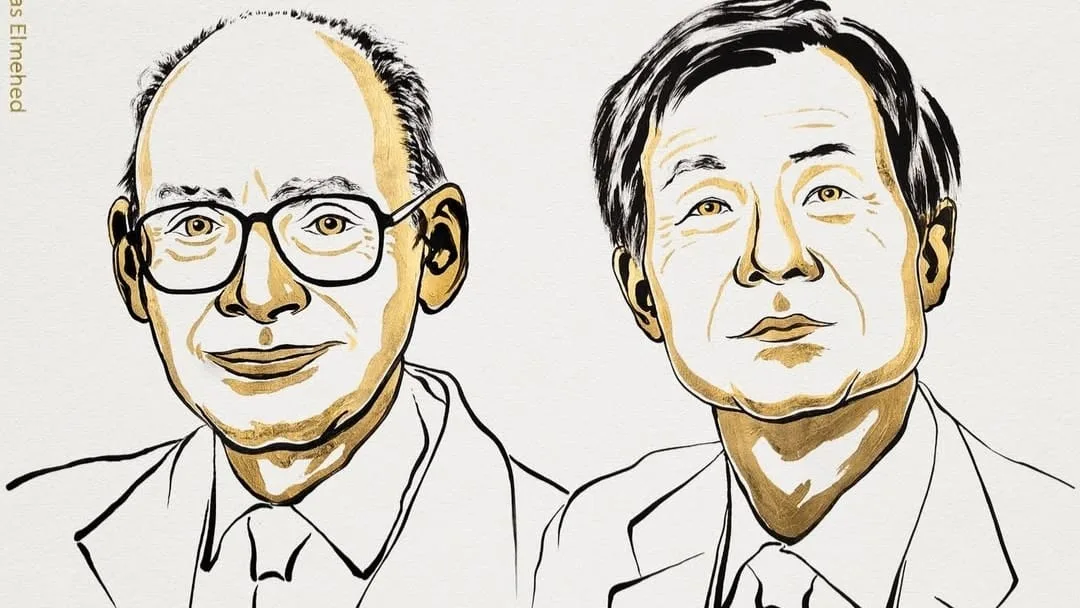
Henri Kagan wins Nobel Prize at 95: Check out his contributions to chemistry and pharmacy
October 9, 2026
2,834 views
India needs outcome-driven urban policy, says EAC-PM paper

In a significant study titled ‘India’s Hidden Urbanisation and its Policy Implications,’ members of the Economic Advisory Council to the Prime Minister (EAC-PM), including Shamika Ravi and her team of consultants, Manuj Joshi and Apurv Kumar Mishra, have shed light on the intricate dynamics of urbanisation in India. This paper emphasizes the necessity of aligning financial disbursements under Union schemes with the actual needs observed in urban areas. It advocates for a robust framework involving financing, governance, and land reforms, which are crucial to managing India's rapid urban growth effectively.
Urbanisation in India has often been discussed in broad strokes, focusing on visible changes such as city expansion and infrastructural development. However, the concept of hidden urbanisation refers to the more subtle transformations occurring in rural areas that are morphing into urban-like environments. This phenomenon is marked by increasing population densities, the migration of individuals seeking economic opportunities, and changes in land use that are not always officially recognized.
The report highlights that a significant portion of India’s population is residing in areas that are not classified as urban but exhibit urban characteristics. This discrepancy poses challenges for policy-makers who rely on traditional metrics to gauge urbanisation levels. As a result, many developmental needs of these areas remain unaddressed, leading to a range of socio-economic issues.
The findings of the paper indicate that current funding mechanisms under Union schemes often do not take into account the unique needs of these hidden urban areas. The authors propose a shift in policy where disbursement of funds is directly linked to the ground realities faced by these communities. This approach is not only pragmatic but also essential for fostering sustainable urban development.
Specifically, the authors suggest the following policy implications:
While the recommendations laid out in the paper are comprehensive, the implementation of these reforms poses several challenges. One of the primary obstacles is the bureaucratic inertia that often hampers swift action. Additionally, there is a need for capacity building among local governments to ensure they are equipped to manage the complexities of urbanisation.
Moreover, ensuring that funds are allocated based on the actual needs of communities requires accurate data collection and analysis, which can be a daunting task in a country as diverse as India. The authors stress the importance of adopting advanced data analytics and technology to inform policy decisions.
The success of these policy recommendations will depend significantly on the collaboration between various stakeholders, including government bodies, private sector players, and civil society organizations. Each of these entities plays a critical role in the development and execution of urban policies that are responsive to the needs of hidden urban areas.
The private sector, for instance, can contribute through investment in infrastructure and services, while civil society can advocate for the rights and needs of marginalized populations. A multi-stakeholder approach is essential for fostering an inclusive urban growth model that benefits all sections of society.
The paper ‘India’s Hidden Urbanisation and its Policy Implications’ serves as a clarion call for rethinking urban policy frameworks in India. By linking financial disbursement to the real needs of urbanising areas and prioritizing governance and land reforms, India can pave the way for sustainable urban development that truly reflects the diverse realities of its population.
As the country continues to grapple with the challenges posed by rapid urbanisation, it is imperative that policy-makers heed the recommendations of this insightful study. Only through a concerted effort can India ensure that its urbanisation journey is not just about growth but also about equitable and sustainable development for all.


Loading more news...
You've reached the end of our news feed. Check back later for more updates!